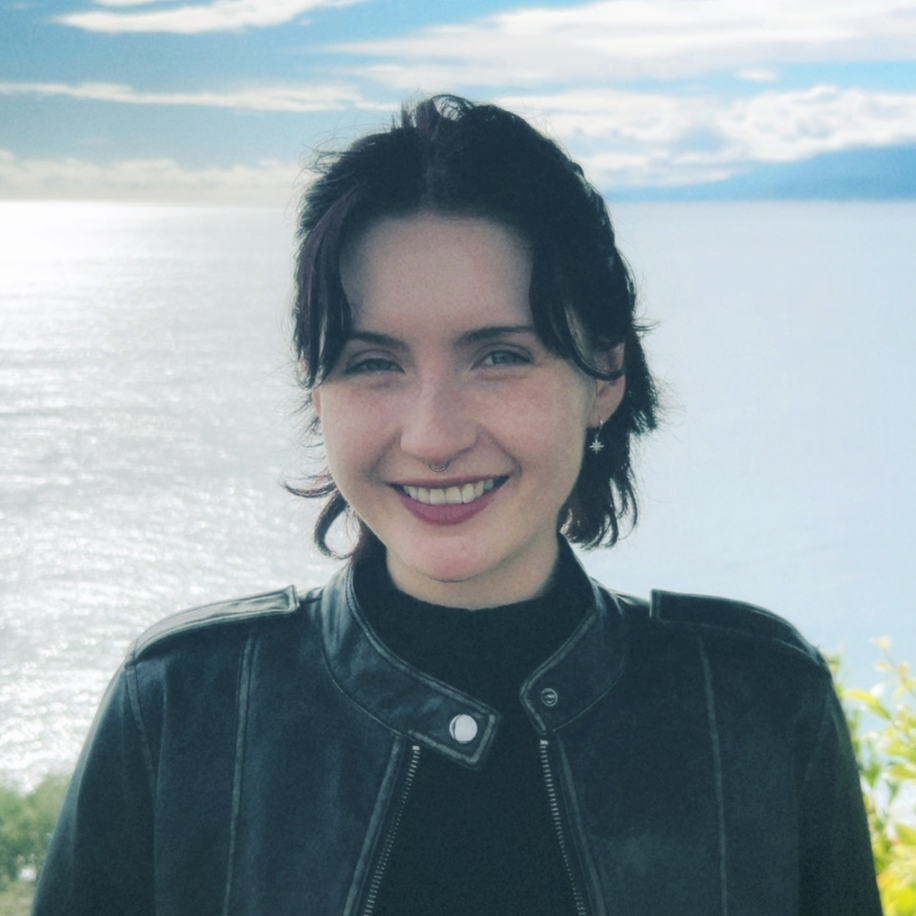
Hello! My name is Lauren Suh and I am a rising sophomore at Columbia University from San Diego, California. I am majoring in Neuroscience and Behavior on the pre-medical track and plan to minor in Music (I play the flute!).
This summer, I will be working at the Columbia University Irving Medical Center under the supervision of Dr. Yousin Suh. My research project delves into ovarian aging, a critical marker of systemic body aging as one of the first organs to exhibit signs of aging. I will be researching whether DNA Helicase B, or HELB, delays or impacts ovarian aging.
I love yoga, running, thrifting, and baking! I am hoping to learn pottery this summer, so please reach out if you would like to join!
Dia dhuit! My name is Seán Radcliffe and I am an Economics student at Trinity College Dublin. Outside of my studies, I am a political campaigner, pro-Palestine activist, and the Housing Rights Officer of my student union. I love to sing, travel, and have a laugh!
This summer, under the academic supervision of Trinity Fellow and Associate Professor Dr. Davide Romelli, I will be conducting research at Trinity College Dublin on the effects of economic conditions, shocks, and crises on cocaine-related harm and deaths in Ireland between 2004 and 2024;
"Reading Between the White Lines: An Investigation into Cocaine-Related Harm in Ireland During Periods of Economic Change and Crisis, 2004-2024."
Using statistical analysis and interviews with experts, policymakers, and activists, my project aims to challenge damaging assumptions around drug addiction and harm in Ireland, particularly narratives that simplistically link economic growth and employment with reduced harm.
Grateful for this opportunity and excited for what lies ahead.
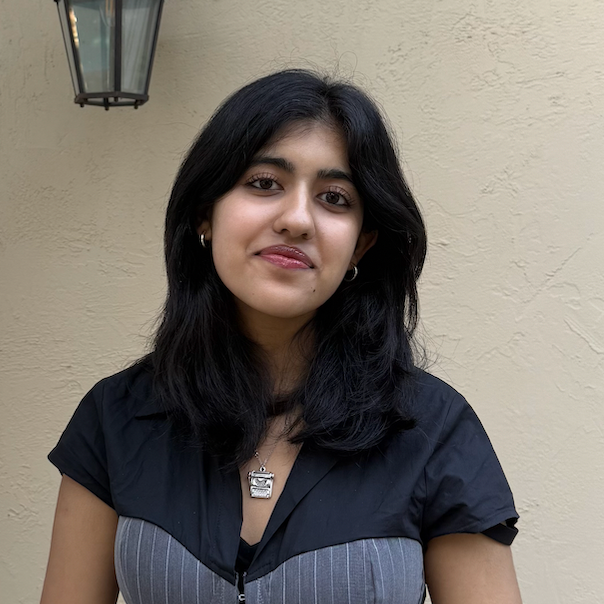
I am interested in the 1960s-70s prisoners' rights movement. In the past, I spent significant time researching the Attica Prison Uprising, the deadliest prison rebellion in the United States. Prison writing was a defining mobilizing force for the incarcerated people at Attica, and I am eager to delve into prison autobiographies in particular this summer as a progressive art form that has challenged literary expectations and engendered a collective voice of incarceration.
Outside of research, I am heavily involved in advocacy and volunteering related to criminal justice.
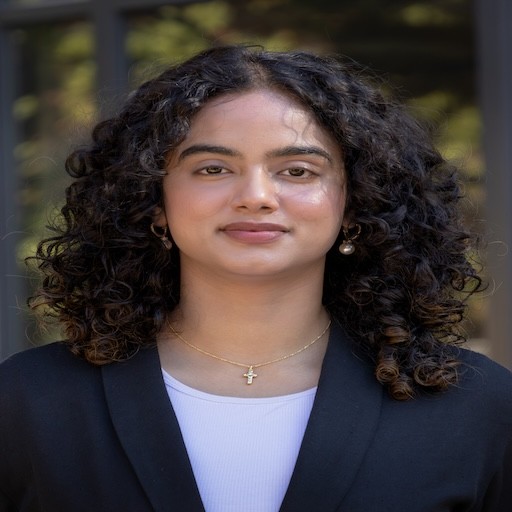
Hi everyone! I am Muskaan, a Laidlaw Scholar from Duke University, and a proud member of the class of 2028. Currently, I am studying Chemistry with minors in Computational Biology and Spanish. I am from Dubai, and spent my childhood growing up in the Middle East. I love learning languages, trying new foods, and spending time outdoors!
I am interested in global health, biochemistry and public policy and particularly how they all intersect! In a world that hosts a multitude of problems, which are often multi-faceted and complex, a call for interdisciplinary, open-minded thinking becomes all the more pertinent. Therefore, it is my goal to bring my views and values to the table, and to encourage others to view challenges through different lenses. Diversity in thinking is essential not only for developing more innovative solutions, but also for ensuring that those solutions are equitable, inclusive, and responsive to the communities they are intended to serve.
Hello there!
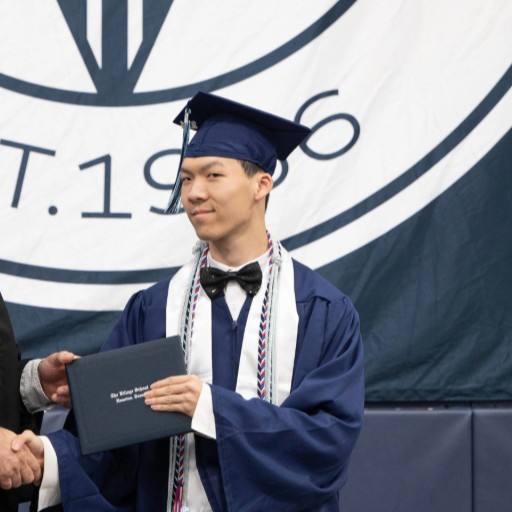
I'm a history major at Columbia University. I spent 14 years as a border-crossing student, living in mainland China and commuting to Hong Kong every day. I spent my high school years in Houston, Texas. My primary focus is transnational Asian history, though I am also broadly interested in philosophy, IR, and political theory.
I spent my freshman year at Rice and transferred to Columbia as a sophomore. I'm currently a rising junior.
I speak English, Mandarin, and Cantonese. I am currently unsuccessfully acquiring Japanese and French.
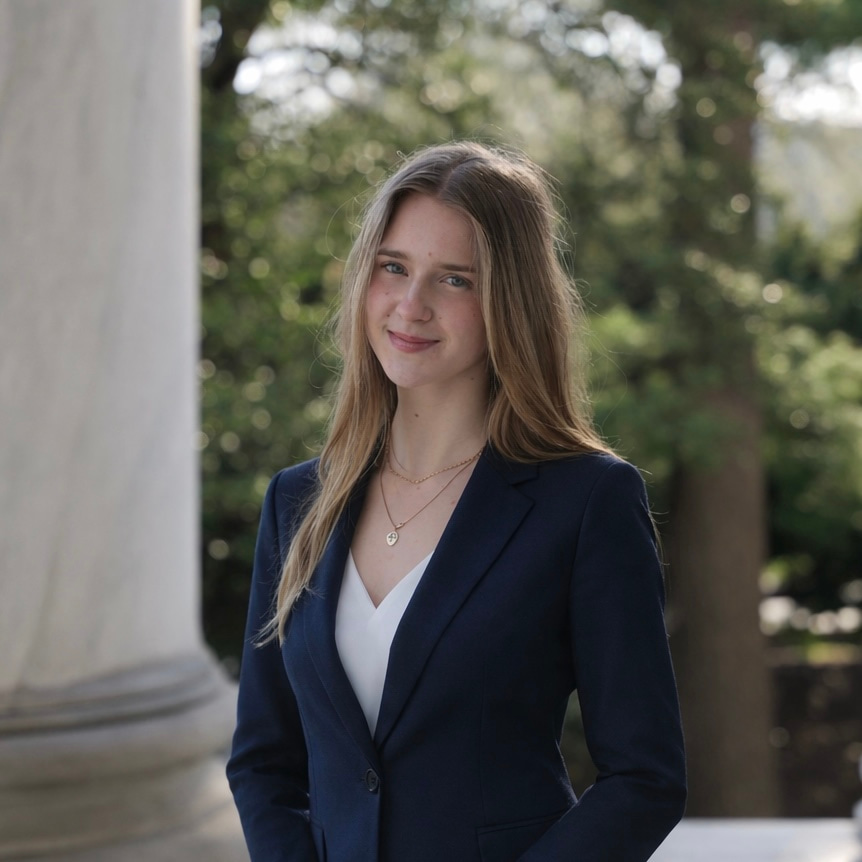
Hi! My name is Ariadna (Arina) Maksin and I'm a rising sophomore at Georgetown University. I currently research and study neurobiology, which stems from my interest in understanding and targeting the biological mechanisms underlying substance addiction (particularly opioid abuse). My Laidlaw project investigates the role of KCC2, a potassium-chloride cotransporter protein, in morphine addiction. I hope to ultimately integrate wet-lab addiction research with both biotherapeutic and public policy fields to create sustainable treatment and prevention strategies for addiction in the US.
Outside of research, I love creative writing (particularly poetry) and I'm hoping to double major in English. I also enjoy dancing – I'm on hiphop and bhangra teams at Georgetown – as well as playing piano, exploring new cuisines, and reading. Feel free to reach out here or at am4981@georgetown.edu!
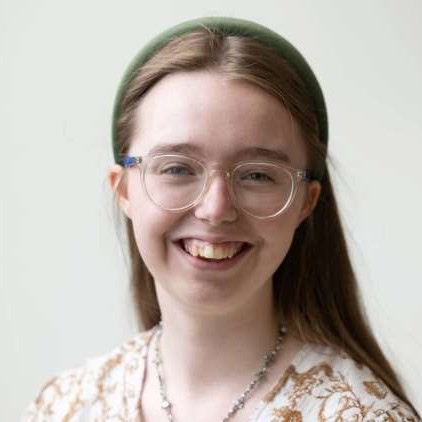
Hi, my name is Sarah McGuire! I am currently studying History and English at Trinity College Dublin and am a member of the 2026 Trinity Laidlaw Scholars cohort.
I am interested in the ways in which literature can be used to construct and convey identity, and in finding ways to interrogate limiting beliefs that influence how we engage with national and cultural identity, gender, and class. With my own background from the North East of Ireland, I believe that it is essential to question the roots of our identities, and more important than ever to push back against exclusionary and arbitrary definitions of who ‘gets’ to identity as Irish.
My Summer 1 research project is entitled ‘This is Your Magazine: Literary Periodicals and Identity in Mid-twentieth century Ireland’, and will focus on short stories published in The Bell Magazine (1940-1954) and what they can tell us about the complexity of Irish identity in this period. This study aims to explore the ways in which people engaged with the literary periodical and short story form as a crucial means of self expression in a period of censorship, and how they wrote back against the dominant ideology which created narrow parameters surrounding the normative portrayal of Irish identity post-partition.
Beyond my research, I love to write short fiction of my own, contribute to college publications as a writer and editor, and read widely on literary, art, and music history.
I would love to connect with fellow scholars, feel free to reach out to discuss research or similar interests!
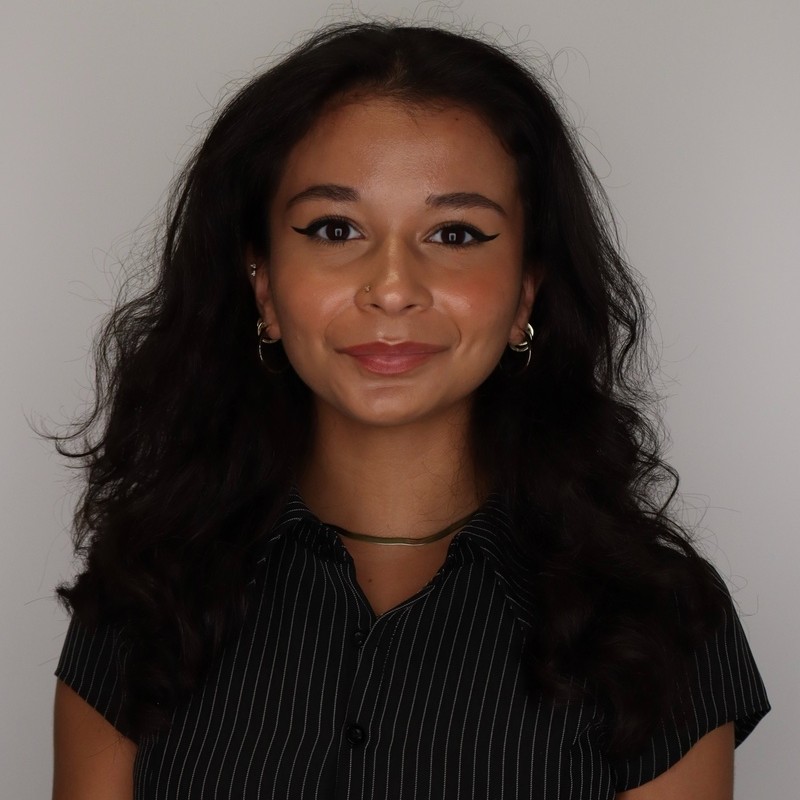
Hi! My name is Izzy and I am a rising sophomore at Columbia University studying Neuroscience and Behavior on a pre-medical track, aspiring to become an emergency room physician or trauma surgeon in the future. Within the last year, I earned my EMT certification and have been involved in various clubs and volunteer activities on and off campus, but am definitely looking for more ways to help the community! I am very excited to be a part of the Laidlaw program and spend the summer in New York. Out of school, I love playing soccer, listening to music, and trying new foods/drinks around the city :) Please reach out if you have any interest/advice for my research this summer or if you just want to make a new friend!

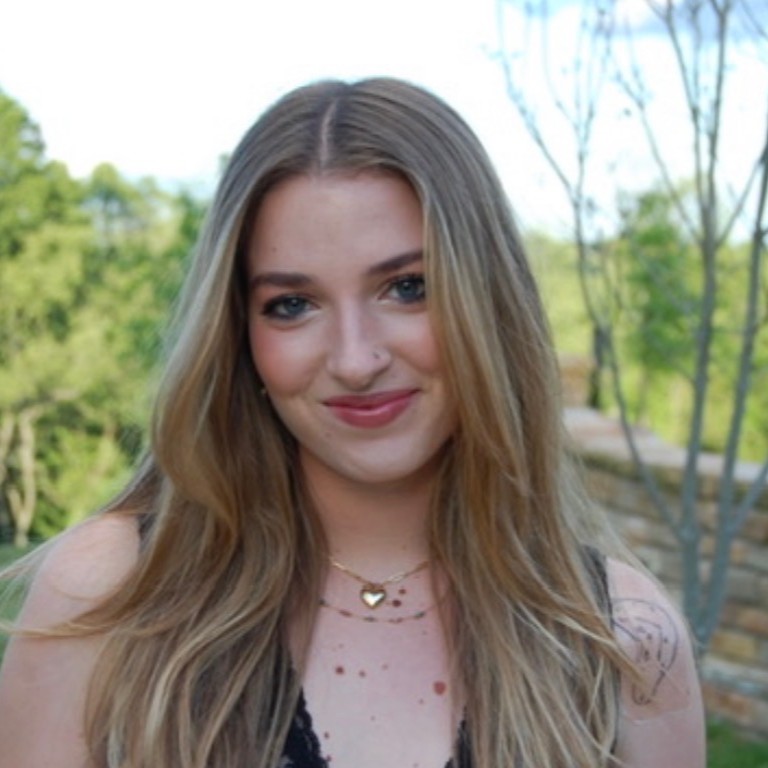
Hi, I’m Isabella! I am a rising third year student at Georgetown University studying American Studies and Women’s and Gender Studies with a research focus on sexual violence, Christian nationalism, and gender policy. I am an educator and advocate for sexual violence prevention at both a cultural and legislative level.
This summer, I will be working with Dr. Nadia Brown and a fellow scholar to understand the occurrence and effects of violence against local-level women politicians. I am particularly interested in the influence of digital abuse involving AI and the effect that sexual harassment has on women’s political participation.
Please feel free to reach out!
Email: ibw9@georgetown.edu
Hi! My name is Daohui and I am a first-year Mathematics and Physics student at Durham University (2026). I look forward to being part of the 2026 cohort with my project about prevention and mitigation strategies of future global outbreaks by simulating and analysing the effects of COVID-19! I am particularly interested in applied mathematics and I believe that as the world becomes more and more interconnected, simulatory data will become increasingly important and impactful on global health. After the recent pandemic, there is undoubtedly still work to do in field of epidemiology, which is what I hope to contribute to.
Hello! My name is Lily and I am a 2nd year Psychology student at Trinity College Dublin, and a member of the Laidlaw Leadership and Research Scholars 2026 Cohort.
I'm interested in all things early adversity; who experiences it, what it looks like, how it affects people and what can be done to help those who have lived through it. More specifically, my research project in Summer 1 will focus on Environmental Sensitivity theory in a cohort of Syrian refugee children in Jordan. My goal with this research is to identify whether interventions may uplift children who have experienced adversity, and actually help them to thrive above and beyond their peers!
I am especially interested in connecting with anyone involved in research into early adversity, Environmental Sensitivity theory or any related topics. I would also love to explore volunteering opportunities in this space!
I am currently the Associate Director and Senior Lecturer of the Common Core, the interdisciplinary curriculum at the University of Hong Kong. As a Principal Fellow of the Higher Education Academy, I am passionate about creative leadership and administration of higher education that expands both students' and teachers' capacities. My research is focused on Education Futures in the university and pre-tertiary context, exploring transdisciplinary learning, innovative curriculum and pedagogies, international and comparative education, and artificial intelligence in education.
Prior to academia, I worked in business banking, corporate learning and development, and leadership and performance consulting. I also co-founded and led a luxury goods distribution start-up, scaling it into a HK$300 million turnover business upon exit.
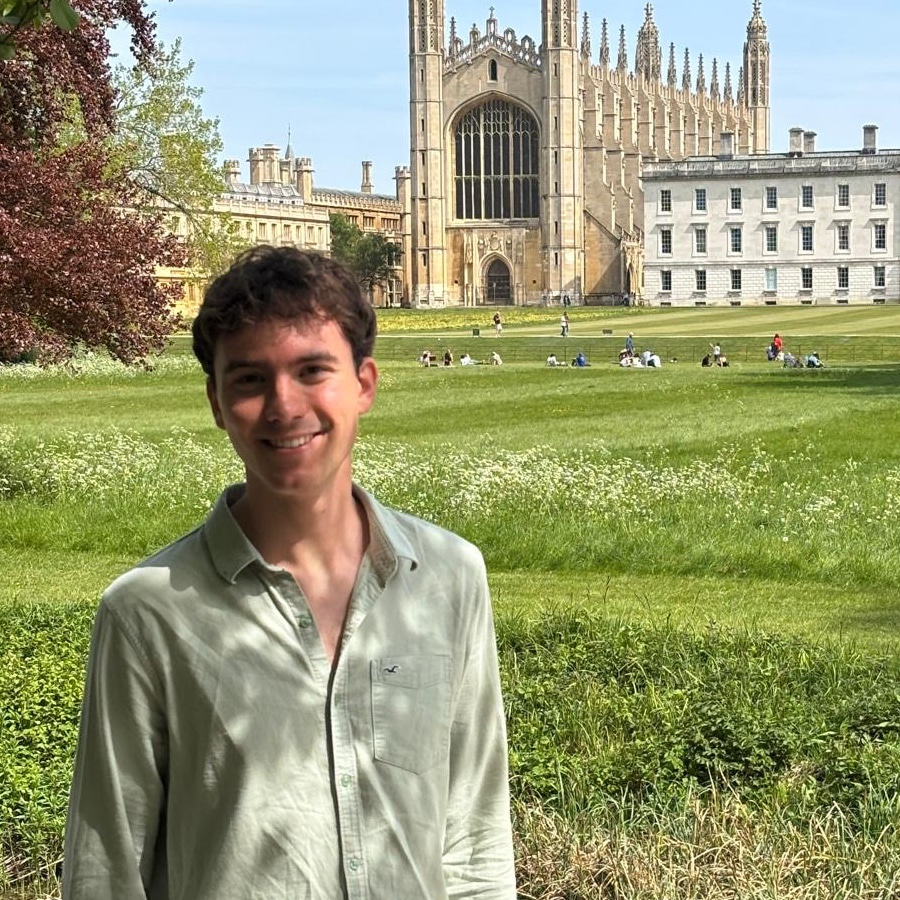
After a year of studying English Literature at the University of Cambridge, I have recently changed degree to History of Art. I undertook my LiA project at Cambridge Junction, a charity, social enterprise and leading cultural venue in Cambridge, UK.
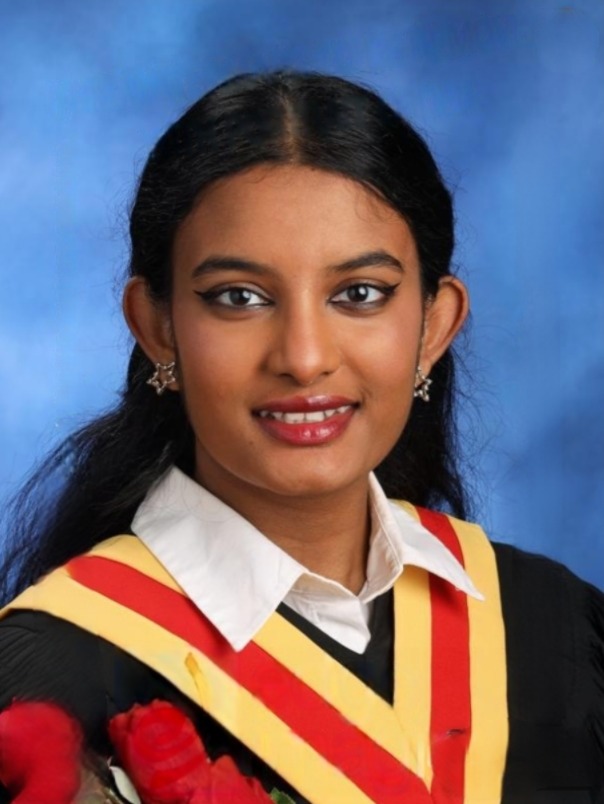
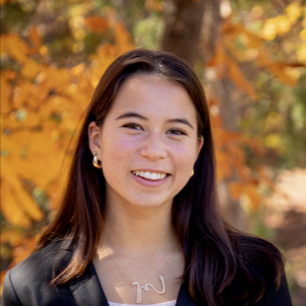
Hi! My name is Mai Malesky, and I am a rising second-year student from Durham, NC, planning to double-major in Political Science and Economics. I am passionate about the interdisciplinary field of Behavioral Sciences, especially its capacity to explore why voters become apathetic, how authoritarian regimes emerge, and how disenfranchised citizens can resist political exploitation. My commitment to public service and civic engagement is inspired by my experience working with grassroots organizations in my local community. These experiences allowed me to see firsthand the power of grassroots action to create change. I am excited to be a part of the Laidlaw Scholars Program and to join fellow students devoted to ethical leadership and service, working to make a difference on a local, national, and global scale.
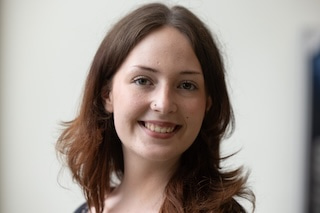
Hello! My name is Lilly Heffernan and I'm a 2026 Laidlaw Scholar from Trinity College Dublin. I'm interested in the way in which human effects on animal behaviour influence their disease spread. 75% of emerging diseases are coming from animals, and I believe that we can manage this in an effective and humane way.
I'm exploring this topic by investigating how artificial light changes how bats use space, and stresses their immune systems. I suspect that artificial light negatively impacts bat immunity, making them more likely to spread disease. This may be a reason we are seeing more human pathogens which originate from bats, such as SARS-CoV-2, and Ebola virus.
I strongly believe that we can curb the spread of these diseases by understanding how our behaviour is affecting our ecosystem. We cannot have healthy humans without healthy animals. This approach targets new pathogens before they spread to humans. If we focus on this angle, we can prevent the inefficient and cruel practice of culling sick animals for our own benefit.
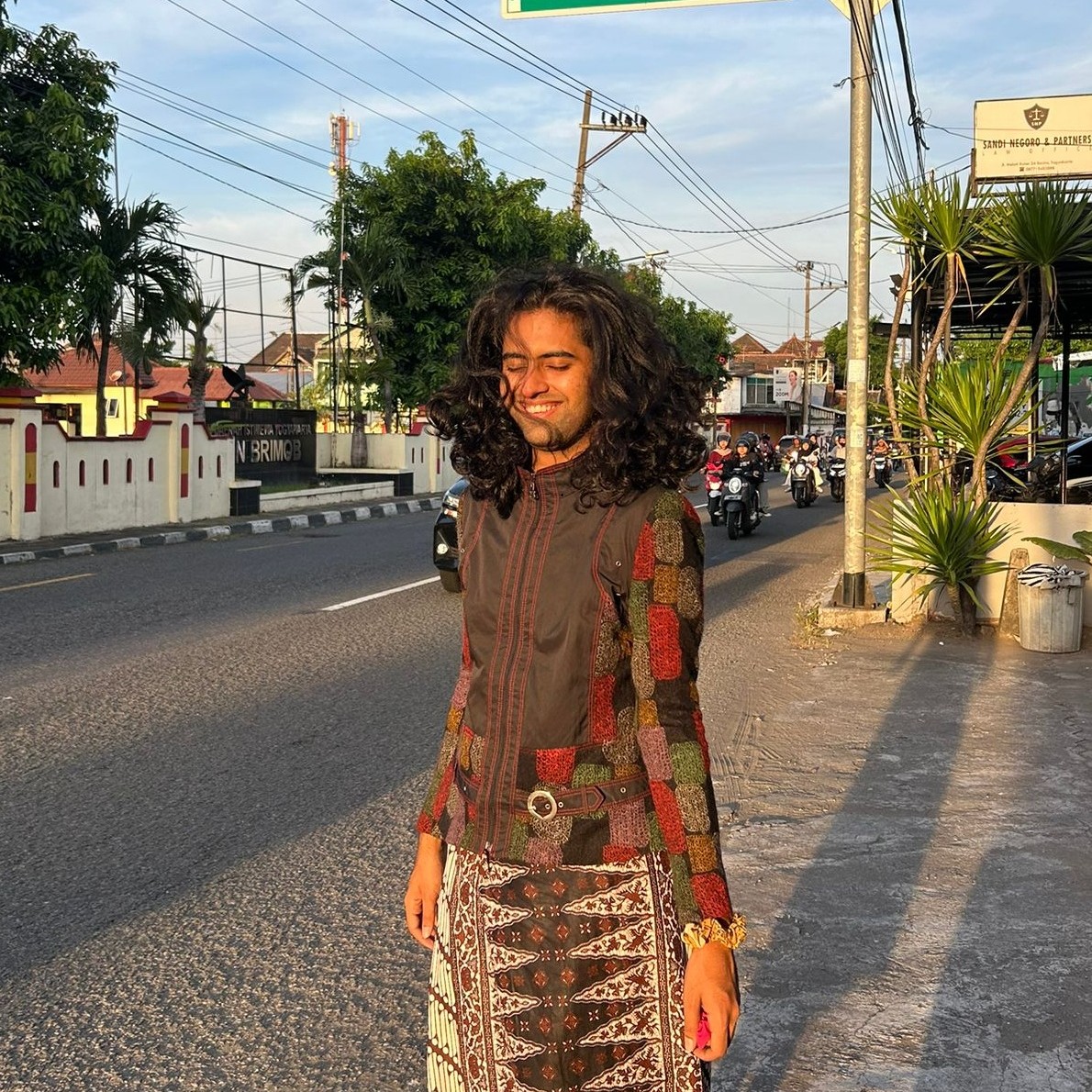
I'm entering my second year at HKU this fall. It wasn't until now that I have somewhat solidified my interests to be at the intersection of Sustainability, Conservation, and Urban Planning of Asian Cities.
Before joining uni, I took over three gap years working around the world and reflecting on my many identities. My work has spanned across Edtech, Heritage Conservation, Food Security, Nature Conservation, Policy Analysis, and Social Impact Sectors across the Global South.
Beyond my work and research, I love to listen to music produced during from the 60s to 80s in anywhere around the world. I also love doing crafts as it notoriously saves me from supposed doomscrolling on Instagram. Also, I am secretly considering to debut as a private chef someday... who knows!?