The Brave Series: Laidlaw Scholar Stories - Major Richmond
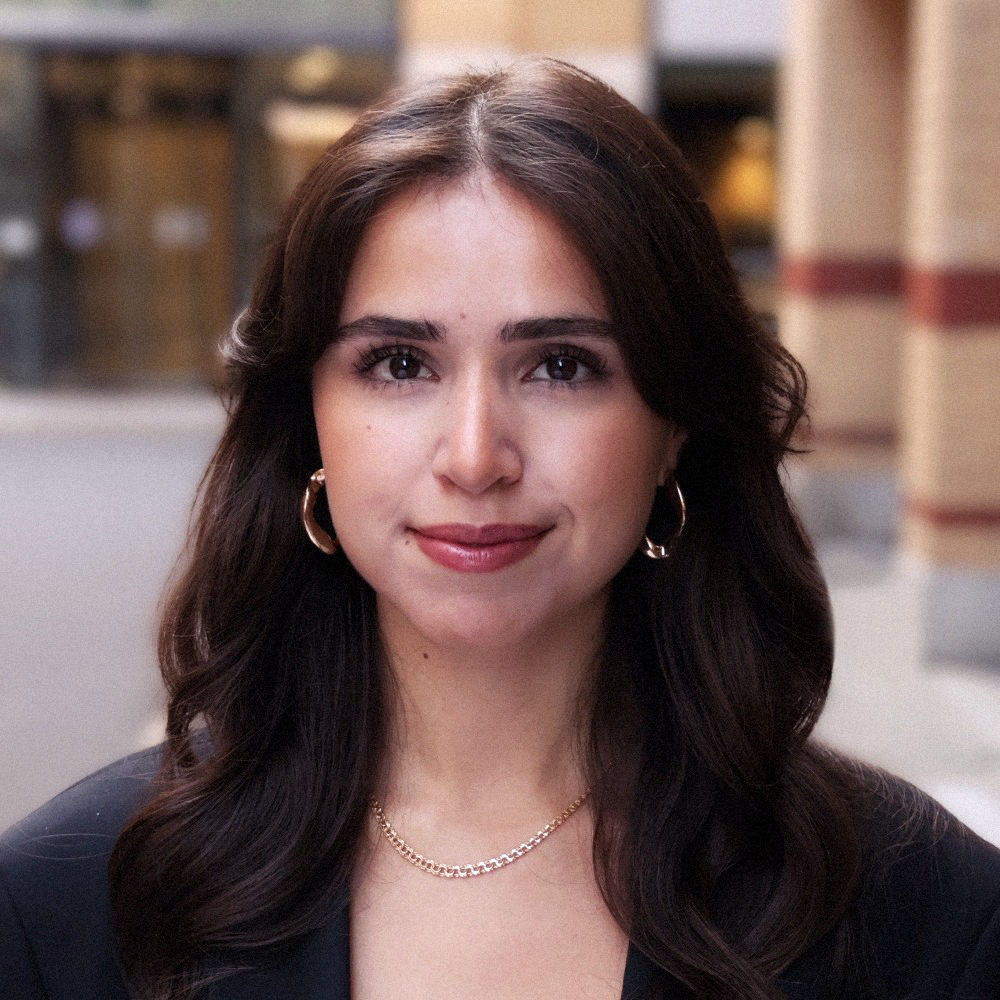

Following the inspiring gatherings at our Laidlaw Global Conferences, we continue to share how scholars worldwide embody the Laidlaw value of brave in leadership and research. In a world that demands bold solutions to complex challenges, these reflections reveal how courage shapes not just individual journeys, but entire communities of change makers who dare to step beyond their comfort zones.
In this spotlight, Major Richmond, a Laidlaw Scholar at Duke University, explores bravery as both a collective and strategic endeavor. He reflects on challenging institutional power structures for environmental accountability and on the courage required to build coalitions for change. His insights reveal how meaningful progress often depends not just on bold ideas, but on gathering the right people, fostering strong team culture, and navigating the delicate balance between pushing for change and building sustainable support.
Collective bravery: Bravery can mean challenging the status quo for the sake of progress. When have you witnessed or taken part in a collective act of courage that aimed to create positive change?
I’m a huge Duke fan. Our academics, culture, basketball, and food are all spectacular. The administration claims to be sustainable, yet it can not be truly sustainable without transparency. On the Duke Student Government’s Services and Sustainability committee, I am currently working with other student organizations to fight Duke’s investment in fossil fuels and urge administrators to release documentation detailing the environmental impact of residential buildings on campus. Duke University’s Climate Commitment leads sustainability and environmental conservation in higher education, yet the administration hides this dormitory data. I frequently turn off leftover lights in common spaces and ask friends to shut the faucet while brushing their teeth. Unfortunately, my peers are clueless of their impact. Despite the recent developments in the role and cost of academic institutions, the status quo is for students and community members to fall victim to adverse policies without protest. When we do propose a new prioritization of communication, it’s nerve-wracking and courageous. How do we entice the university to give us what we want? How do we push without serious consequences? How do we rally the student body together? I look forward to producing a tangible outcome for the Duke community.
Future-facing bravery: What advice would you give to someone who feels afraid to pursue a bold idea or take a risk?
While I’d love to say push through and try anyway, I realize it’s not that easy. My advice would be to get people talking. Not having enough support behind your idea or risk is a valid fear, but chances are, others in a similar realm of interest have had a similar idea. Implementing an idea feels less daunting as a group endeavor. Chances are, the more members on your team, the more connections and knowledge you have available to help reach the goal. Another piece of advice is to keep this team tight. An organization can have an overload of members. Your mission may become convoluted and individuals may lose interest when they are one of too many. Gather a team, and ensure the team’s culture and mission are solid before you act.