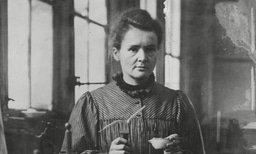
Scholar Spotlight - Diya Asawa

Discover more Scholar Spotlights.

Research Title:
Developing Child-Friendly Antiemetic Medicines for Patients with Chronic Conditions
Please briefly outline what your research is about, and its potential real world impact
My Laidlaw research project investigates the biopsychosocial impact of chemotherapy-induced nausea and vomiting (CINV) on paediatric cancer patients and their families. Working under the mentorship of Dr Karolina Dziemidowicz and Dr Catherine Tuleu at the UCL School of Pharmacy, my project centred on understanding how severe sickness, often triggered by chemotherapy drugs like methotrexate, affects children’s daily lives, treatment experiences, and their long-term wellbeing. A key focus of this research was the role of medication palatability: factors such as taste, dosage form, and administration method can not only influence a child’s willingness to take antiemetics but can also exacerbate vomiting, contribute to complications like neutropenia, and negatively impact cancer treatment outcomes.
To explore these issues, I designed and conducted semi-structured interviews with the parents of paediatric patients at Great Ormond Street Hospital, London. These conversations provided deeply personal insights into CINV severity, current coping strategies, treatment experiences and expectations, and dosage form preferences. The long-term aim of the project is to investigate whether alternative formulations, particularly orodispersible films (ODFs), could improve drug palatability, adherence, and overall patient wellbeing.
Alongside this research, I organised a two-day patient outreach programme at Great Ormond Street Hospital to gather insights on current medications and explore whether there was an unmet need for new formulations. To engage young patients, I designed interactive, child-friendly experiments showcasing novel dosage forms and created an educational comic book, distributing over 200 copies to cancer patients. These outreach initiatives revealed how even small improvements in taste or texture can meaningfully enhance a child’s experience of medication. Most importantly, I discovered that placing patients at the heart of cancer research is both an ethical choice and a crucial driver of meaningful scientific progress.
Where did your passion for this research originate? How does your personal story feed into it?
My passion for this research grew from my interest in storytelling and the belief that narratives shape how we understand illness, healing, and personal experiences. I have always loved writing, through journalism, creative projects, and community work, and I became fascinated by how people make sense of their most difficult experiences through stories. Volunteering online with a healthcare charity during the pandemic deepened this interest, as I saw how vulnerable individuals, especially elderly patients, could use conversation, art, and narrative to express their concerns and fears in a manner that treatments alone could not address. A more personal influence came from a close childhood friend who spent years managing epilepsy. Watching her navigate hospitals and medical procedures at such a young age made me more aware of how isolating illness can feel for children, and how much they rely on their families and clinicians to listen, explain, and make treatments feel less overwhelming. These personal experiences motivated me to pursue patient-centred research, exploring not just clinical outcomes, but also the emotional and practical struggles of treatment, and how new scientific innovations can make a meaningful difference in treatment experience.
What is the most memorable moment from your Laidlaw scholarship experience so far?
One of the most memorable moments from my Laidlaw journey was my Leadership-in-Action project in Mumbai, where I volunteered with Teach For India for six weeks. I worked with a Grade 3 classroom of 40 underprivileged students, supporting lessons in Maths and English while helping children with foundational skills like reading, problem-solving, and grammar. Initially, engaging the students and tailoring lessons according to their individual needs was challenging, but I soon learned to experiment with different teaching methods, incorporating storytelling, props, and interactive activities to make lessons more engaging. Despite the children facing significant challenges in their home environment, I was deeply moved to see the kindness, enthusiasm, and curiosity that they brought to the classroom. Despite having very little to eat, many of them would excitedly offer me their lunch, and one of the students even gifted me a beautiful drawing as a ‘thank you’ present, which left a lasting impression on me and reflected the warmth that these students brought to the classroom. It was incredibly moving to witness the depth of emotion and thoughtfulness in these children, especially given their young age, and volunteering with them was one of the most fulfilling moments from my Laidlaw journey.
What is the biggest challenge you came across in your research and leadership journeys so far, and what did you learn from it?
One of the biggest challenges I came across during my Laidlaw research was learning how to balance empathy with emotional resilience while working with paediatric patients at Great Ormond Street Hospital. For instance, during the hospital outreach programme, I spoke with a young girl who described her sister’s life-threatening condition. Listening to her talk about her fears was deeply moving, and her words reminded me that chronic diseases not only disrupt every aspect of a patient’s life but also impact the wider family. I also heard from parents about the profound impact of cancer; for instance, one mother shared that her child had missed an entire year of school due to chemotherapy side effects, while others described how difficult it was to put on a brave face in front of their child and manage treatment uncertainties. Coping with financial strain was another key challenge; one of the clinicians informed me about a family where both parents had quit their jobs to provide full-time care for their sick child. These experiences taught me the importance of responding thoughtfully to patients’ stories and providing a safe space for them to discuss sensitive issues.
What does it mean for you to be a Laidlaw Scholar?
For me, being a Laidlaw Scholar represents a commitment to both learning and social impact, as well as the unique opportunity to observe how research translates into real-world situations. The residential workshops, the Oxford Ethical Leadership programme, and the annual conference in Leeds were all incredible ways to connect with fellow Laidlaw Scholars from UCL and each of the partner universities while developing a deeper understanding of meaningful research and leadership. It was especially inspiring to see the unique perspectives that everyone brought to their own research, and I’m grateful to be part of such a vibrant, research-driven community. The programme has definitely been one of the highlights of my university experience!
Which particular leaders inspire you the most and why?
Jennifer Doudna and Emmanuelle Charpentier inspire me because they turned fundamental bacterial research into a tool with incredible real-world impact. Their development of the CRISPR-Cas9 gene-editing technology, for which they earned the 2020 Nobel Prize in Chemistry, has transformed medicine and become a widely used tool in laboratories worldwide. Researchers now rely on CRISPR to precisely edit genes, investigate disease mechanisms through in vitro and in vivo models, and develop potential therapies, which has significantly accelerated the process of scientific discovery.
Briefly describe a scene from the future you are striving to create.
The future I am striving to create is one where access to quality healthcare is equitable and treatments are informed by the latest scientific advances. Individuals would receive timely treatment regardless of their socioeconomic background or geography. I imagine communities where individuals not only receive appropriate medical care but also benefit from preventative guidance on nutrition, mental wellbeing, and health management. Scientific advances, such as gene therapies, early diagnostic strategies, and personalised medicine would be integrated into everyday healthcare practice, enabling treatments that are tailored to each patient’s individual biology. Centralised, secure access to patient datasets would allow clinicians and researchers to make quicker data-driven decisions, improving health outcomes. People would be better informed and empowered to manage their health more successfully.
Quick Fire Questions
📺 Currently Binging:

📚 My top book recommendation:
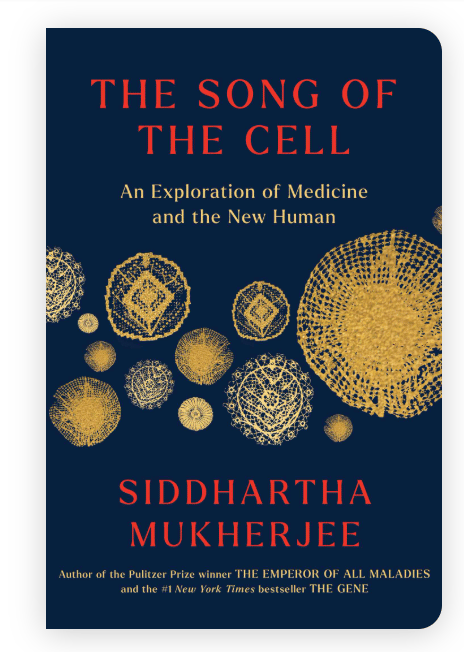
The Song of the Cell – Siddhartha Mukherjee
🎶 My anthem:
Billy Joel - Vienna (Official Video)
🎶 Current Podcast Obsession:

🌈 Something that made me feel joy recently:
Seeing the Christmas lights around London!
📬 Check out Diya's bioscience newsletter:
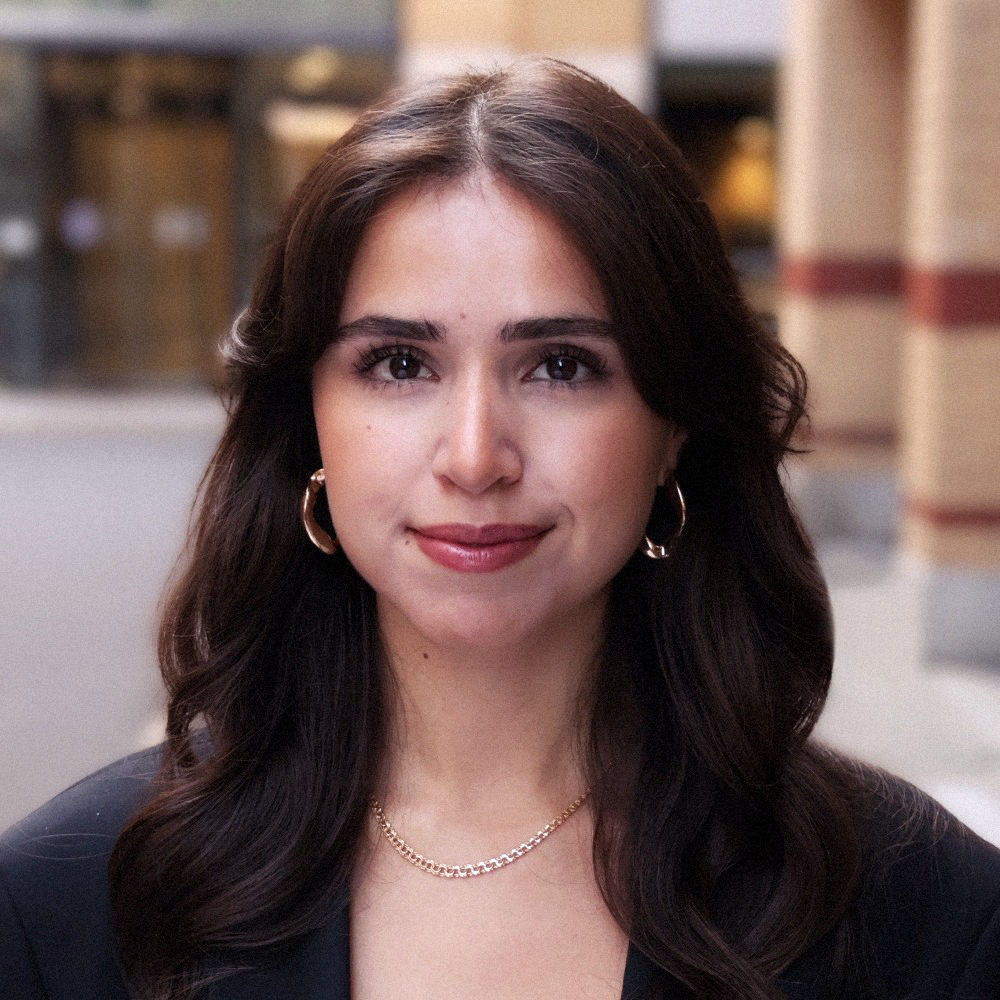
Hi! I'm Amanda, a third year Neuroscience student and Laidlaw alum from UCL. I'm Swedish-Persian and grew up in Sweden before moving to London for uni. These days, alongside my studies, I work for the Foundation as a Marketing Assistant.
For my first year research project, I worked on optimising alginate hydrogels for 3D astrocyte culture systems. In simpler terms, I was figuring out the best way to prepare a jelly-like scaffolds so that star-shaped brain cells called astrocytes could grow in three dimensions rather than flat on a dish. This matters because 3D environments mimic the brain more realistically, which could help researchers develop better treatments for neurological disorders!
For my Leadership-in-Action project, I co-created Beyond the Books, a resource designed to help students from underrepresented backgrounds navigate the unwritten rules of university life, from internships and networking to professional opportunities that aren't always obvious if you're the first in your family to go to uni.
Always happy to connect, whether you want to chat about neuroscience, widening access, the Laidlaw experience, or just say hello! One of my favourite things about this community is getting to meet people from different universities and backgrounds, so please do reach out! 🌟