International Women’s Day: Voices That Have Stayed With Us
International Women's Day is an invitation to do more than mark a moment. It asks us to consider what progress actually looks like, who is driving it, and what it still requires. This year, as the International Women's Day campaign calls for reciprocity in opportunity under its theme of "Give To Gain", and UN Women urges rights, justice and action for all women and girls, we have been reflecting on the women whose words have shaped how we think about leadership within the Laidlaw community and beyond.
What follows is a gathering of voices that have stayed with us: from heads of state and global institutions to activists, educators and scholars. Read together, they form something close to a shared argument about what leadership demands, what it costs, and what it makes possible.
The Scale of What Remains 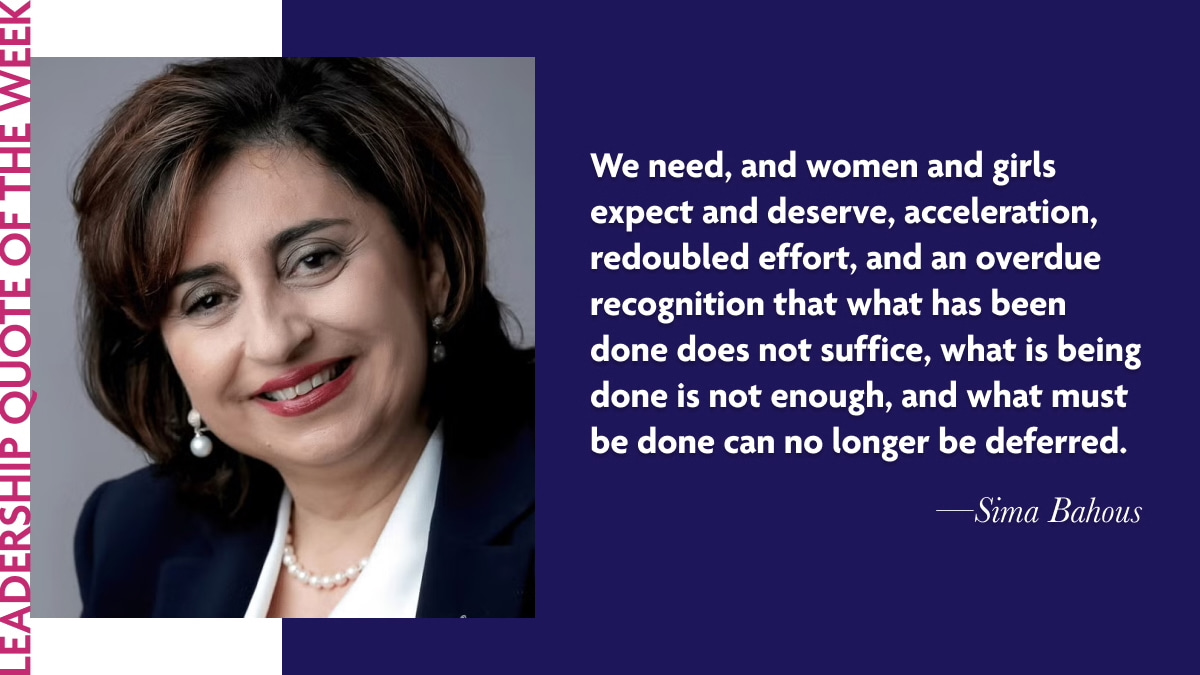
We begin where any honest account of this day must: with the scale of what remains undone. Sima Bahous, Executive Director of UN Women, does not offer consolation. She offers a reckoning.
 "We need, and women and girls expect and deserve, acceleration, redoubled effort, and an overdue recognition that what has been done does not suffice, what is being done is not enough, and what must be done can no longer be deferred." Sima Bahous
Her words set the terms for everything that follows. The leaders gathered below are evidence of what becomes possible when people refuse to wait for permission to begin the work that urgency demands.
The Courage To Begin
If Bahous names the scale of what is required, the voices in this section speak to what it takes to act within it, united by a refusal to let scale, seniority or self-doubt become reasons for inaction.
"You are never too small to make a difference." Greta Thunberg
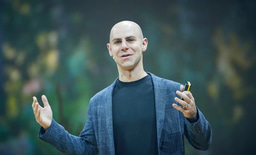
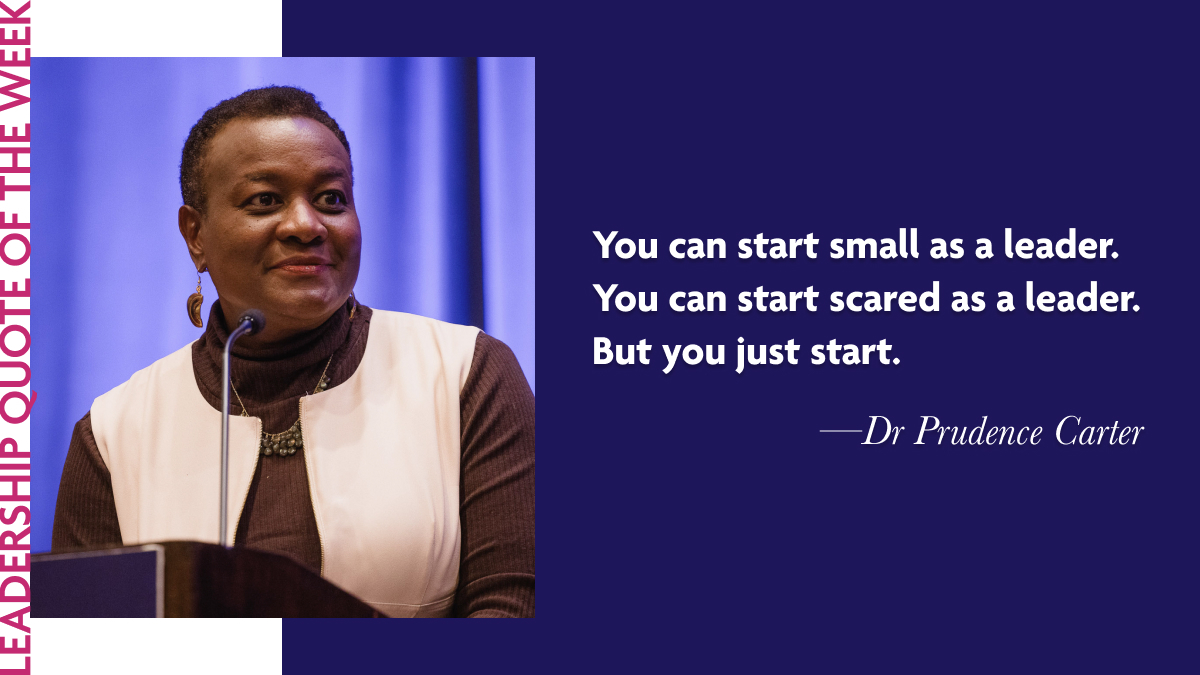
"You can start small as a leader. You can start scared as a leader. But you just start." Dr Prudence Carter
"Don't take a backward step. Don't shy away from taking up space in the world. Don't assume you are too junior or that people are too busy." Ngozi Okonjo-Iweala
"You wait for a seat at the table and you realize you have to create your own table." Alison Buchanan
Thunberg and Carter address the internal threshold: that moment before action when doubt is at its most insistent. Carter's words carry particular resonance for the Laidlaw community. Speaking at Brown University during the Laidlaw Scholars Conference last autumn, she invited scholars to abandon the idea that readiness must arrive fully formed before leadership can begin; her argument was that leadership is constructed through the act of beginning, assembled in motion rather than conferred upon those who have first resolved all uncertainty. Okonjo-Iweala and Buchanan turn to the external threshold: the structures that were not built with certain people in mind, and the decision to stop waiting for those structures to change as a precondition for moving.
A Different Kind of Authority 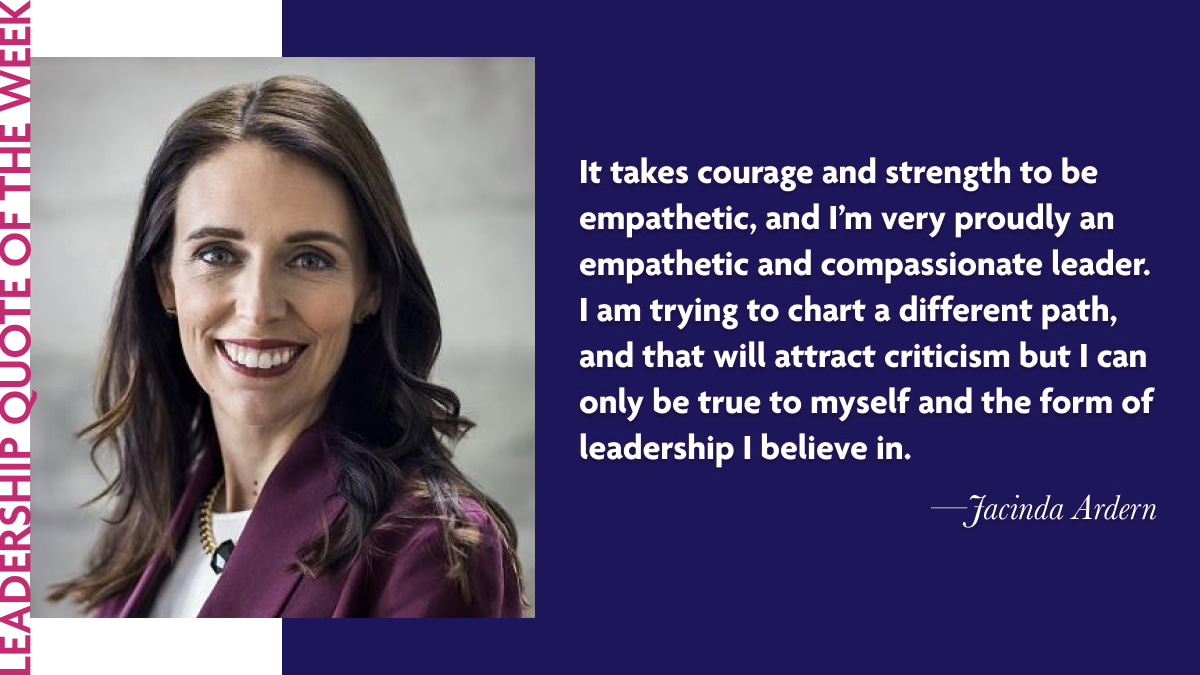
Leadership is not a fixed form, and several of the voices we return to most often are those who have insisted on practising it on their own terms, making the case through their example as much as their words.
"It takes courage and strength to be empathetic, and I'm very proudly an empathetic and compassionate leader. I am trying to chart a different path, and that will attract criticism but I can only be true to myself and the form of leadership I believe in." Jacinda Ardern
"The best leaders not only create their vision, but also inspire others toward action." Mia Mottley
Ardern's words carry a quiet provocation: that empathy is among the more demanding forms leadership can take, requiring both conviction and a willingness to absorb the criticism that tends to follow those who practise it openly. Mottley extends the argument; vision without the capacity to draw others into motion remains incomplete, however clearly it is articulated. Together they make the case that authority exercised on one's own terms, grounded in who you are rather than in what convention expects, is a more exacting version of leadership, one that asks more of the person who practises it precisely because it cannot rely on the ready-made authority of precedent.
Collective Resilience and What We Leave Behind
The final group of voices turns outward, towards those around us and those who will follow. They speak to solidarity, to the reasonable scope of what one person can offer, and to the question of what our efforts leave in their wake.
"The challenges women face across the world are similar; however, the creativity they demonstrate in overcoming these barriers, the resilience they have nurtured and their sisterhood are inspiring and educational." Anne-Valérie Corboz, with Shaheena Janjuha-Jivraj and Delphine Mourot-Haxaire
"I am only one, but still I am one. I cannot do everything, but still I can do something. And because I cannot do everything, I will not refuse to do the something that I can do." Helen Keller
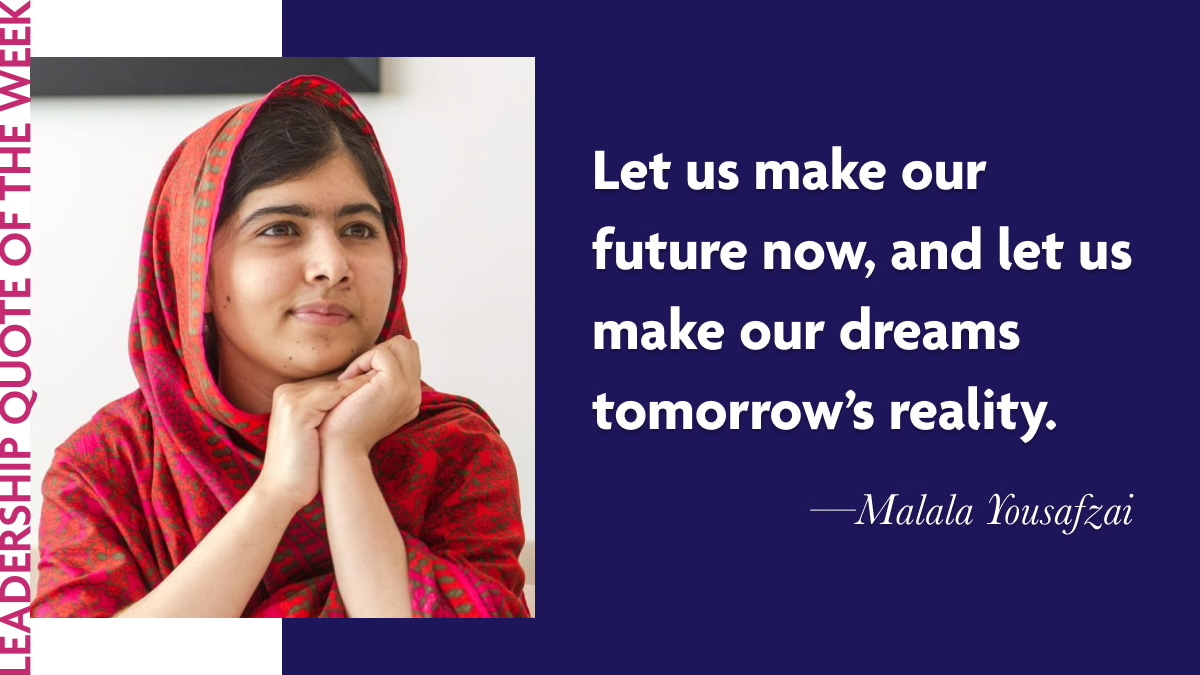
"Let us make our future now, and let us make our dreams tomorrow's reality." Malala Yousafzai
"Memories of our lives, of our works and our deeds will continue in others." Rosa Parks
Corboz and her co-authors name something that individual achievement rarely captures: that the shared experience of navigating barriers generates its own form of knowledge, collective in nature and cumulative over time. Keller offers the counterweight to overwhelm that anyone working on a problem of real scale eventually needs: the permission to do something incomplete and still call it worthwhile. Malala turns that same energy forward, towards a future that is made rather than merely awaited. And Parks, whose life constituted its own sustained argument about the long reach of principled action, brings the collection to rest on a note that is less consolatory than clarifying: what we do persists in others, and it is in that continuity that the meaning of the work resides.
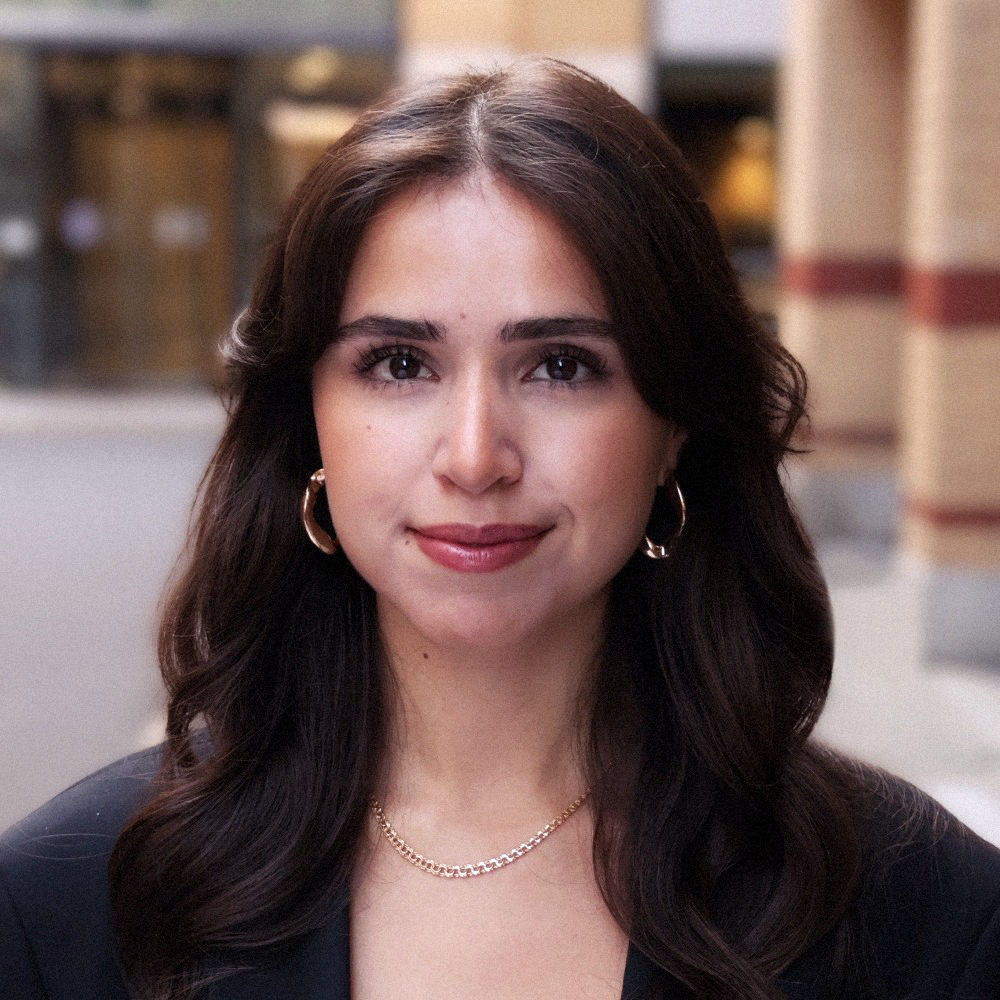
Hi! I'm Amanda, a third year Neuroscience student and Laidlaw alum from UCL. I'm Swedish-Persian and grew up in Sweden before moving to London for uni. These days, alongside my studies, I work for the Foundation as a Marketing Assistant.
For my first year research project, I worked on optimising alginate hydrogels for 3D astrocyte culture systems. In simpler terms, I was figuring out the best way to prepare a jelly-like scaffolds so that star-shaped brain cells called astrocytes could grow in three dimensions rather than flat on a dish. This matters because 3D environments mimic the brain more realistically, which could help researchers develop better treatments for neurological disorders!
For my Leadership-in-Action project, I co-created Beyond the Books, a resource designed to help students from underrepresented backgrounds navigate the unwritten rules of university life, from internships and networking to professional opportunities that aren't always obvious if you're the first in your family to go to uni.
Always happy to connect, whether you want to chat about neuroscience, widening access, the Laidlaw experience, or just say hello! One of my favourite things about this community is getting to meet people from different universities and backgrounds, so please do reach out! 🌟