Project Outline: Rewilding and Reconnecting Durham University Estate
Background
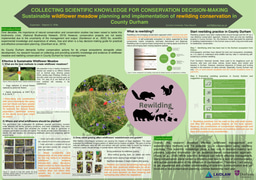
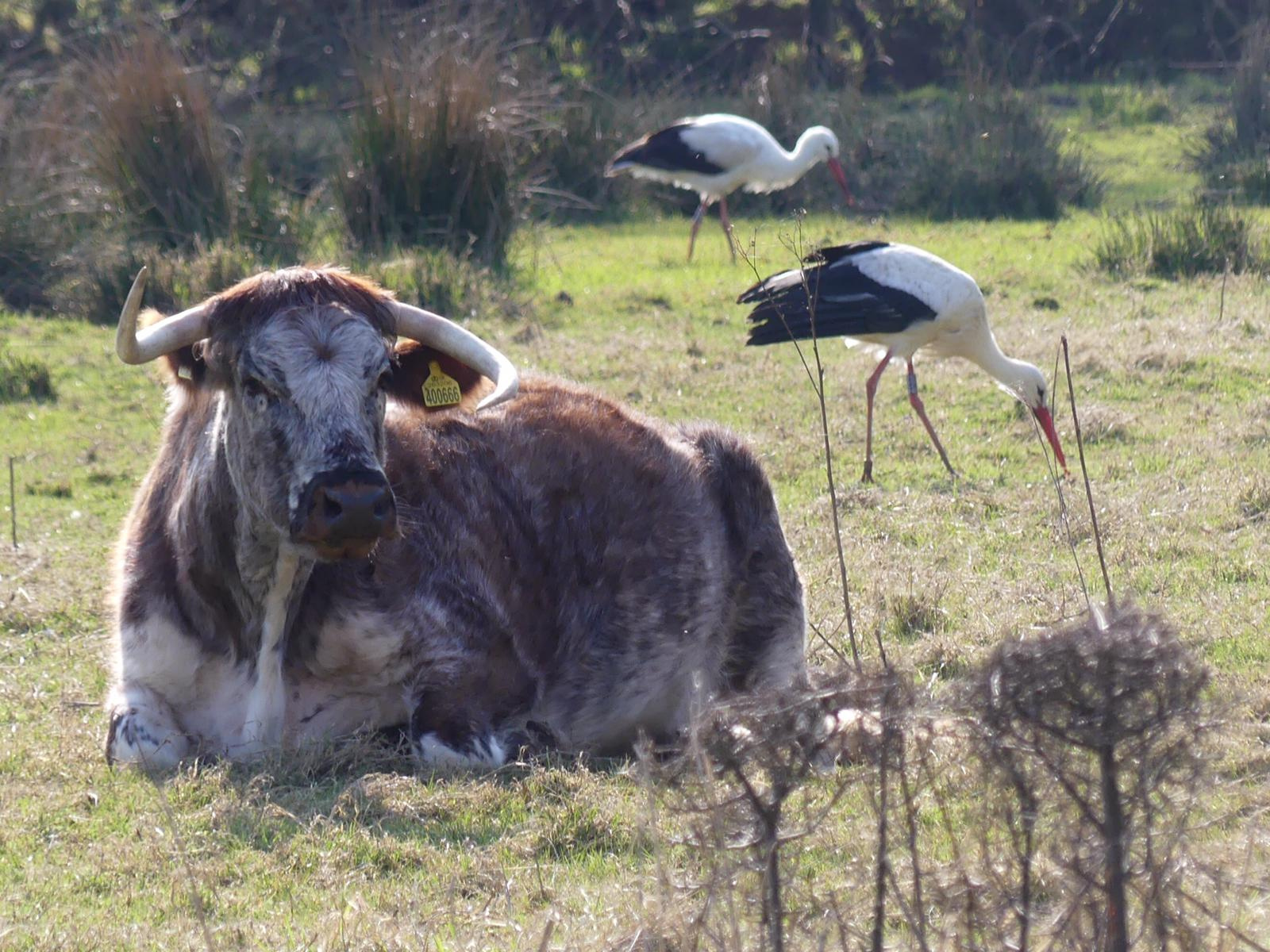
Biodiversity has declined sharply, and the consequence of this crisis has a significant impact on ecosystems as well as society. Rewilding is a powerful conservation approach for biodiversity conservation because it aims to restore self-sustainable ecosystems with limited human intervention.
Therefore, this research process aims to create and evaluate the implementation of rewilding conservation in Durham University wildland utilising the local species records and resources. Also, this project is going to collaborate with Botanic Garden to translocate locally extinct plant species and observe the impacts on the local ecosystem. This project will align with Durham University Biodiversity Net Gain Strategy by 2032 and be a potential case study for developing rewilding conservation field. Working with the university biodiversity teams and local stakeholders, this study aims to provide kickstarts for rewilding in the university’s wildland.
Methodology
Firstly, desk and field-based research will be undertaken to explore the potential for reintroducing species that have gone locally extinct to the site, and the regional and national occurrence of such species. It will involve collecting and analysing historical records from Durham Council and Durham University historians. Also, using secondary resources and primary field records, the research will also explore how rewilding principles could be adopted on-site.
Secondly, experimental work will be undertaken, in collaboration with the University Botanic Garden to explore methods to grow individual plant species that are either locally extinct or endangered to increase their local populations. This will be a kickstart of rewilding project and it will allow us to analyse the impact of local species in the ecosystems.
Further details are posted in my previous post.

Hello! I am Yuka Atsuchi. I am from Japan and studying Natural Sciences (Biosciences, Geography and Earth Sciences) at Durham University.
My strong passion is to create a more sustainable environment for both humans and wildlife. I am specialising in environmental issues and climate change through interdisciplinary approaches in Natural Sciences with strong research and field skills from work experience.
My main focus in research and future aspiration is "empirical and effective implementation of rewilding conservation projects to various landscapes". For my first-year summer project, I am going to evaluate and create a plan for Durham University Wildland to initiate reintroduction projects. Then I would like to spread the knowledge and conservation practices to other countries such as Japan.
About myself...
I was bone in Japan and I lived in Yokohama until High School in Japan. After winning a scholarship from the Japanese Foundation, I started studying in the UK in sixth-form.
I am a big fun of wildlife and adventure to wider nature! I enjoy trail running, bird watching, gardening & Allotment, hiking and horse riding.
I would like to expand my network and share thoughts with you! LinkedIn Yuka Atsuchi