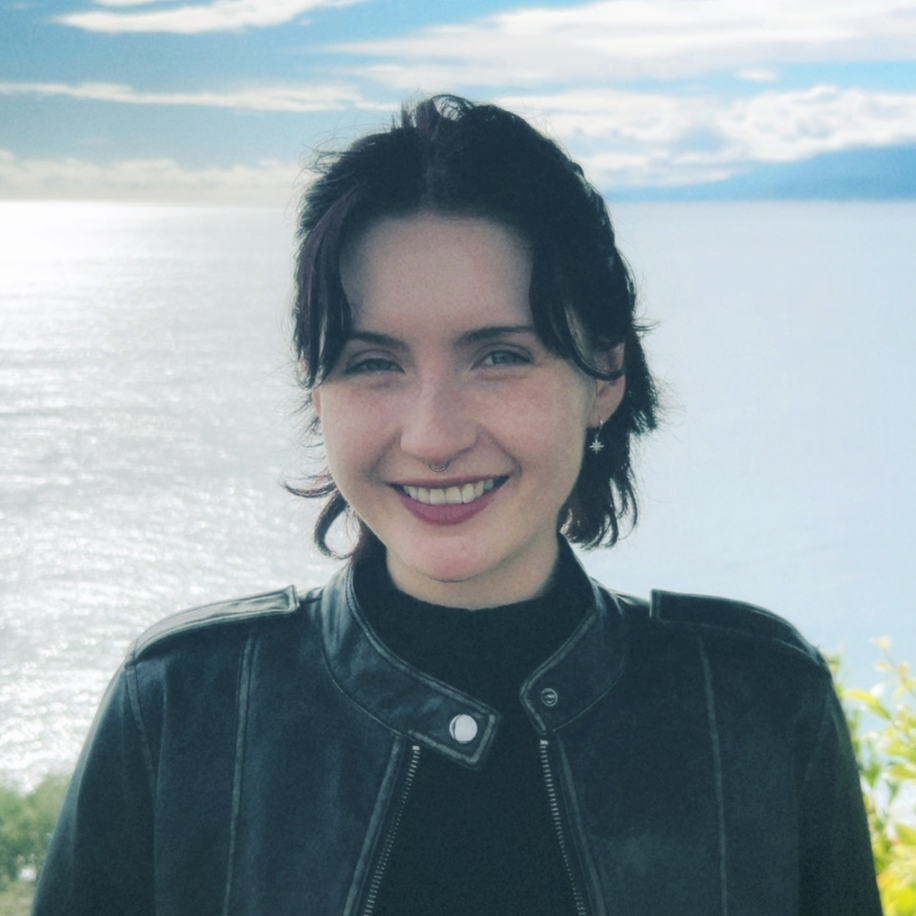

I am an undergraduate Laidlaw Scholar studying Philosophy and Politics at the University of York. I am very interested in climate education. My project investigates collective responsibility regarding climate change in the primary years of school.
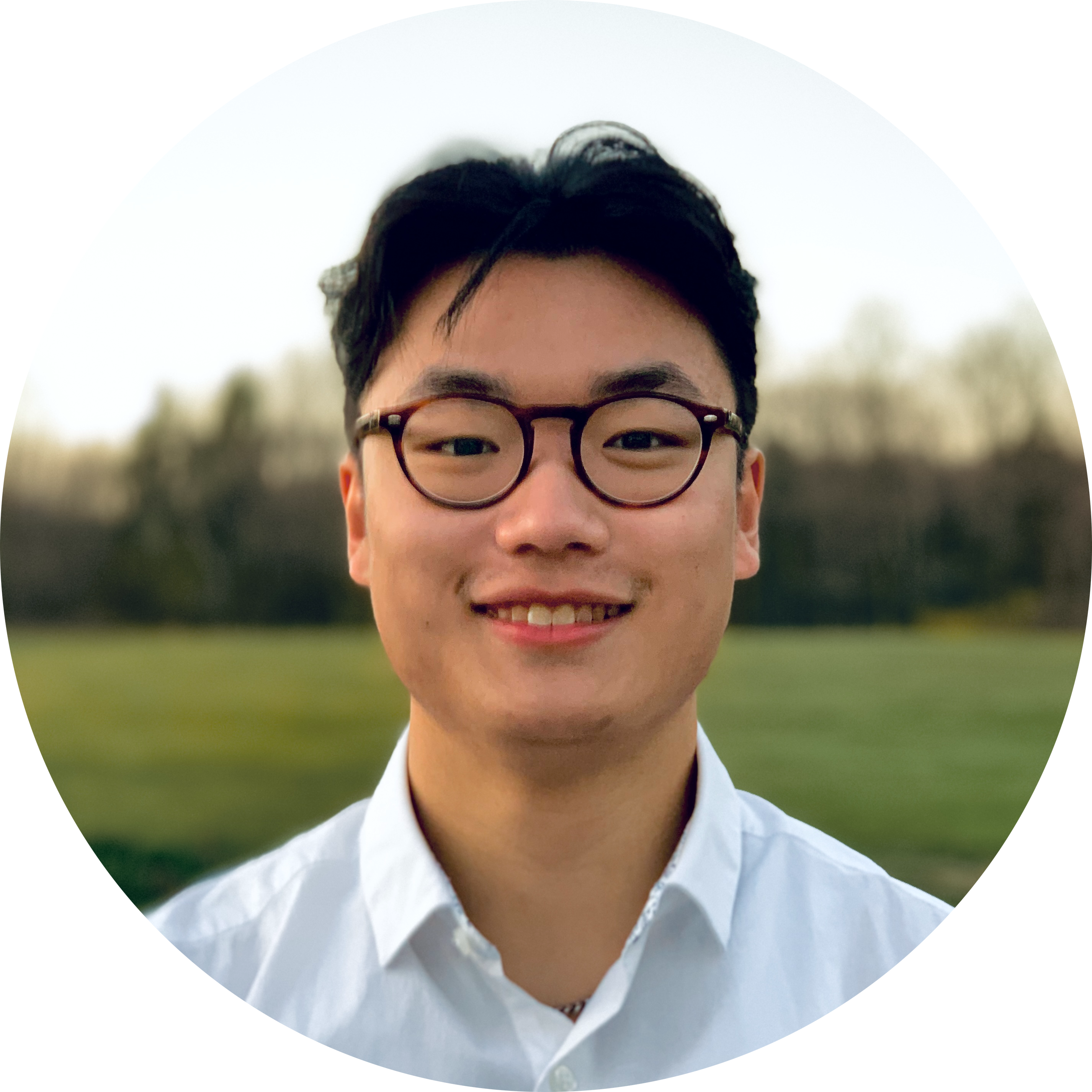
I'm a student at the University of Toronto interested in neurological and ocular health, immunological mechanisms and self-immunity, as well as innovations and leadership within health care. I look to empower the aspiring youth through limitless, accessible education, and foster positive change in our dynamic reality!
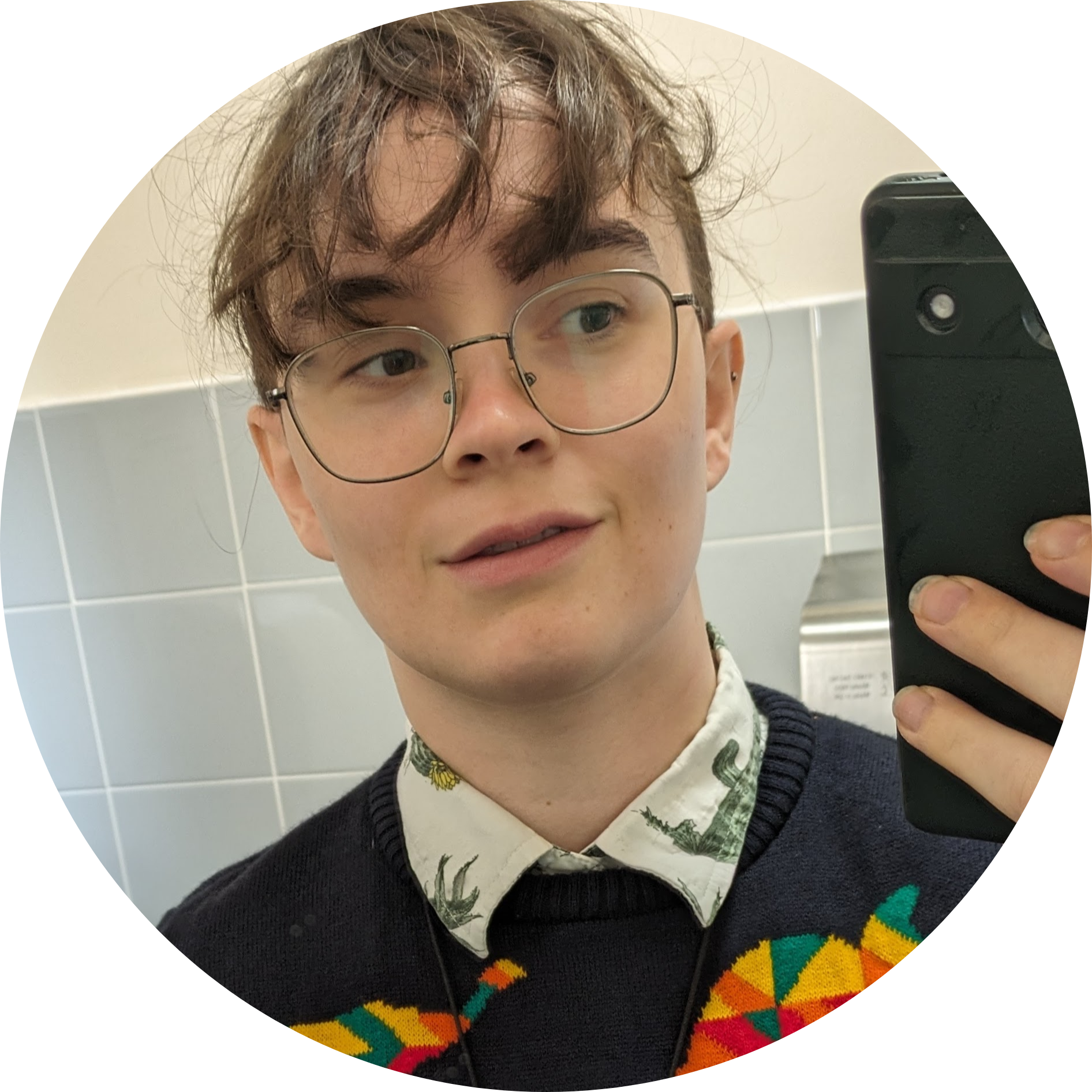
I am an alumni of the University of York where I received a BA (Hons) degree in English Literature and Linguistics. I was the Arts and Humanities Subject Lead on the Laidlaw Scholar's Network and the 2020-22 Arts and Humanities Undergraduate rep at the University of York.
After graduating from York I went to the University of Oxford to read for an MPhil in Linguistics, Philology, and Phonetics. After 2 years of study at Oxford I work full time in a school and also work on the HEnabled podcast, which aims to showcase the experiences of people with disabilities and long-term health conditions within the British Higher Education system. If you study or have studied at a British University and have a disability or long term-health condition, then I would love to have you on as a guest! Email henabled@gmail.com to get in touch.

A graduate of Cambridge University, Susanna’s professional experience includes over 15 years in senior leadership roles in international B2B and learning businesses. Susanna began her career at the Institute for International Research (IIR) where she first worked with Lord Laidlaw, rising to Chief Marketing Officer (CMO). When IIR, which was the world’s largest organiser of commercial conferences, was acquired by Informa plc in 2005 Susanna was appointed CMO of the enlarged group and also led the public company’s investor relations programmes. She subsequently joined Emap Ltd as Chief Marketing & Strategy Officer and CEO of Emap Networks, that group’s conferences business. Later she became CEO of the fashion industry forecaster WGSN and was latterly Group Content and Marketing Partner of the leading strategy consultancy Brunswick Group. A German-American raised and educated in the UK and a committed internationalist, Susanna has been involved in globally trading businesses throughout her career, directing activity in the Americas, across continental Europe, and the Asia Pacific. Susanna has been extensively involved with education and professional development over many years. She was Head of Group Training and led the commercial acquisition and integration of a portfolio of corporate training businesses whilst at IIR; and created learning academies at both Informa and Emap. She believes experiencing and appreciating different cultures promotes better global understanding, creativity and leadership. She is passionate about the power of education to transform lives; and believes that we need to develop a new generation of diverse leaders who are curious, bold and devoted to decency, truthfulness, and innovation. Susanna is committed to diversity not only as a societal imperative but as a critical component of commercial success. As an advisor to the trustees of the Foundation, Susanna first learnt about its purpose and programmes before becoming its Chief Executive responsible for the Laidlaw Schools Trust, the Laidlaw Scholars and its other education programmes. Susanna read English and Philosophy at Newnham College, University of Cambridge. She has five half blues in swimming and water polo; and played netball and rowed for Newnham.
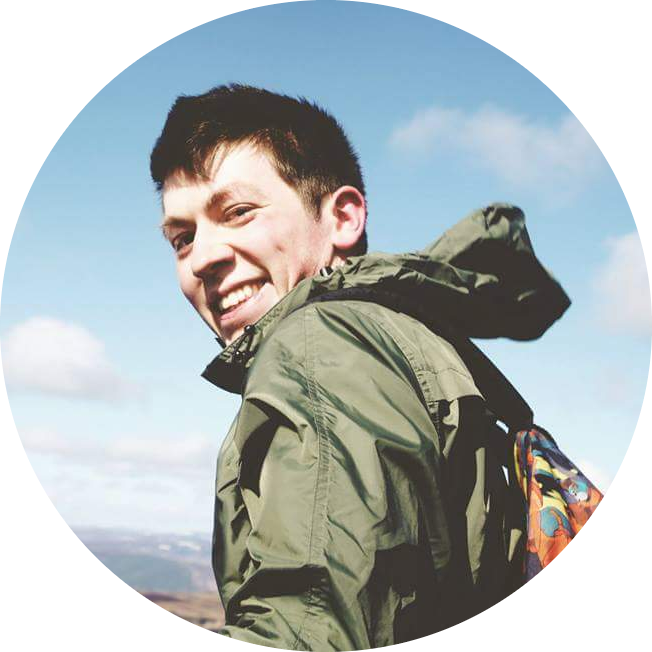
I completed the Laidlaw Programme in Summer 2016 while studying for a degree in Social Anthropology, looking at Bemba pottery in the University of St Andrews ethnographic collections. This led to an interest in material culture which I followed up on through an MA in the Arts of Africa Oceania and the Americas at the Sainsbury Research Unit (UEA), as well as a number of volunteer and paid museum positions.
In September 2019 I began a PhD in Anthropology at the London School of Economics. My project is entitled 'Ambivalence, uncertainty and doubt: Exploring responses to oil and flooding in an ‘Indo-Guyanese’ rural coastal village', and will draw on ~18 months ethnographic fieldwork taking place from 2021-2023.

About Me
Currently about halfway through my Chemistry MChem at Durham University (graduate 2023) and I still love every second of it. I am conducting research into amide bond breaking and forming reactions, and similar mechanisms to try to solve fun and tricky synthetic issues (thanks to Laidlaw).
Prior to a Chemistry degree, I worked as charity fundraiser/team leader for 7 years. I have personally raised over £1mil for various charities, and have a huge amount of leadership experience (training and management).
I am super friendly, love to learn, happy teaching, and I am keen to make the most out the Laidlaw Foundation. So, feel free to get in touch about anything; whether you are looking to support, be supported, or just discuss.
Always on the lookout for good research opportunities and ideas. Main interests include synthetic peptide,and organocatalytic chemistry. Nearing the point where I will start applying for doctoral candidate positions. So, if you think you can offer or direct me to a good fit, I would be very happy to hear from you.
Laidlaw Research
My planned Laidlaw research aimed to develop a series of trans-amidation reactions using azanides (amino, R2N- anions) to cleave/trans-amidate at amide bonds. During lockdown, these reactions were independently developed elsewhere. I am happy the reactions work, even if someone else got to do the work. Feel free to compare the proposed reactions in the research proposal, published on my profile, with the article they published. [M. Fairley, Chem. Sci., 2020, 11, 6500.]
Due to Covid, the time spent familiarising myself with this very niche set of reactions afforded a sensible option with an easy transition into a literature review of novel reactions that could be used to solve the synthetic peptoid (R3N-amino acid molecules and polymers) formation issues when bulky/electron-withdrawing residuals on N are used. I had great fun trying to think my way around the problem and the lit. review was passed onto my supervisor and his team to (hopefully) produce literature worthy solutions.
Happy to discuss, share findings and collaborate. Just, get in touch.
Other Interests
I was doing outreach work with children through the university pre-Covid and I am really looking forward to being able to help out again soon. I am a huge sci-fi nerd. I also run 2 student societies and organise events, socials, talks, etc. for each. Both societies have a broad range of aims with activities that support community inclusion, safeguarding, wellbeing and harm-reduction.
Future Plans
I made the tough choice to suspend my university studies for the 2020-21 academic year as I feel ensuring access to the full MChem experience is too important to miss. I have been taking the opportunity of spare time to engage with private study and develop some peripheral skills to compliment what I learnt in the first 2 years. I will start 3rd year in October.
My second summer with Laidlaw will now be in 2022 and I am hoping that international collaboration will be possible by then.
Seeking doctoral training or relevant internship possibilities to start summer 2023. I am very comfortable being contacted to you are welcome to get in touch, and feel free to pass my details on.
Research Interests
- Innovation of synthetic mechanisms.
- Peptides and peptidomimetics.
- Organocatalysis.
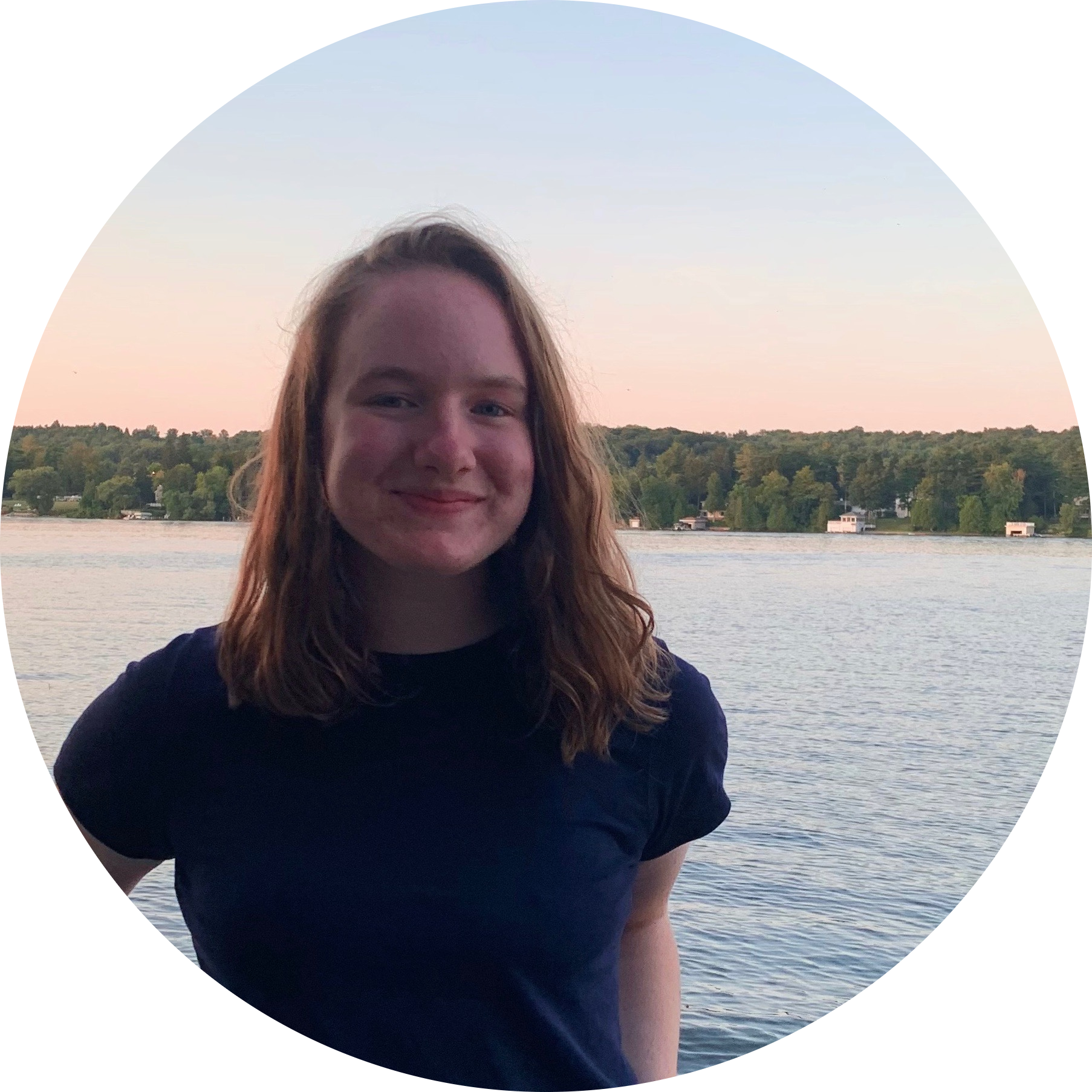
Research at the Columbia University Sabin Center for Climate Change Law in Summer and Fall 2020 and Vrije Universiteit Brussel in Summer 2022. Columbia Class of 2023, BA candidate studying urban history.

I am a Singaporean French second-year biology student studying at the University of York hoping to specialise in medical biology. My research project looks into novel therapies for a neurodegenerative disorder which there are currently no treatments for, Huntington's disease. I am excited to embark on the Laidlaw Scholarship and to connect with as many young leaders in my field as I can.

Anthropology and Sociology Undergraduate; from Bristol, UK.
I am completing a research project on narrative transmission and reproduction, looking at how oral accounts of geological events are passed down accurately over generations. By understanding how narratives are constructed I am keen to explore interdisciplinary approaches, particularly between Anthropology, Linguistics, Computer-Human Interaction, and Cognition.
Other interests include literature, art and photography, architecture, astronomy, and outdoor pursuits.

Hello! I'm Emma, a 2017 Undergraduate Leadership & Research Programme alumna and one of the Founding Co-Presidents of the Laidlaw Alumni Society.
My 2017 Undergraduate Research project focused on UK legislation which requires certain organisations to publish an annual statement about the efforts they are making to stop modern slavery in their supply chains. In particular, I looked at whether this legislation was really making a difference in the fight against modern slavery in supply chains. At the time, I concluded that the legislation was largely ineffective - however, you'll be pleased to know that, just a few years later, topics such as modern slavery in supply chains have risen much further up the corporate agenda (for various reasons largely unrelated to the UK legislation).
These days, I work as a lawyer. For the first few years of my career, I advised corporate clients on ESG disputes and regulation (including matters relating to modern slavery statements!).
I am about to start a new, exciting chapter of my legal career, working to develop two nuclear projects which will help the UK to achieve net zero by 2050 and ensure that its energy supply is secure.
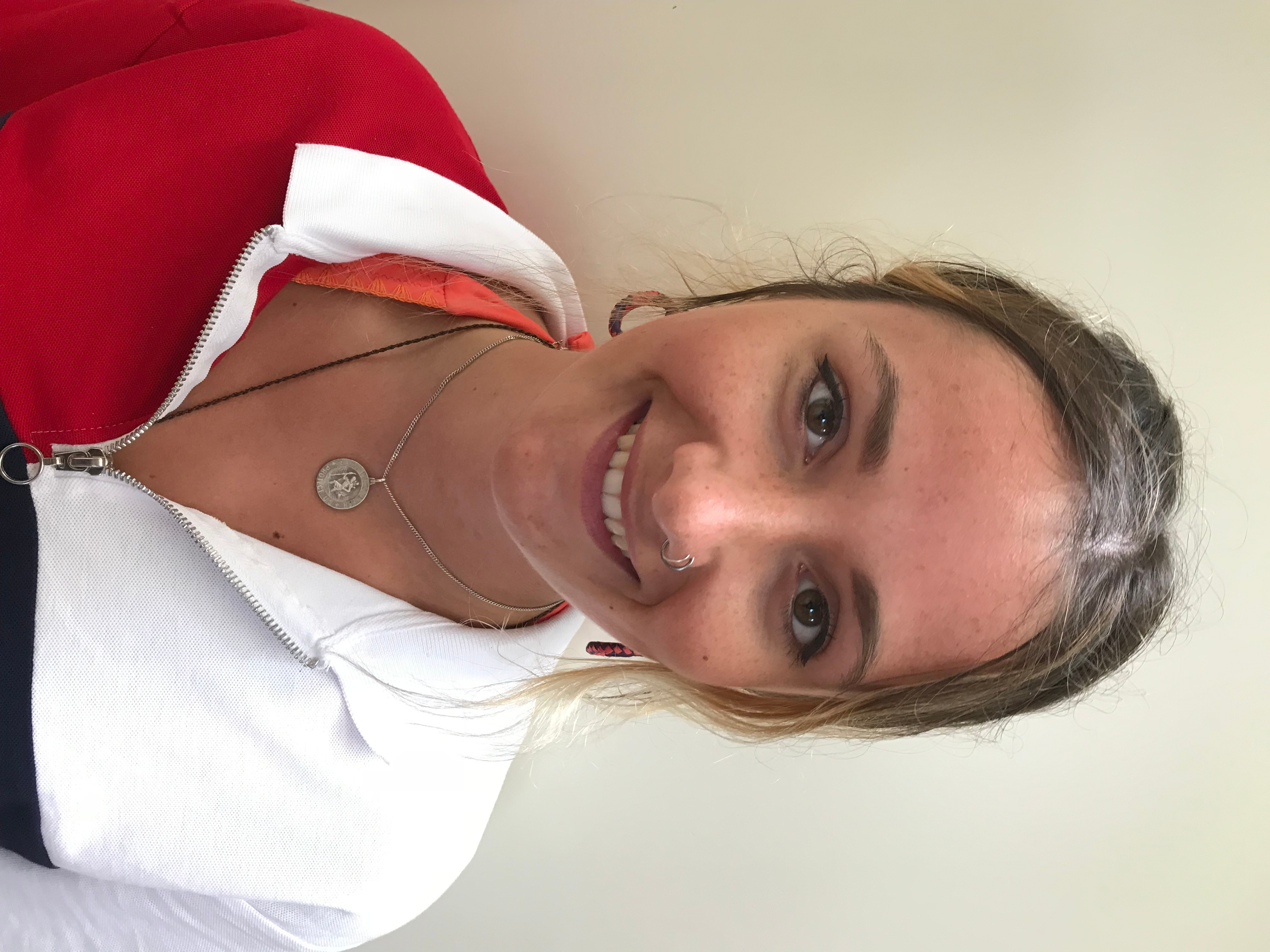
My expertise is in molecular genetics, specifically genetic engineering techniques with plants. I also have some experience with plant physiological research and bioinformatics in coexpression analysis and orthologue identification between species. My interests include both the fields of evolutionary and molecular genetics, and I minored in physical and human geography in my undergraduate degree. In future I hope to continue genetic research, aspiring for that which explores links between genetic research, the environment/climate, food security and disease eradication.

Laidlaw Scholar at the University of St Andrews. Studying for an MA in Philosophy and International Relations. Undertaking a leadership in Action Project for WORI (Women's Rights Initiative Uganda) researching de-colonialised methods for NGOs to develop international outreach. My research interests particularly surround political philosophy, critical theory and the construction of political identities. Current Editor in chief of 'Aporia' the St. Andrews undergraduate journal of Philosophy.

Bethany is a practising screenwriter and film producer who was a Laidlaw Scholar in the University of York's first cohort in 2017-18. She set up a production company with her partner Patrick the Isle of Man, where they now produce films and write screenplays. Their first short documentary, MERA, premiered at Festival Interceltique de Lorient, Brittany in August 2019 and their short drama, The Lost Wife, is in postproduction. Their scripts have placed in multiple international screenwriting competitions. Bethany is passionate about helping others to develop, especially those considering writing or the film industry as a career path.

Final-year Durham student studying Politics; President of Durham Laidlaw Scholars' Organisation; Incoming ESRC-funded MA-PhD student in NINE DTP. My research so far has covered ideological identity in left-wing student activism, examining the interplay of social movement theory and the philosophy of identity, and my general research interests include citizenship education, democratic theory and the occasional bit of political anthropology. Outside of my studies it's mainly twentieth-century literature, cocktails and cooking!
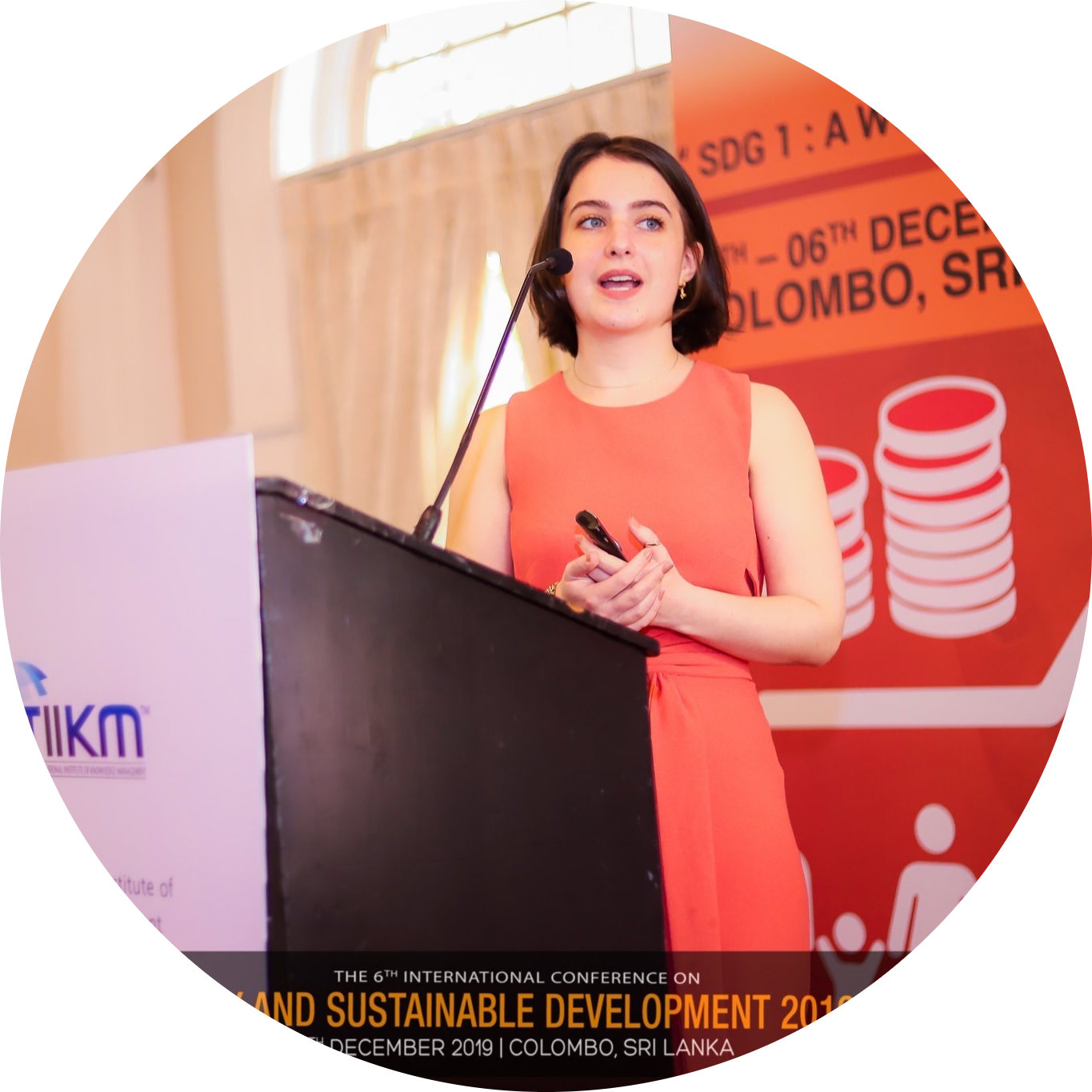
Since 2015, I have been passionate about ending poverty in the UK. I began my journey as a campaigner against poverty in my local area with Poverty Ends Now, a young person lead group ran by Children North East. Since then, I have represented the UK in the Commonwealth Heads of Government Meeting and other positions of influence with poverty as my main focus point. My Laidlaw Scholarship research project is all about the relationship between language, meaning and poverty. By understanding and changing unhelpful public discourse about poverty, we can start to shift power.

Andrew Singleton has recently joined the Tufts-Laidlaw Undergraduate Research and Leadership Programme team as a Programme Administrator and is excited to continue to elevate the Laidlaw Programming for current and future scholars. He joined the programme from Venture Café, which connects and educates the entrepreneurial and innovation community in Boston through programs/spaces/events and many other cities around the world. He has a B.S. from MIT in Biology and a background in social-impact enterprises, wind-power, user-computer-interfaces, as well as computer network design. In his spare time, Andrew enjoys travel, hiking, and wildlife photography.

BA Sociology and Anthropology | MSc Public Health
Especially interested in health inequality, gender studies, and maternal health, and health systems analysis.
My Laidlaw research project explored the everyday life experiences of 'fat' women in England and the impact of stigma, body privilege and gender roles on their experiences in public spaces.

I am a Career Development Fellow in the Psychology Department at Durham University, where I research the psychological processes that enable people to adapt, remain motivated, and flourish in challenging environments.
My research sits at the intersection of resilience science, Self-Determination Theory, and well-being. I am particularly interested in understanding how individual, social, and environmental resources interact to support resilient well-being across diverse contexts. My doctoral research examined these processes among polar expeditioners living and working in isolated, confined, and extreme environments, using mixed methods to explore how basic psychological needs underpin resilient functioning.
I am now extending this work beyond polar environments to investigate resilient well-being in higher education, sport, and other high-challenge settings. My research adopts a socioecological perspective, recognising that resilience emerges through the dynamic interaction between people and their environments rather than residing solely within the individual.
Alongside research, I teach quantitative and qualitative research methods, statistics, and psychology at undergraduate level, supervise student research, and enjoy translating psychological science into practical applications for education, sport, organisations, and communities.
Before entering academia, I spent over two decades working in community development and youth work, founding and leading a social enterprise supporting children, young people, and disadvantaged communities. These experiences continue to shape my research philosophy: I believe the best psychological science should not only advance theory but also improve people's lives.
My work combines rigorous empirical research with a strong commitment to real-world impact, and I am always interested in collaborating with researchers and practitioners working in resilience, motivation, well-being, Self-Determination Theory, higher education, sport psychology, extreme environments, and community-based research.

Graduate in Philosophy, Politics, and Economics (PPE) from Durham University. Have conducted research on climate security in the Israeli-Palestinian context. Experience in public speaking in an academic context, journalism, and journalistic editing.
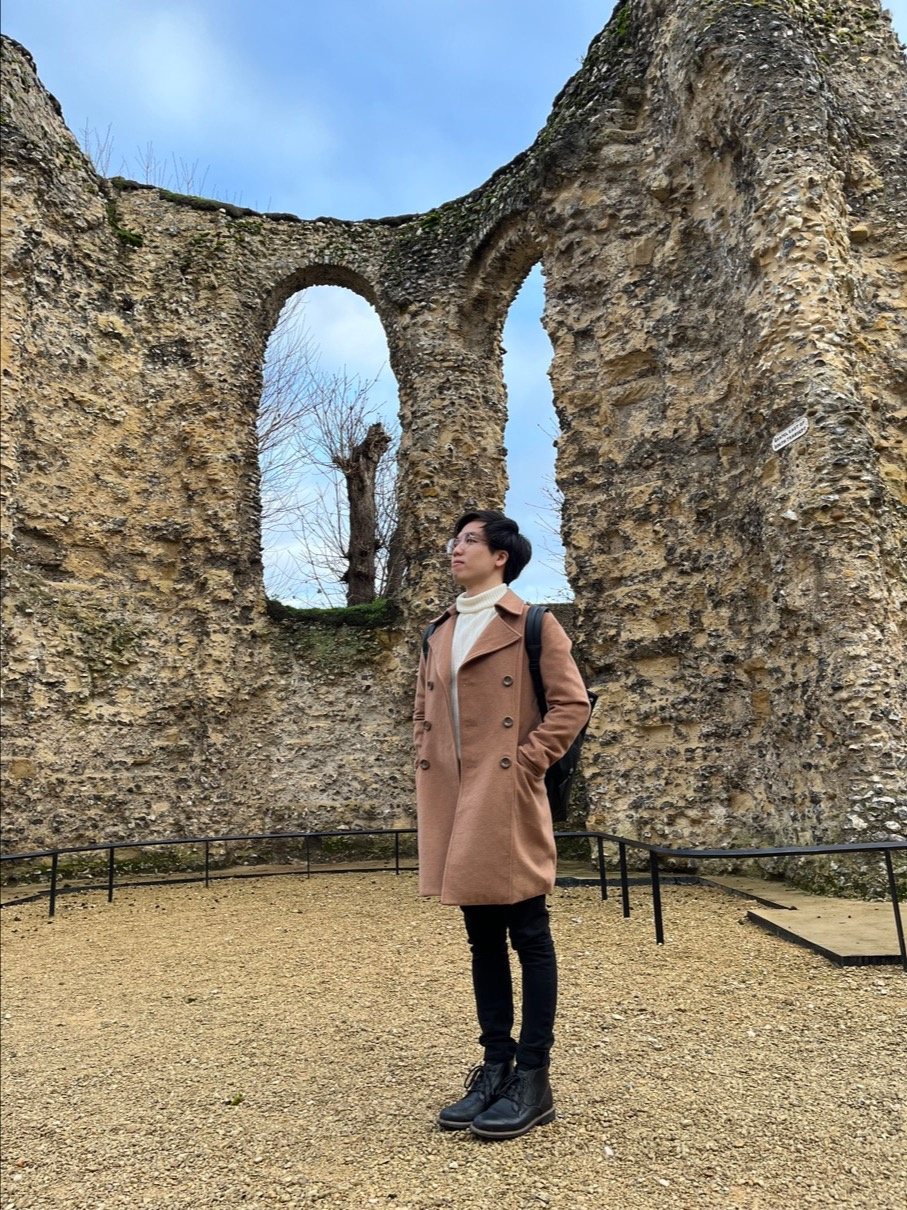
I am currently doing my MPhil in Sociology & Demography in the University of Oxford. My research interests lie in the intersection between genetics and social structures in the production of inequalities.