Week 3: Oxford Research Summer

Week 3 as a Laidlaw Scholar
Week 3: Oxford Research Summer
Like

Share this post

Choose a social network to share with, or copy the URL to share elsewhere

This is a representation of how your post may appear on social media. The actual post will vary between social networks

This week started off with an exciting opportunity to hear from Catherine Day and Sir Matthew Rycroft. Hearing about their career journeys, and commitment to public service encouraged me to think about my own career path, and challenged me to think about how my own leadership manifests. Their discussion on the importance of integrity was particularly inspiring.  

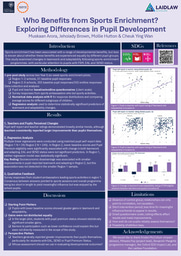
Discussions with my team this week centered around how we plan to approach the data from each pilot study, and which statistical methods would be most insightful and practical, given our differing skill sets. We have also been working on putting together a literature review, considering which research would best guide our analysis and conclusions. Alongside this, we've been working on the method/methodology section of our final report. It was insightful to learn about the benefits of a mixed methods approach.

The week concluded with a tour with Uncomfortable Oxford. It was interesting to view Oxford through a different lens, learning about the controversial and complex history of the university. I was particularly intrigued to learn about Oxford's ties to imperialism and colonialism.  

Please sign in

If you are a registered user on Laidlaw Scholars Network, please sign in

Go to the profile of Benjamin Margetts
15 days ago

Mollie,
This sounds like a productive week, and you identify three important areas for further reflection: integrity, methodological decision-making and Oxford’s complex institutional history.

I was interested in your observation that the team is selecting statistical approaches that are both insightful and practical given your different skill sets. Practicality matters, but the research question and characteristics of the pilot data should ultimately determine which analyses are appropriate. What do the sample, variables and differences between the two pilots (as and when the Sunderland data become available) allow you to claim, and where might you need further methodological guidance?

Catherine Day and Matthew Rycroft’s discussion of integrity could connect directly with this work. Research integrity may mean reporting uncertainty, limitations or disappointing findings rather than overstating what the data demonstrate. How might integrity shape the analytical choices your group makes and the conclusions you are prepared to draw?

You were also struck by Oxford’s connections to imperialism and colonialism. In a future reflection, I would be interested to hear whether the tour changed how you understand the University’s present relationship with the city — or whose experiences and opportunities are represented within the programme you are evaluating.

For next week, it would be lovely to see you exploring how the ideas you are encountering are changing decisions, assumptions or intended actions.

Best wishes

Ben