Week 5: Oxford Research Summer
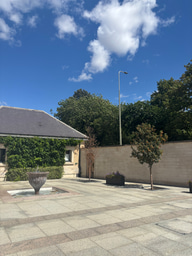
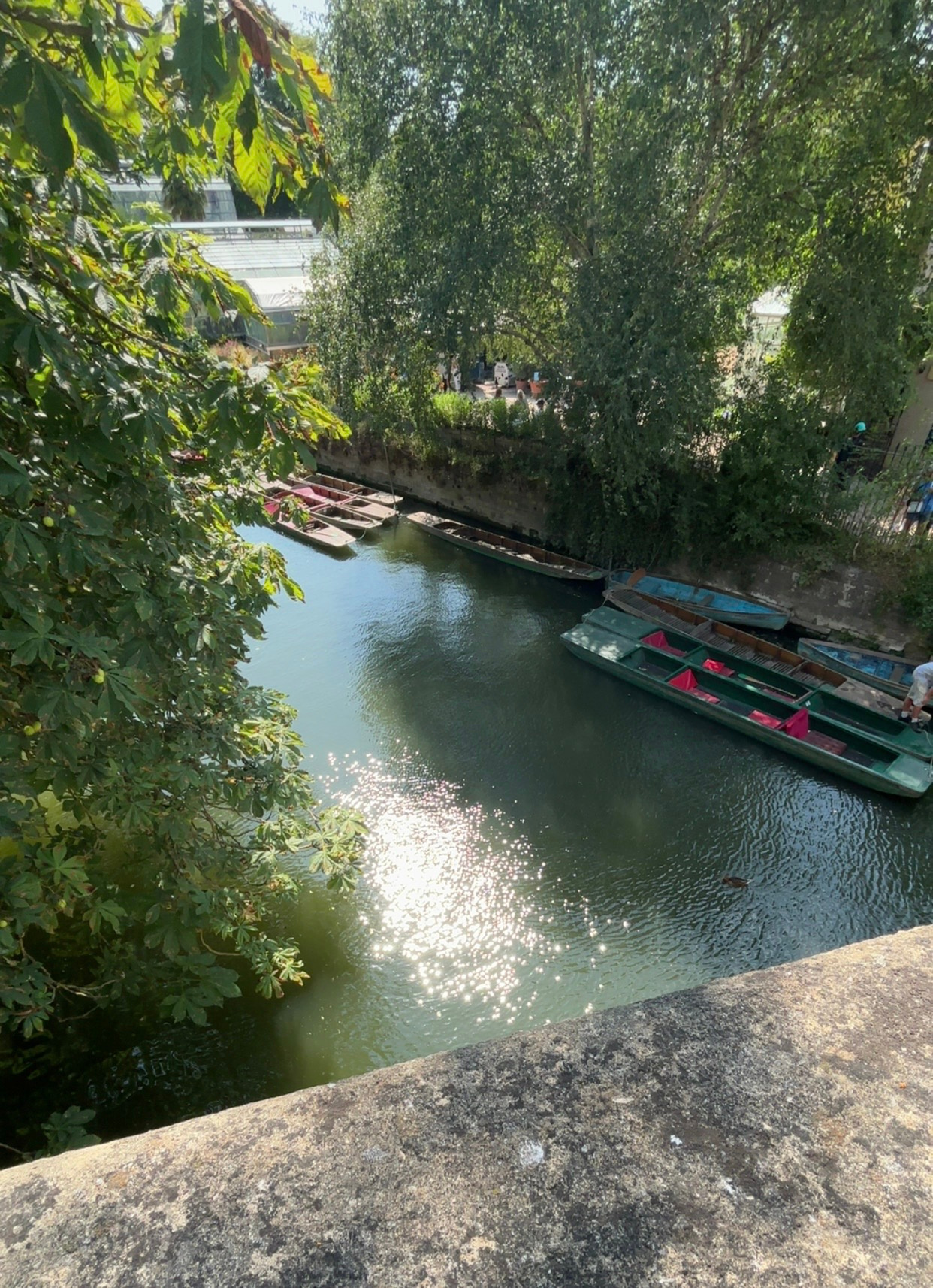
As we come to the end of the research summer, I'm reflecting on how my perspective of Oxford has shifted. From talks from the director of the lab, to a tour with Uncomfortable Oxford, I've gained a deeper appreciation of the so-called ' Town and Gown' divide. I've also gained considerable insight from living slightly out of the city centre (in East Oxford), allowing me to explore other areas of Oxfordshire and paint a picture of Oxford beyond the medieval city centre. After this research summer concludes, I hope to continue my exploration of Oxford, and discover more exciting areas!
This week consisted of continued use of R to visualise our data. An important point of discussion within our group was how we can anonymise the names of the schools and participants used in the pilot studies, and the importance of doing so when writing academic reports. After finally receiving the endline data, we've been working on making comparisons across the second pilot study, and between study A and B.
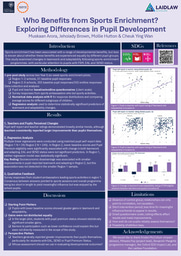
We've also been working on our Research Poster. It's been interesting to consider what figures to use to provide the clearest and most relevant information when presenting at the Laidlaw Scholars conference. It's been particularly fun to select the design elements of our poster, ensuring that its visually appealing and informative!
Looking onward to next week, our team will prioritise shaping up the final report. After reading our draft, our supervisor has advised shortening our methods/methodology section, and being mindful of the language we use when discussing correlational research.
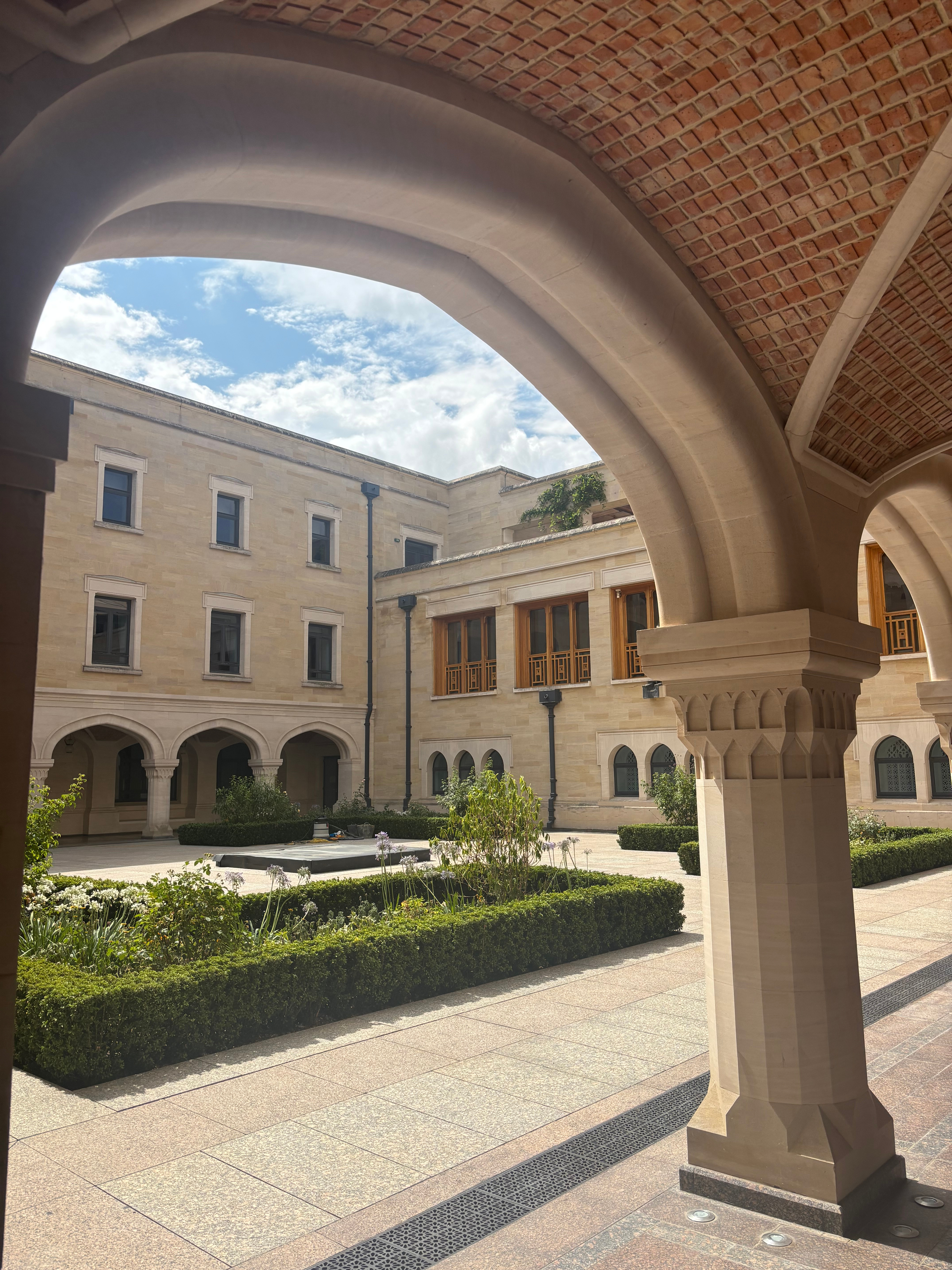
I'm looking forward to spending this final week with my team, and soaking up the last bits of Oxford before I head home for the summer. The Laidlaw programme has been an amazing experience to meet new people across colleges, and experience the buzz of Oxford through the long vacation
.
Please sign in
If you are a registered user on Laidlaw Scholars Network, please sign in
Mollie, this is a lovely reflection on how the Research Summer has expanded your understanding of Oxford. Living in East Oxford, visiting different communities and engaging with Uncomfortable Oxford have helped you encounter a city that extends well beyond the University’s familiar architecture and institutions.
The Town and Gown divide is not only geographical, however. It also concerns differences in power, resources, visibility and influence, as well as questions about who benefits from the University’s presence and whose knowledge is treated as authoritative. As you continue exploring Oxford, it may be interesting to consider not simply what different places are like, but how communities experience their relationship with the University—and how your own position within Oxford shapes what you are able to see.
Your discussion of anonymisation shows important ethical awareness. Removing names is a necessary starting point, but small samples can sometimes remain identifiable through combinations of contextual details. When presenting comparisons, consider whether school characteristics, participant roles, quotations or very small categories could allow someone familiar with the pilots to infer an identity. Pseudonyms, careful suppression or aggregation of small groups, and limiting unnecessary contextual detail may all be needed.
Now that the endline data has arrived, be cautious when comparing pilot A and pilot B. Differences may reflect the intervention, but they could also arise from variation in participants, implementation or context. Similarly, pre–post change demonstrates that something changed over time, but does not by itself establish what caused that change. Your supervisor’s advice about correlational language will therefore be important when framing the findings.
The poster requires another form of careful judgement: selecting figures that make the most important patterns visible without overwhelming the audience or overstating the evidence. A visually appealing design is valuable when it helps guide the reader through the research rather than competing with it.
It is lovely to hear how much you have valued the people, places and experiences of the programme. I hope the final week gives you time both to complete the report with care and to recognise how much your understanding of research, and of Oxford itself, has developed. Excellent progress.