Week 1: Oxford Research Summer

My first week as an Oxford Laidlaw Scholar
Week 1: Oxford Research Summer
Like

Share this post

Choose a social network to share with, or copy the URL to share elsewhere

This is a representation of how your post may appear on social media. The actual post will vary between social networks

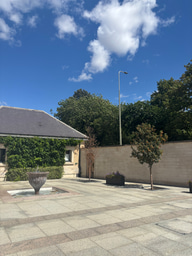
Shortly after the conclusion of my Preliminary exams, I started my journey as a Laidlaw Scholar. After much packing and unpacking and moving around, I've finally settled in my summer accommodation, and have had the great opportunity to explore a new area of Oxford. 

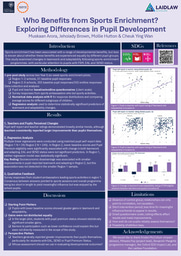
The highlight of my week has been meeting my group for this project. Each member of the team is extremely caring and hardworking, and I can't wait to spend the next 6 weeks collaborating! Our project is a quantitative analysis of data collected from two pilot studies across a primary school in Oxford, and in Sunderland. These studies aimed to investigate the relationship between implemented extracurricular enrichment and teamwork, adapting, belonging, and school engagement. This project is particularly exciting as I'm considering a future career in educational psychology, so this project will provide valuable insight into how policy impacts everyday life across UK primary education. 

An issue we had to navigate was our varying academic backgrounds and experiences. All coming from STEM backgrounds, we've had some experience with data analysis. However, while some of us had experience using Python as a means of data analysis, others had only used R, and our supervisor introduced is to a new data analysis tool – Stata. Many conversations this week centered around how we would approach data analysis to most efficiently conduct this project. 

Working on our research proposal has been very rewarding. After a meeting with our supervisor on Thursday, we were able to clarify some key points about the direction of our project, and refine our research proposal to reflect this. 

Outside of our Laidlaw duties, we enjoyed exploring some Oxford colleges and getting to know each others background – both personal and academic. I'm looking forward to developing this project further, and strengthening bonds with other Laidlaw Scholars. 

Next week, we have the exciting opportunity to visit the primary school in Oxford where the data for our project was collected. I'm looking forward to what insight this can provide to our data analysis. 

Please sign in

If you are a registered user on Laidlaw Scholars Network, please sign in

Go to the profile of Benjamin Margretts
2 days ago

Mollie, this is a lovely reflection and it's wonderful to see how quickly you've embraced both the research project and the wider Laidlaw experience. Your enthusiasm for collaborating with your team shines through, and it's clear that you've already developed a strong appreciation for the value that different perspectives and skillsets bring to a research project.

I was particularly interested to read about your aspirations in educational psychology. That connection makes Brief 5 especially relevant, as the project sits at the intersection of pupil development, educational experience, wellbeing and the broader question of how schools support young people beyond academic attainment alone. 

Your reflections on the challenges and opportunities presented by different analytical backgrounds are also insightful. Learning new tools such as Stata is valuable, but what will be most important over the coming weeks is how those tools help your team explore the questions at the heart of the brief. The project offers a rich opportunity to investigate how teamwork, adapting, belonging, school engagement and wellbeing vary across pupils and contexts, and how these outcomes may be influenced by enrichment experiences. 

I am particularly pleased to see that you are already thinking about the connection between policy, research and everyday experiences in schools. As you begin analysing the data and visiting the Oxford primary school, I would encourage you to keep asking how the findings might contribute to wider discussions about enrichment, educational inequality, pupil development and the ways we evaluate educational success. Some of the most valuable insights may emerge from linking the quantitative findings back to these broader educational questions.

Your excitement about visiting one of the participating schools is well placed. Opportunities like this can provide important context for the data and help bring the research to life by connecting numerical findings with the real experiences of pupils and educators.

You've made a fantastic start to the programme, and it's encouraging to see such genuine curiosity about both the research process and its potential impact. I look forward to seeing how your team's work develops as you move from project planning into data analysis and evidence generation. Keep up the excellent work!