Week 4: Oxford Research Summer
Our week kicked off with an insightful talk from Nabeela Kajee, where she introduced the concept of inclusive leadership. She highlighted some key components of inclusive leadership, such as how valued, connected and empowered a person feels in a team. This session contrasted to some previous discussions surrounding leadership, highlighting the importance of how people feel when working within a team, while also balancing productivity and a drive to meet goals. I enjoyed reflecting on my own previous encounters with leadership, and pondering how I can be more mindful of all members of my team in the future. A trait I particularly value in leadership is humility, opening up a conversation for continual reflection and growth.
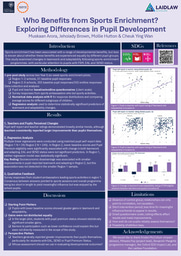
This week, my team has been working on several different tasks. While some have taken charge with polishing the literature review, and shaping our work into a cohesive report, others have begun the statistical analysis of the data from the second pilot study.
I've enjoyed sinking my teeth into a new programming language, R, and getting to grips with how it can be used to make insightful and useful figures/plots for our final report. Our Graduate Impact Advisor has been particularly helpful in advising us on how to best approach the data, and what angles we can take when shaping our final report. Despite experiencing some delays with receiving the data from the second pilot study, our team has made good progress, and feel ready to tackle the final 2 weeks of the programme!
We finished off the week with a meal at Franco Manca, a great opportunity to get to know my cohort in a more relaxed setting, and share insights from the programme so far.
Please sign in
If you are a registered user on Laidlaw Scholars Network, please sign in
Mollie,
This is another thoughtful reflection that balances your personal learning with your team's progress very well. I particularly enjoyed your reflections on inclusive leadership and your observation that effective leadership is not only about achieving goals, but also about how people feel within a team. Your emphasis on humility as a leadership strength is especially important, as it creates space for continual learning, reflection and the contributions of others.
I was also pleased to read about your willingness to learn R. Developing new technical skills can often feel daunting, but embracing unfamiliar tools is an important part of becoming a confident researcher (and will helpfully be helpful in your undergrad and future career). It's encouraging to see that you are not only learning the software itself, but also thinking about how data visualisation can help communicate findings clearly and meaningfully.
Your reflections also demonstrate an appreciation of collaborative research. Recognising the different roles people are playing within the team, while acknowledging the guidance provided by your Graduate Impact Advisor, shows an understanding that strong research is built on shared expertise and effective collaboration.
One area I'd encourage you to reflect on further is how learning R has influenced your thinking about the data itself. Has creating visualisations helped you notice patterns you might otherwise have overlooked? Has it changed the kinds of questions you're asking of the data? Those reflections would provide an interesting link between developing technical skills and developing as a researcher.
I also liked your closing comments about the Franco Manca social. Taking time to strengthen relationships beyond the formal project is an important part of building a supportive research community, and those informal conversations often become valuable opportunities for sharing ideas and learning from one another.