Over the past two years, my experience as a Laidlaw Scholar has provided me with profound insights into ethical leadership and global citizenship. I had the privilege of engaging in two distinct yet interconnected projects, each lasting six weeks. The first summer involved innovation strategy advising in County Durham, and the second summer with leadership-in-action, working to identify business opportunities and support sustainable growth within the same region. These projects were transformative, challenging me to think critically about leadership and my role as a global citizen.
First Summer: Ethical Leadership in Innovation Strategy Advising
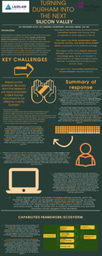
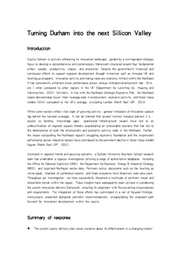
In the first year, I participated in a six-week research project aimed at improving innovation strategy advising for County Durham. The region faced numerous economic challenges, including low innovation activity, limited funding, and a declining employment rate. These issues posed ethical dilemmas around how to foster growth while ensuring that the benefits were equitable and inclusive for all stakeholders.
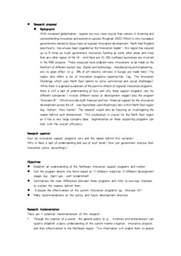
One of the key questions we tackled was, “How can we ensure that innovation serves the needs of the local community without exacerbating existing inequalities?” Through comprehensive analysis of authoritative databases and policy documents, my team and I sought to answer this question by developing recommendations that emphasized ethical decision-making and responsible innovation. For instance, while promoting innovation in industries like advanced manufacturing and life sciences, we also highlighted the importance of addressing automation risks, which threatened to displace lower-skilled workers. This presented an ethical challenge—how could the region embrace technological progress without leaving people behind?
Our solution was to promote a more holistic innovation delivery model. This model went beyond financial incentives and looked at providing non-monetary support such as skills development, educational programs, and entrepreneurial mentorship. These recommendations, framed within an ethical leadership perspective, were designed to ensure that innovation in the region would not only benefit the economy but also foster inclusive growth.
Reflecting on this experience, I learned that ethical leadership requires more than just making the right decisions. It involves creating systems and cultures where fairness, transparency, and equity are built into the decision-making process. As a leader, I strived to ensure that every voice was heard, and that decisions were made with the well-being of the entire community in mind. This experience shaped my understanding of how critical it is to lead with integrity and responsibility, especially when working on projects with far-reaching implications for diverse stakeholders.
Second Summer: Leadership-in-Action and Global Citizenship
In the second year, I took part in a Leadership-in-Action project with RTC North, a business support organization. This six-week project focused on identifying supply chain opportunities in sectors like renewable energy, electric vehicle production, and digital industries. Initially, the goal was to identify opportunities for business growth, but as the project evolved, I found myself dealing with far more complex socio-economic challenges.
Working with local business leaders, SMEs, and community representatives, I quickly realized that the economic landscape in County Durham was intricately connected to issues of resource allocation, skill shortages, and financial constraints. My interview with Enterprise Made Simple (EMS), an organization that supports local entrepreneurs, was particularly enlightening. Many aspiring entrepreneurs in the region were hesitant to take the leap into business ownership due to limited resources and the fear of failure. This highlighted the importance of providing not only financial support but also psychological and educational backing to build entrepreneurial confidence.
This project deepened my understanding of global citizenship. As I worked with businesses and communities facing significant challenges, I realized that local issues often mirror larger, global concerns. The UK’s Net Zero goals, for instance, were a key part of the project, and my team and I worked to promote sustainability initiatives among local businesses. The experience underscored the importance of acting locally while thinking globally. The environmental challenges faced in County Durham are a microcosm of the broader issues the world is grappling with, such as climate change, automation, and economic inequality.
Ethical Leadership and Adaptability
Throughout both projects, the need for adaptive leadership became increasingly clear. The rapidly shifting circumstances required me to constantly reassess my strategies. For example, while working with RTC North and EMS, I learned that ethical leadership often involves making tough decisions and balancing long-term objectives with immediate needs. It wasn’t just about identifying opportunities in the supply chain but about understanding the community’s immediate challenges and adjusting my leadership approach accordingly.
One of the key leadership lessons I gained was the value of empathy. Whether I was working with local entrepreneurs, business advisors, or community leaders, I have learned from them that its crucial to ensure that everyone felt heard and supported, as that's part of the most important job for their day to day life. This adaptability was vital to ensuring that any project not only achieved its objectives but also delivered lasting value to the local community.
Impact and Sustainability
The outcomes of these projects were significant. In my first summer, our recommendations provided a path forward for sustainable innovation in County Durham, we provided guidance in how to raise awareness about the UK’s Net Zero goals and provided businesses with actionable strategies and guidance for local government. However, the most profound impact of these experiences was the way they shaped my approach to leadership and global citizenship.
As I reflect on my journey as a Laidlaw Scholar, I realize that ethical leadership and global citizenship are deeply intertwined. Both require a commitment to sustainability, inclusivity, and responsibility. They demand that we look beyond our immediate environments and consider the broader implications of our actions. Whether I am working on local business initiatives or addressing global challenges like climate change, I will continue to apply the lessons I’ve learned during this scholarship.
Continuing as a Global Citizen and Ethical Leader
Looking ahead, I am committed to continuing my work as a global citizen and ethical leader. I will carry forward the values of integrity, transparency, and collaboration in all my future endeavors. I plan to remain actively engaged in initiatives that promote sustainable development and ethical innovation, both in my academic work and in my future career.
The Laidlaw Scholarship has not only equipped me with the skills to lead ethically but has also instilled in me a deep sense of responsibility as a global citizen. I am eager to continue exploring ways to make a positive impact, whether through policy recommendations, business support initiatives, or sustainability projects. Ultimately, my goal is to ensure that the work I do contributes to a more equitable, inclusive, and sustainable world.