From Access to Agency: Reflections on Ethical Leadership and Global Citizenship from my time in Lesotho and Ethiopia with SOS Kinderdorf
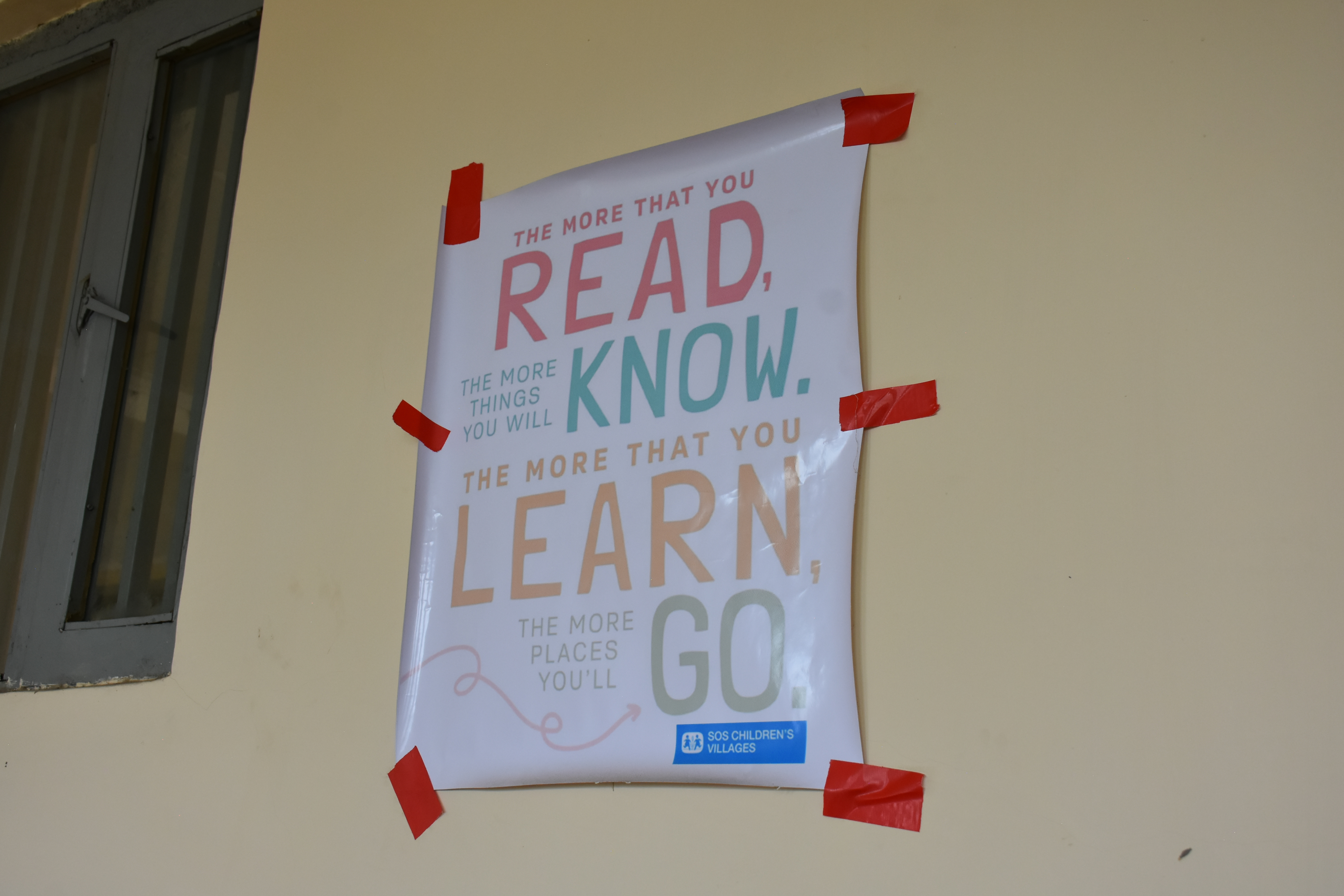
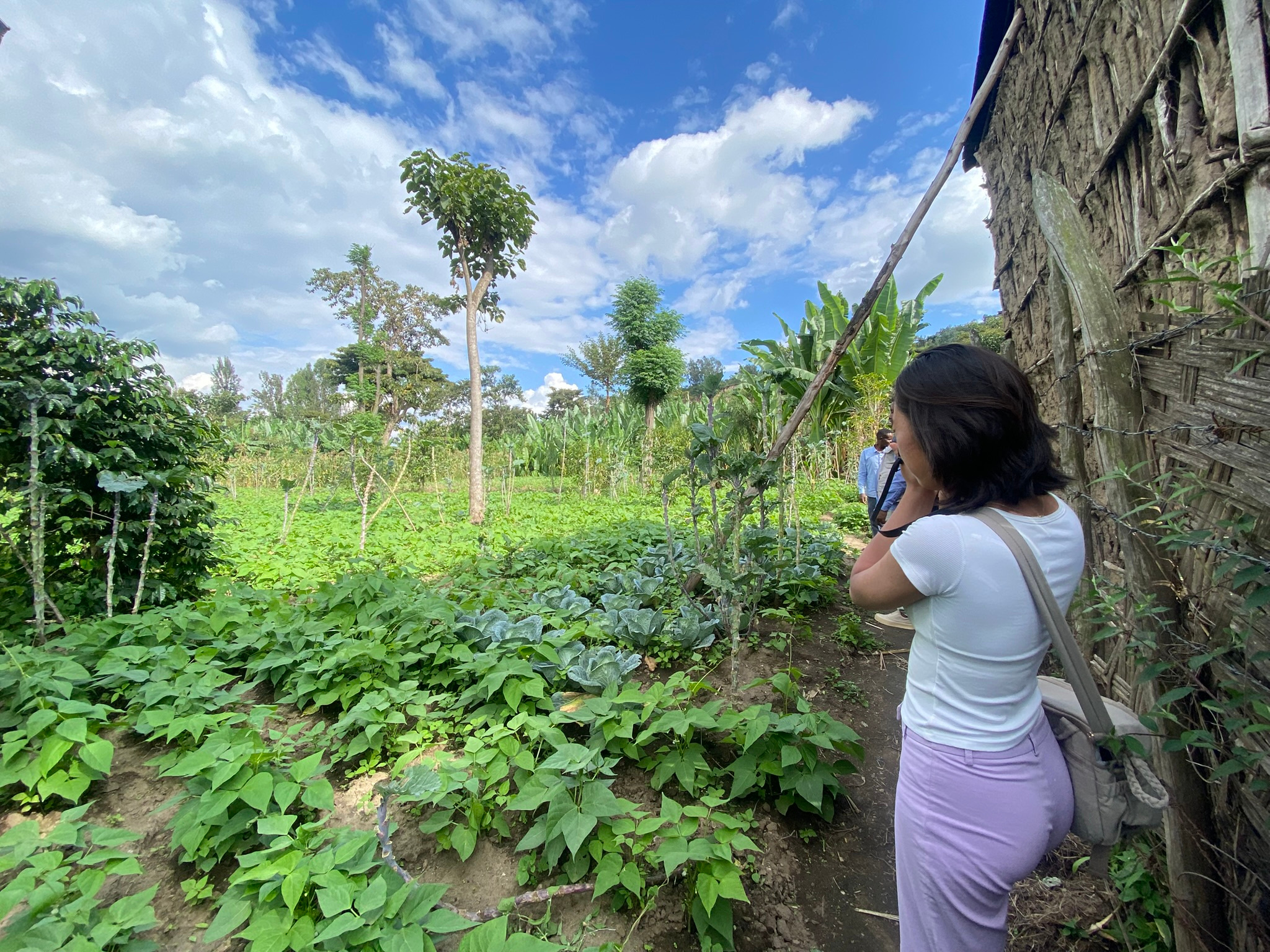

Taking part in the Laidlaw Programme has been transformative in ways I did not anticipate. For me, this was not simply an academic opportunity or an international placement.
As someone who grew up in the foster care system, coming from a background where such experiences such as this have not always been accessible, simply being able to take part felt like a form of social mobility. It opened doors that had previously felt firmly closed and made me aware of spaces I had not imagined I would ever stand in. That in itself reshaped my understanding of what was possible for me and for others with similar backgrounds.
Reflecting on ethical leadership, I realise that I had previously viewed leadership as something that relied on authority or pre-existing expertise. My experience in Lesotho and Ethiopia challenged that. A central observation for me was the contrast between my experience on the Laidlaw programme l and the types of social mobility initiatives I had experienced earlier in life. At school, for example, many social mobility programmes focused solely on exposure: taking underprivileged students to universities, museums, or cultural events so that we could see different environments. Although well-intentioned, these activities sometimes created a sense of being on the receiving end of charity. We were shown what others had, but not invited to contribute to anything meaningful ourselves. The dynamic reinforced a narrative of lack. The message, even if unintended, was that we had much to learn and little to offer.
The Laidlaw Programme could not have been more different. It placed us directly into collaborative work with SOS in Lesotho and Ethiopia, where we were treated as colleagues rather than observers. Our ideas, perspectives, and energy were valued, and we were invited to participate in genuine dialogue rather than stand at the edges watching others act. This shift from passive exposure to active collaboration reframed my understanding of leadership. It showed me that leadership does not require dominance or hierarchy. Instead, ethical leadership begins with humility, shared purpose, and the belief that others are experts in their own lives.
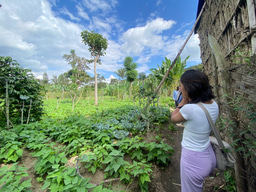
During our time in Lesotho and Ethiopia, I saw this principle in action through every initiative, where young people and families were leading efforts to support their own communities. They were not framed only as beneficiaries of external aid but as drivers of social change. Witnessing this challenged common assumptions around international development, where people are often portrayed as needing support rather than offering it. Seeing them in leadership roles affirmed that agency is not something that is granted from above; it already exists within communities. Our role was simply to recognise it.
SOS Kinderdorf designed projects with community participation at every stage. Their strategies focused on promoting self-efficacy for children, young people, parents, and carers through holistic and vocational programmes. They worked with existing governmental agencies and community-based organisations, and even partnered with local small financial institutions to provide capital for entrepreneurship. This model demonstrated that ethical leadership in development prioritises sustainability, dignity, and long-term impact over quick results. It was striking to see how these approaches enabled families not only to support themselves but to strengthen their wider communities over time. This affirmed to me that ethical leadership requires looking beyond immediate outputs and centring the long-term well-being of those involved.
These experiences have shaped my understanding of what it means to be a global citizen. Global citizenship goes far beyond terms of travel, multicultural awareness, or concern for global issues. It is something rooted in relationships, responsibility, and shared humanity. A global citizen recognises interconnectedness, not as an abstract idea, but as something lived and felt. It involves acknowledging that knowledge moves in all directions. In Lesotho and Ethiopia, I learnt as much as I contributed. The communities we worked alongside had deep expertise about their own contexts, and their resourcefulness, innovation, and determination challenged any assumptions about who leads and who follows.
This experience also taught me that global citizenship does not require abandoning local identities. Instead, it complements them by widening the circle of belonging. It involves caring about social justice, human dignity, and sustainable development beyond national borders, while recognising that solutions must always be grounded in local realities. Observing how SOS empowered local leaders to shape, adapt, and sometimes exceed the original scope of projects showed me how global and local leadership intertwine. The ambition of those leaders was inspiring, and it has set a standard for the kind of leader I aspire to become.
Looking forward, this experience has influenced how I plan to develop as an ethical leader. I have come away with three key strategies that I intend to carry into my future work, especially as I hope to build a career in the third sector after graduation.
The first strategy is to treat lived experience as expertise. My own journey into university as a mature student and a care leaver was shaped by seeing how policy professionals used the voices of service users to improve systems. I believe that those closest to social issues often hold the most valuable insights about how to address them. Ethical leadership means elevating those voices rather than speaking over them.
The second strategy is to avoid hierarchical models of intervention. Ethical leadership means working with people, not for them, and never positioning communities as passive recipients. The most impactful work I observed in Lesotho and Ethiopia stemmed from collaboration and co-leadership rather than instruction.
The third strategy is to recognise the importance of context. No strategy, however well-designed, can be transplanted wholesale into a different cultural environment. Working with existing community structures ensures that interventions are relevant, respectful, and sustainable. This approach also prevents the imposition of outside assumptions that may not reflect the lived realities of those affected.
Finally, I hope to be ambitious in my future endeavours, just as the leaders we met were ambitious in theirs. Ethical leadership requires imagination as much as responsibility. It involves creating networks, widening access, and supporting those who have historically been excluded from opportunities to contribute to change.
In many ways, my experience has broadened my world while grounding me more firmly in my own values. I have learnt that leadership is not about status and that global citizenship is not about travel. Both are about how we relate to others and how we choose to act. I hope to carry these lessons forward and to continue building spaces where more people, especially those from disadvantaged backgrounds, can participate in shaping the systems that shape us all.