Field Journal: Week 6
- What is the focus of your project (i.e. the question you are asking or exploring)?
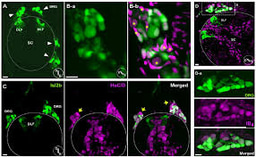
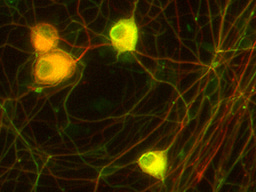
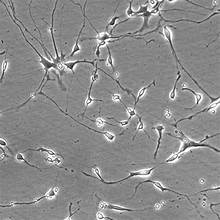
My project is on stress-modulated nociception in dorsal root ganglion neurons (DRGs). Chronic pain affects nearly one in five adults worldwide, yet the biological link between stress and pain remains poorly understood. My research aims to study how stress hormones directly alter pain sensitivities in these sensory neurons.
- How did you become interested in this topic?
I first became interested in the neurobiology of stress from a research internship at the Georgia Tech Research Institute, designing multisensory interactives using Playtron microcontrollers to alleviate stress in elementary school-aged children. At the Abdus-Saboor Lab, my project focuses on how stressed mice experienced an analgesic or hyperalgesic effect, that is, decrease or increase pain sensitivities.
- Please also discuss the purpose or significance of your research. In other words, why should other people, both within and outside of your field, be interested or excited by your research?
My research aims to establish a multi-modal framework for elucidating the morphological, molecular, and biochemical signatures of chronic stress in the dorsal root ganglion neurons of adult mice. This project is notable given that most prior work has focused on electrophysiology or on in culture transcriptional changes in the immune or hormonal context of chronic stress. If chronic stress and acute stress do produce hyperexcitability in DRGs, it would underscore the need for pain to be treated not as a purely physical symptom, but as a condition shaped by social, emotional, and environmental pressures, contributing to a future in which neuropathic pain management is more equitable for diverse communities.
- Finally, consider the leadership portions of your training, and how they informed your research this summer, or possibly your plans for next summer.
Looking forward, I’m excited to apply what I’ve learned in the leadership trainings, which have grounded me in a multidimensional lens of leadership. It’s informed my plans for next summer, when I plan to conduct narrative workshops on stress and mental health. Tentatively, I’m planning on hosting workshops for a diverse array of age groups, including seniors and youth, so I’ll be keeping in mind the various models of leadership, such as side-by-side, in the front, and behind.
Hi, I'm in the Columbia College Class of 2029, interested in exploring the intersections of neurobiology and storytelling, particularly the stories behind the science. My Laidlaw research project delves into the molecular and behavioral signatures of pain and stress in dorsal root ganglion (DRG) neurons in mice.