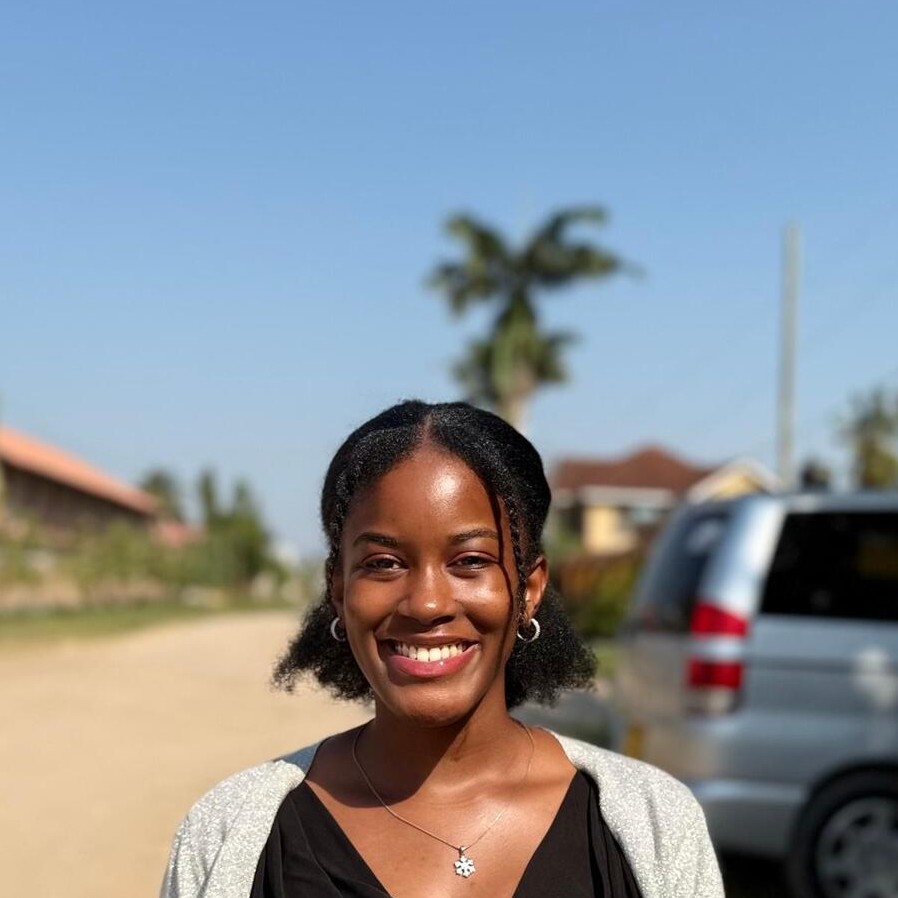
About Lydia Mhando
Hi there! My name is Lydia, and I'm a sophomore at Columbia University studying Human Rights and Public Health. I'm originally from Tanzania. In my free time, I like reading, drawing, hanging out with my friends, and trying out new restaurants in New York City!
I am a/an:
University
Laidlaw Cohort Year
Research Topic
Area of Expertise
I am from:
I speak:
My hobbies/interests are:
Followers






Recent Comments
Hi Rinaz,
I’m glad that you will get to engage with your project beyond the six weeks! I really liked and agree with your view on leadership from within. Leading from a place of insecurity and fear can indeed cloud your judgment and make you lose sight of your team’s mission and purpose. It is important to identify these tendencies so we can lead from a place of security instead. All the best as we wrap up our summer research.
Hi Van,
I enjoyed reading your reflection. It’s interesting to think about how concepts from centuries ago can still shape political systems today. I also like that you’re thinking beyond this summer and considering how this research can inform your senior thesis and future work. I look forward to seeing what your research reveals about the role that Classical ideas of expansion may have played in shaping early American expansion into the West.
Hi Lydia! I completely agree with your point about motivations in a team. An important part of leadership is being able to recognize the motivations and goals of each member in a group, and helping to guide them in the direction that best suits those needs. Having a reminder of those goals can be really helpful in the face of adversity. Also, I'd like to echo your model for budding leaders. Finding ways to step things up, either by being open to more responsibility or by being part of structured conversations can allow for meaningful contribution and leadership without the title. It is definitely an opportunity for learning and growth, reminding us that leadership is not a static title but a dynamic behavior that can be developed.
Thanks, Matthew!
I really like your point that leadership is not a static title but a dynamic behavior; that's something I'll definitely keep in mind moving forward.
What a joy to read your thoughts Lydia! I really like how you describe the uncertainties of research, especially how different and challenging it can be when approaching it in such a methodical and class-like way. I have also found this new level of autonomy difficult and a little nerve-wracking. Still, I love your invitation to "trust the research process." There is a lot to learn, but I am certain that we will do so together and help each other become better researchers, thinkers, and ultimately, better human beings. Big hugs!
Thanks, Tomás.
Glad to have you in our cohort!
Hey Lydia! I find your consideration of the issues at hand, especially those related to ethics, very thoughtful and balanced, which is essential for a complex topic like this one. How do you locate all of a company's communications about its human rights commitments when they are expressed across a variety of sources? Have you developed a systematic approach to search for these communications or is it more of a case-by-case basis. Also, based on your research so far, I'm also curious to know how many companies in the arms industry have you found to fulfill their human rights obligations. Excited to see where this project goes!
Thanks, Rinaz!
I usually begin with the company’s website for general information, then review other reports (annual reports, codes of ethics and business conduct, supplier codes of conduct, sustainability reports, etc.) for policies related to human rights. Since these companies are not all US-based, they structure and present their information differently, which is where I often have to do a deeper dive into their reports. And sometimes, I can’t locate all of a company’s communications about its human rights commitments, which creates a challenge because I'm stuck between presenting it as showing no commitment and recognizing that the information might simply not be public. So, a lot of reading, but also some interesting findings about how companies frame their commitment to human rights.
Hey Rinaz,
It's great to read about how you're practising leadership in your research lab. More often than not, we tend to view leadership as grand actions and associate it with seniority. However, we often overlook the small things that help build our leadership skills, like the ones you mentioned: coming up with a list of thoughtful questions (reflection) and reading a new part of a protocol (knowledge acquisition). Your examples show that leadership can be practised even when we're still figuring things out. Looking forward to reading more of your reflections!
Hey Tomás,
It's great to see that you've found your rhythm and are making progress with your research! I enjoyed reading your reflections, as they also inspired some of my own thinking. As someone studying public health, a field closely related to yours, I'm interested in learning more from you about how bioethics infrastructure differs across borders, like the similarities, differences, or unique models you've encountered. Otherwise, have a great rest of your week!
This is great, Claire! I found it really interesting how your exposure to researchers from different disciplines is shaping your thinking about the future of eye-tracking research. When you mentioned how this research connects to your interests in medical humanities and human rights, it got me thinking about some of the ethical questions that could arise, particularly regarding privacy and data protection. I can't wait to read what other interesting insights you'll share with us next week!