Scholar Spotlight - Divya Chaurasia
Discover more Scholar Spotlights.
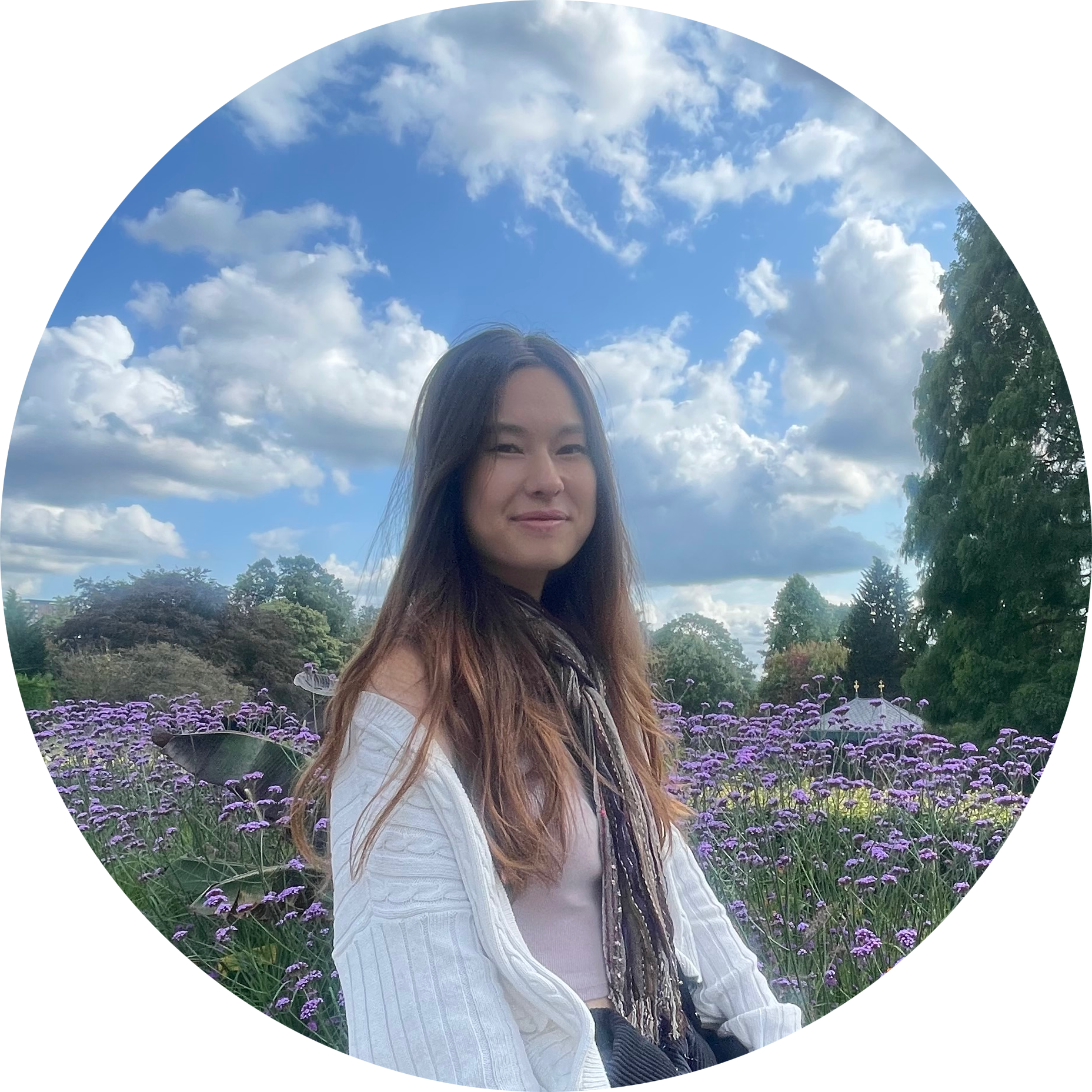
Divya Chaurasia, a Laidlaw Scholar at London Business School, is driving change through her role as President of the LBS First-Gen, Low-Income, Intermediate-Income Club
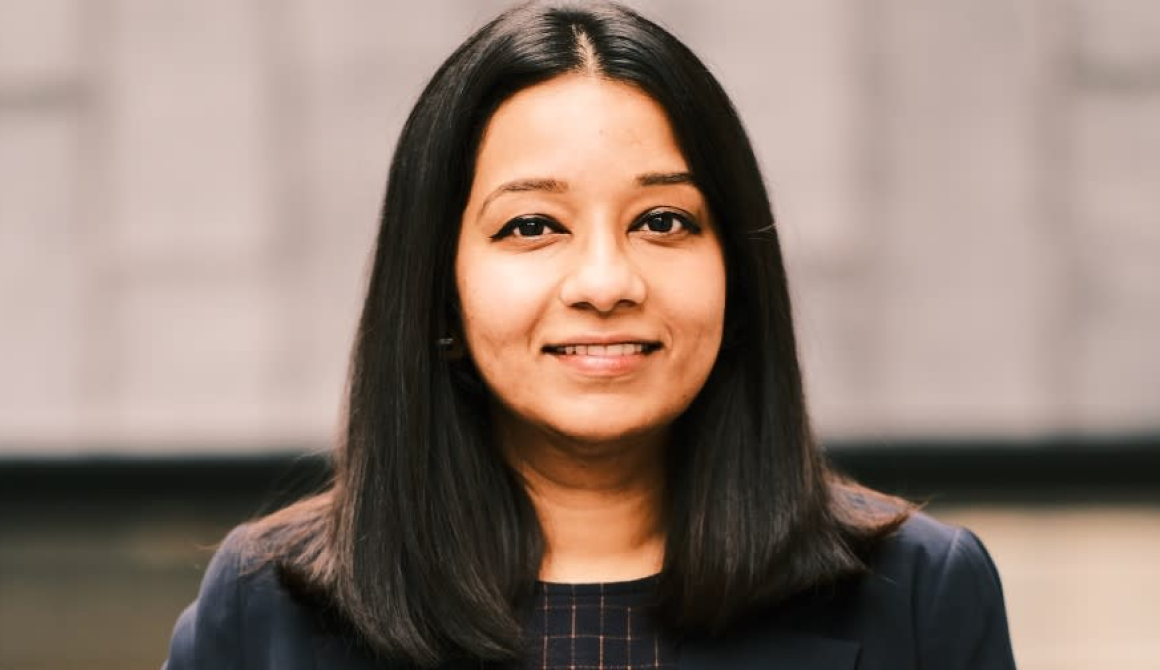
Growing up as the daughter of a single parent in a conservative Indian society, I saw firsthand how structural inequalities can limit a woman’s potential. My mother, who had little formal education, worked tirelessly to ensure I had opportunities she never did. Her resilience became the foundation of mine. From an early age, I realised that education was my path to overcoming systemic barriers, and I pursued it relentlessly—earning multiple merit-based scholarships during my undergraduate studies. Professionally, I’ve worked across high-impact teams, from building inclusive financial tools at Google Wallet to leading strategy as an MBA intern at Amazon. These experiences have deepened my passion for fintech as a lever for social mobility, particularly in underserved communities. As the first in my family—and among the first in my city—to study abroad, I carry both privilege and responsibility. At London Business School, I now serve as President of the FLII (First-Gen, Low-Income, Intermediate-Income) Club, where I lead partnerships and policy efforts to create a more equitable campus and professional ecosystem. I applied for the Laidlaw Scholarship because I deeply resonated with its mission: to champion women who lead with purpose, especially those from underrepresented backgrounds. Becoming a Laidlaw Scholar has not only affirmed my commitment but also amplified my capacity to act. It has connected me to a community of women redefining leadership—not as power, but as impact. My vision is to build fintech solutions that bridge digital and financial divides, empowering marginalized women to take control of their economic futures. With Laidlaw’s support ecosystem, I aim to grow into a values-driven leader who uplifts others through access, innovation, and opportunity—just as others once did for me.
What is the biggest life challenge you have overcome and what did you learn from it?
My biggest challenge in life has been overcoming the problem of “unknown unknowns”—not knowing what I didn’t know. As a first-generation college graduate and the first engineer in my family, there was no playbook for what came next. While my peers were preparing for exams like the GMAT or GRE in their final year, I was still trying to understand what those tests were and why they mattered. It wasn’t a lack of ambition—it was a lack of exposure. This challenge didn’t end after undergrad. When I entered the workforce, I didn’t know how to navigate mentorship, promotions, or networking. Even when I started my MBA, I was still catching up—figuring out what a “warm intro” meant or how to build a strong personal brand. Over time, I learned to be resourceful, ask questions fearlessly, and build my own guidebook by observing, iterating, and helping others do the same. That’s why I now lead the FLII Club at LBS—to create systems that give others the head start I never had. This journey taught me that curiosity, community, and resilience can bridge any knowledge gap—and that sharing what you learn is the most powerful form of leadership.
What is the most useful/impactful piece of advice you have been given in your life?
The most useful piece of advice I have been given in my life is: Perpetual optimism is a force multiplier. Originally quoted by Colin Powell, this line was shared with me by my husband, Major Kshitij Kumar Verma, when I stepped into the world of “unknown unknowns”—leaving behind a stable life in India to pursue an MBA abroad. As a first-generation student navigating unfamiliar systems, I often felt like I was playing catch-up.This advice reminded me that mindset matters just as much as skillset. Optimism doesn’t mean ignoring challenges—it means facing them with resilience, belief, and forward momentum. Whether it was adapting to a new country, switching careers, or leading the FLII Club at LBS, this mindset helped me stay grounded and inspired even when the path was unclear.That optimism has become my edge—fueling not just personal growth, but a commitment to lifting others along the way.
Conversely, what is the WORST piece of advice you have been given?
The worst piece of advice I have been given is “This is how it’s always been done – don’t try to change the system”. This was told to me when I decided to pursue an MBA after marriage, leaving behind a well-paying job at Google and my family in India. For many, especially women from traditional backgrounds, there’s an unspoken expectation to settle down rather than step forward. Choosing to invest in my growth—academically and personally—was seen as disruptive. But I’ve learned that meaningful change often begins with uncomfortable decisions. Rejecting that advice led me to London Business School, where I now lead the FLII Club and advocate for equity, access, and opportunity. Systems don’t change on their own—they change when someone dares to question them.
What are your top 3 leadership tips?
- Listen deeply, especially when it’s uncomfortable
- Lead by example, not just instruction
- Nurture your team by modeling the behavior and values you wish to cultivate
What does it mean for you to be a Laidlaw Scholar?
Being a Laidlaw Scholar means joining a community that believes leadership can—and should—be a force for good. It’s a platform to amplify not just my voice, but those of the women I hope to serve. To me, being a scholar is both recognition and responsibility: to lead with purpose, challenge inequity, and build systems that are more inclusive, just, and kind.
What does it mean for you to be a member of the Laidlaw Women in Business Board?
It’s an opportunity to champion gender equity through action. As a board member, I want to shape initiatives that amplify underrepresented voices, mentor early-career women, and build bridges between education, business, and community. It’s also a chance to co-create with brilliant peers who are reimagining leadership—not as power, but as service.
Which leaders inspire you the most and why?
Marie Curie : As a woman in a male-dominated field, she was often dismissed or overlooked—but she listened intently to criticism, not defensively, but with scientific curiosity. Her breakthroughs in radioactivity came not from following the crowd, but from asking deeper questions no one else dared to explore. True leaders don’t just hear—they listen to understand, especially when it challenges their assumptions.
Captain Vikram Batra, Indian Army Officer who was martyred during the Kargil War : During the war, when his men were pinned down under enemy fire, he didn’t order from the back—he charged ahead to rescue a fellow soldier. He led not with rank, but with courage, and inspired his team to follow even into the most dangerous territory. His actions spoke louder than any command ever could.
Sapna Chadha, VP at Google APAC : She’s known not just for delivering results, but for mentoring young talent, especially women, by building an inclusive culture. She champions digital literacy programs for underserved communities and lives the values of accessibility and empathy, showing that nurturing leadership scales impact far beyond the boardroom.
Major Sudhir Kumar Walia, Indian Army Officer who was martyred while fighting militants. Despite being highly decorated, he was known for treating junior officers and his team with immense respect and empowering them in the field. He volunteered to return to frontline duty despite being eligible for a staff posting, setting the gold standard for what selfless leadership looks like. His quiet strength taught others to lead with commitment, not ego.
Describe a scene from the future you are striving to create.
I envision a future where women from underserved communities in emerging markets can earn independently, without barriers of geography, safety, or societal norms, contributing actively to the economic growth of the country. In my future, a woman logs into a voice-enabled fintech platform built in her native language. She completes a free skilling module, receives microcredit, and starts her online business—all from her smartphone. Behind this system is a team I lead—product managers, engineers, and educators building human-centered, inclusive tech. This is the world I strive to create: where dignity, opportunity, and economic agency are not privileges but rights—especially for women.
Quick-fire Questions
📺 Currently Binging:

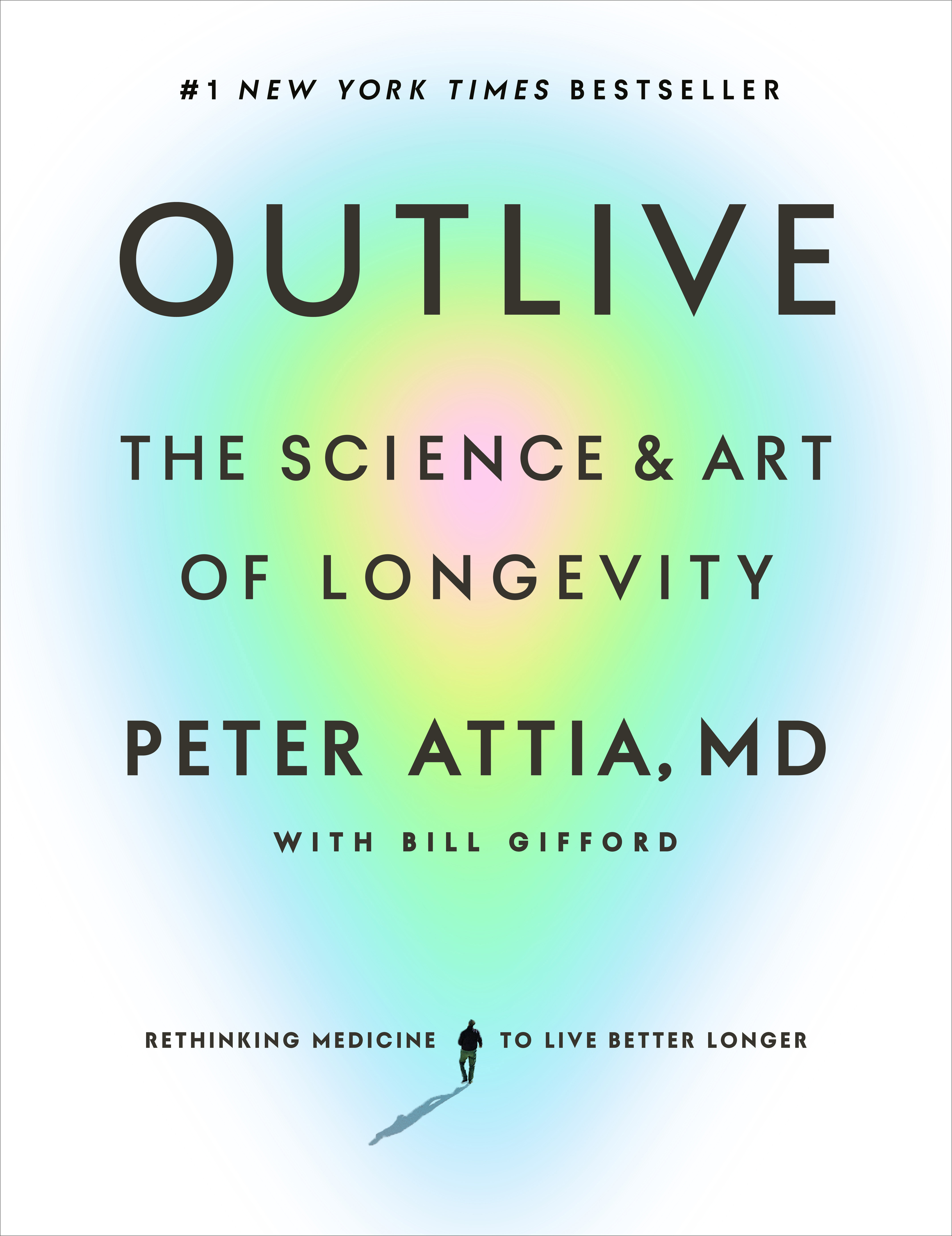
📚 My top book recommendation:
Outlive : The Science & Art of Longevity by Dr Peter Attia
Story You’ll Write by Fearless Soul
🎧 Current Audiobook Obsession:
Monks & Warriors by Col Kaushal Kashyap

🌈 Something that made me feel joy recently:
All eight students I mentored for tech interviews successfully secured job offers.
My Poets & Quants article about my journey as first gen student : Poets&Quants | Breaking The Glass Ceiling: An Indian First-Generation Student’s Path To London Business School
Divya Chaurasia is a Laidlaw Scholar at @London Business School. You can find Divya on LinkedIn. The Laidlaw Women's Business Education Scholarship aims to help build a pipeline of future women leaders through access to best-in-class education, resources and global networks by providing full and half scholarships to women who would not otherwise be in a position to reap the benefits of attending an outstanding school.
If you have ideas or initiatives you’d like to see, we’d love to hear from you! Reach out to a board member directly or share your ideas via this form: https://forms.office.com/e/K3EVxg0Ch0
🔦 Discover more Scholar Spotlights:
⚡️ Patrícia Gonçalves, a Laidlaw Scholar at Oxford University's Saïd Business School, on navigating the crossroads of public and private sectors and championing a sustainable, equitable future.
⚡️ Lucy Nyamaah, a Laidlaw Scholar at Oxford University's Saïd Business School, on pushing past gender norms and envisioning a female-led future in the Energy sector.
⚡️ Juliana Ruseva, a Laidlaw Scholar at London Business School, on volunteering, helping women break the glass ceiling and tackling issues step by step.
⚡️ Adebusola Adegbuyi, a Laidlaw Scholar at Saïd Business School, on facing challenges with optimism and empowering young women to begin careers in technology.
⚡️ Aya Hammad, a University of York Laidlaw Scholar, on understanding the origins of cancer, promoting equality in healthcare, and learning to be adaptable.