Research Week 6: What I’m Taking Forward
And just like that, six weeks in the lab have come to an end.
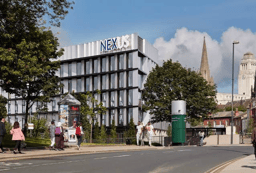
The final week of my Laidlaw research project has been a chance to consolidate everything I've learned throughout the summer. I spent more time at the Northern Cell Metrology Hub at Nexus, where I continued exploring flow cytometry and gained a greater appreciation for how different experimental approaches can provide complementary perspectives on cellular mechanisms in disease.
I've also been exploring the possibility of using the Cheney Biomedical Accelerator in a future project. After visiting the facility earlier in the summer and learning about its advanced imaging capabilities, it's exciting to think about how these technologies could be incorporated into future research endeavors. Although there wasn't enough time to pursue these options within my six-week project, I've come away with a much clearer idea of the directions I could take my future research.
More importantly, however, this project has taught me much more than individual laboratory techniques.
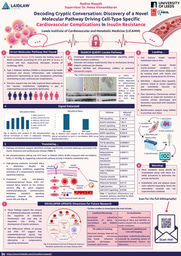
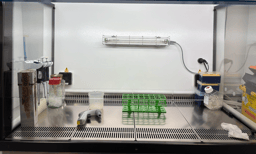
Six weeks ago, I was hesitant to take charge in the laboratory. I was worried about making mistakes, damaging equipment, or wasting valuable materials. Since then, I've learned aseptic technique, carried out Western blots independently, worked with HUVECs and adipocytes, analysed protein expression, explored bioinformatics, practiced scientific writing, designed figures, and prepared work for scientific conferences. I've also learned that mistakes are not necessarily setbacks, but rather some of the most valuable opportunities to understand why a protocol works and how to troubleshoot when it doesn't.
The biggest lesson I've taken away is that research is not a linear process. Experiments fail, hypotheses evolve, timelines change, and new questions emerge at every stage of the research journey. Learning to navigate that uncertainty has made me much more confident in my ability to think critically, solve problems independently, and adapt when things don't go according to plan.
I've also gained a much broader understanding of what it means to be a scientist. Research isn't confined to the laboratory. It involves reading critically, communicating complex ideas, analysing data, collaborating across disciplines, asking questions beyond the scope of your immediate project, and ultimately considering how fundamental discoveries can translate into meaningful improvements in patient care.
Beyond the skills and experience I've gained, I'm proud that the work I carried out this summer will contribute to the wider pool of scientific knowledge surrounding the cellular mechanisms that drive early-stage Type 2 Diabetes. By improving our understanding of how insulin-resistant conditions alter protein expression and cellular behavior, this research can help identify mechanisms that may eventually translate into more effective biomarkers and earlier approaches to diagnosis. Earlier detection could provide opportunities for intervention before the severe metabolic and cardiovascular complications associated with advanced Type 2 Diabetes develop, ultimately helping to reduce disease burden and, most importantly, improve and save lives.
I am incredibly grateful to my supervisor for the opportunity to contribute to her incredibly meaningful projects and for her patience, guidance, and encouragement throughout these six weeks. From letting me make mistakes and learn from them to challenging me to think beyond the immediate experiment, her support has played a huge role in helping me become more independent and confident as a scientist.
I'm also incredibly grateful to the @Laidlaw Foundation for giving me the opportunity to undertake this project and to the @University of Leeds Laidlaw coordinators, @Matt Penhaligon and @Rebecca Shaw for their guidance and support throughout this journey. The programme has given me the space to explore what kind of scientist I want to become and the positive impact I hope to make as a future global leader.
Although my time in the lab has come to an end, the research doesn't stop here. The questions I've developed, the skills I've gained, and the ideas I've begun to explore will continue to shape the research I pursue throughout the rest of my degree and, hopefully, far beyond it.
Six weeks done. A lifetime of questions to go. 🧬
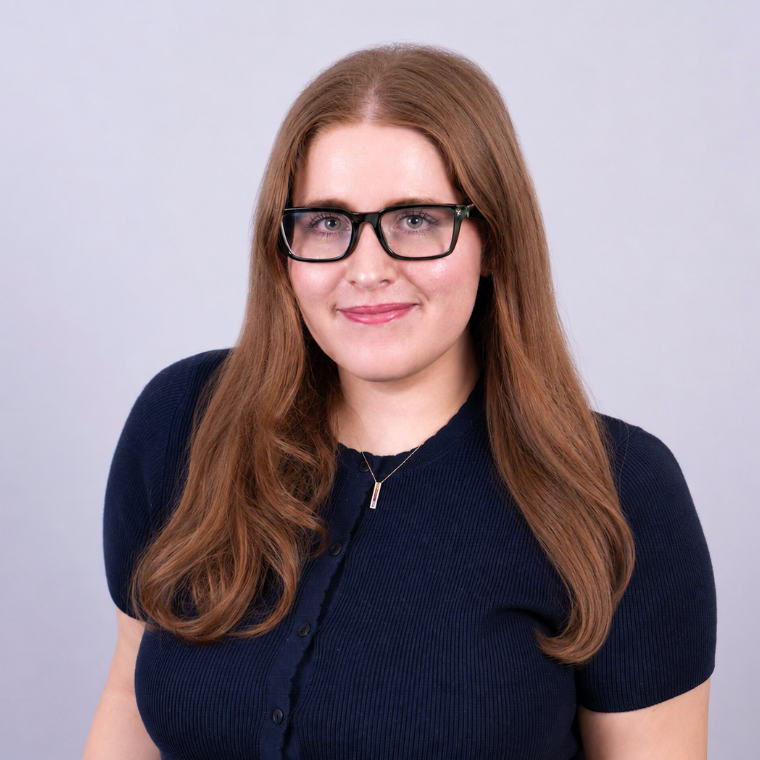
Hello! My name is Nadine, and I am a second-year Genetics student at the University of Leeds. I am interested in pursuing a career in research and global health, with a particular focus on cardiovascular science and immunology. I am passionate about addressing pressing global health challenges through impactful solutions that improve the diagnosis, treatment, and prevention of disease. I strongly believe that healthcare should be accessible to all communities worldwide, and I am committed to contributing to this goal.
Through my leadership and medical communications experience, I have developed strong interpersonal and organizational skills, and I am now eager to expand into more lab-based roles where I can contribute directly to improving patient care and advancing scientific research.
This summer, I will be joining a research team at the Leeds Institute of Cardiovascular and Metabolic Medicine, where we will investigate a novel molecular pathway involved in the progression of cardiovascular disease in individuals with insulin resistance. This opportunity will allow me to deepen my understanding of translational research and its potential to improve health outcomes.
Although still early in my journey, I am excited to begin my Leadership-in-Action project and explore how meaningful research can be applied to real-world health challenges. The Middle East faces a particularly high incidence of cardiovascular disease, with heart disease accounting for approximately one in three deaths annually and occurring, on average, at least a decade earlier than in many Western countries. As a Laidlaw Scholar, I hope to use my platform to contribute to tackling this growing crisis and promoting more equitable global healthcare outcomes.