Research Week 3: Taking Off the Training Wheels
Reaching the halfway point of my research project has given me an opportunity to reflect on how much has changed in just three weeks. Looking back, the focus of my first two weeks was on learning new techniques and understanding the broader context of my project. However, this week was less about learning what to do, and more about learning to trust myself to do it.
I completed the entire Western blot protocol independently for the first time and I'm pleased to report that this week's gel transfer was a success (no cracked gels this time!) Therefore, I produced clear protein bands following imaging, making it my first successful Western blot completed without direct supervision.
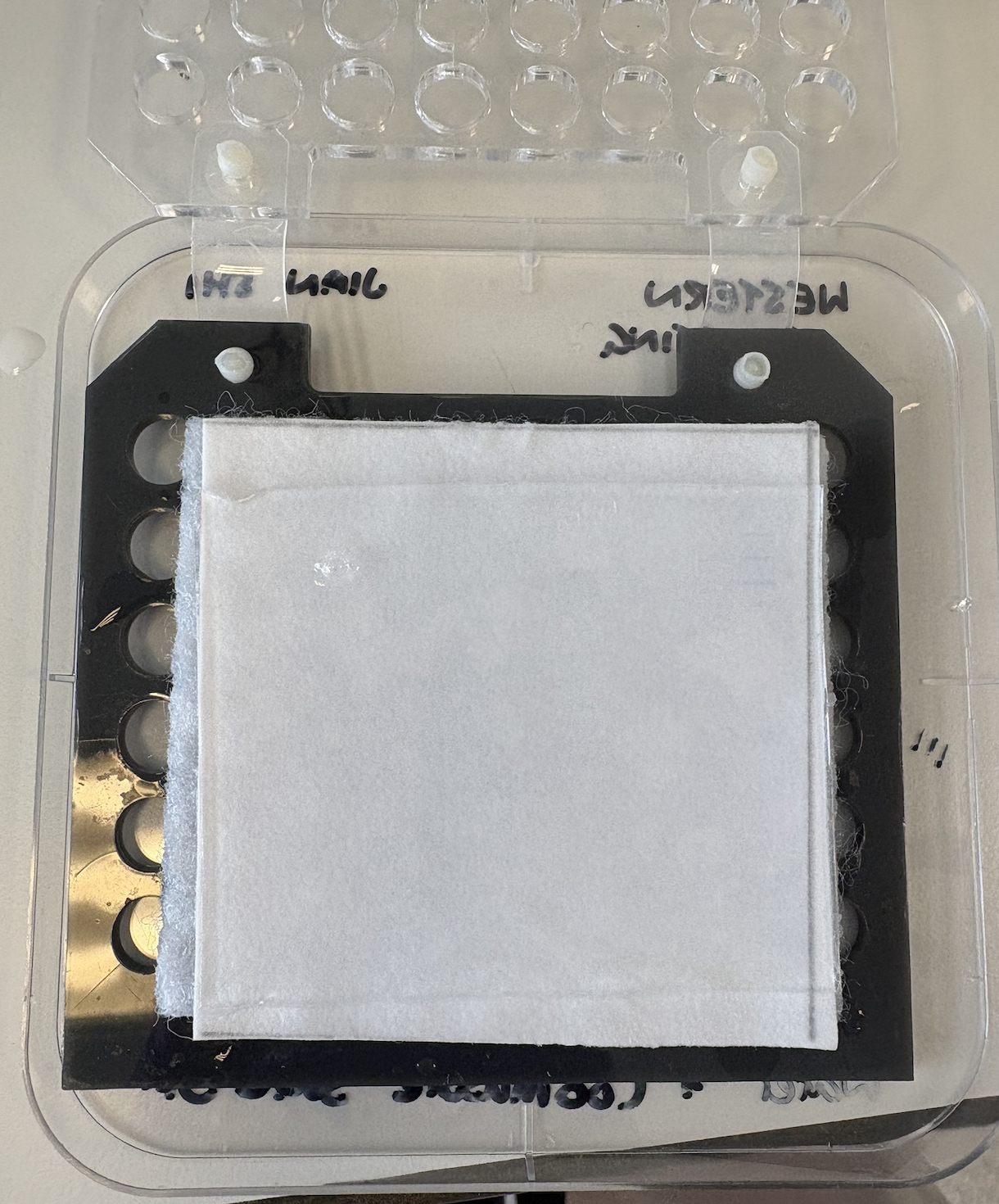
My supervisor left me to carry out the protocol on my own, reassuring me that she was only a message away if I needed help. However, she encouraged me to work through problems independently. At first, this was overwhelming and there were several moments where I felt completely unsure of myself. As it turned out, that uncertainty became one of the most valuable learning experiences of the week.
Like all researchers, I made mistakes. During my first protein transfer, I noticed that the molecular weight ladder hadn't transferred onto the membrane. After some troubleshooting, I realized I hadn't added enough transfer buffer to the tank, preventing efficient protein transfer. So, I repeated the protocol, corrected the mistake, and achieved a successful transfer on my second attempt.
Another error occurred during imaging. My initial protein bands lacked clarity, prompting another round of reflection. After discussing the protocol with my supervisor, we concluded that the membrane hadn't been washed and incubated for long enough. I repeated those steps and was able to produce much clearer results the second time.
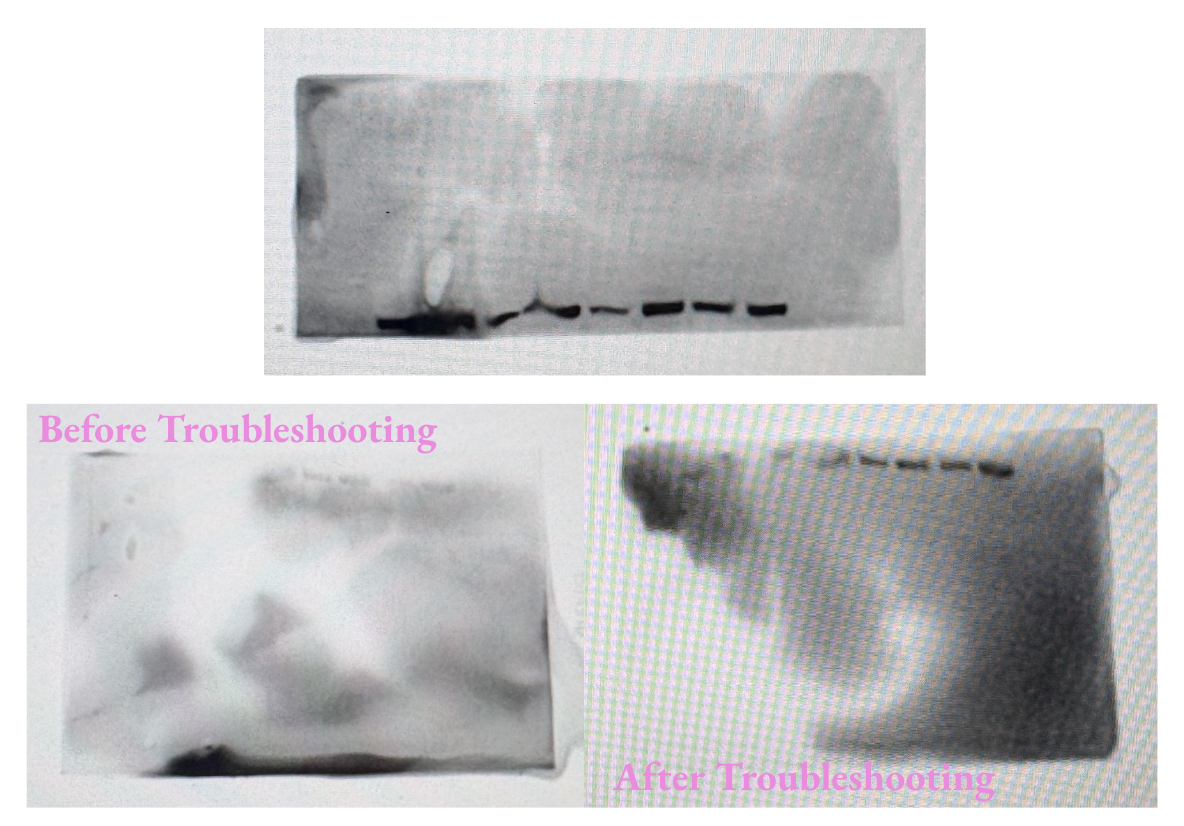
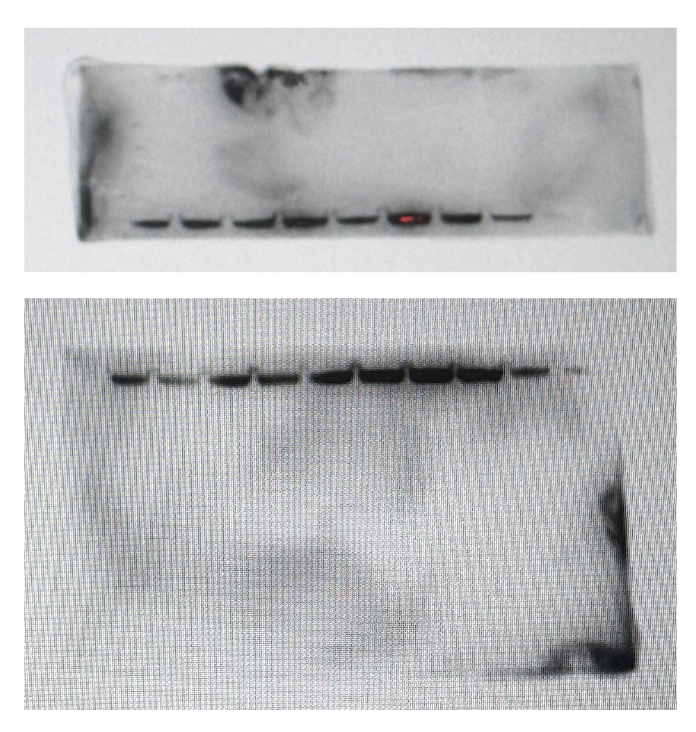
Although repeating experiments can initially feel frustrating, these moments taught me something far more important than simply following a protocol correctly. They helped me understand why each step matters. Rather than memorizing instructions, I found myself beginning to understand the logic behind the techniques, making me far more confident in troubleshooting when things don't go according to plan. Even experienced researchers encounter failed experiments and unexpected results, and learning to navigate uncertainty is simply part of becoming a scientist.
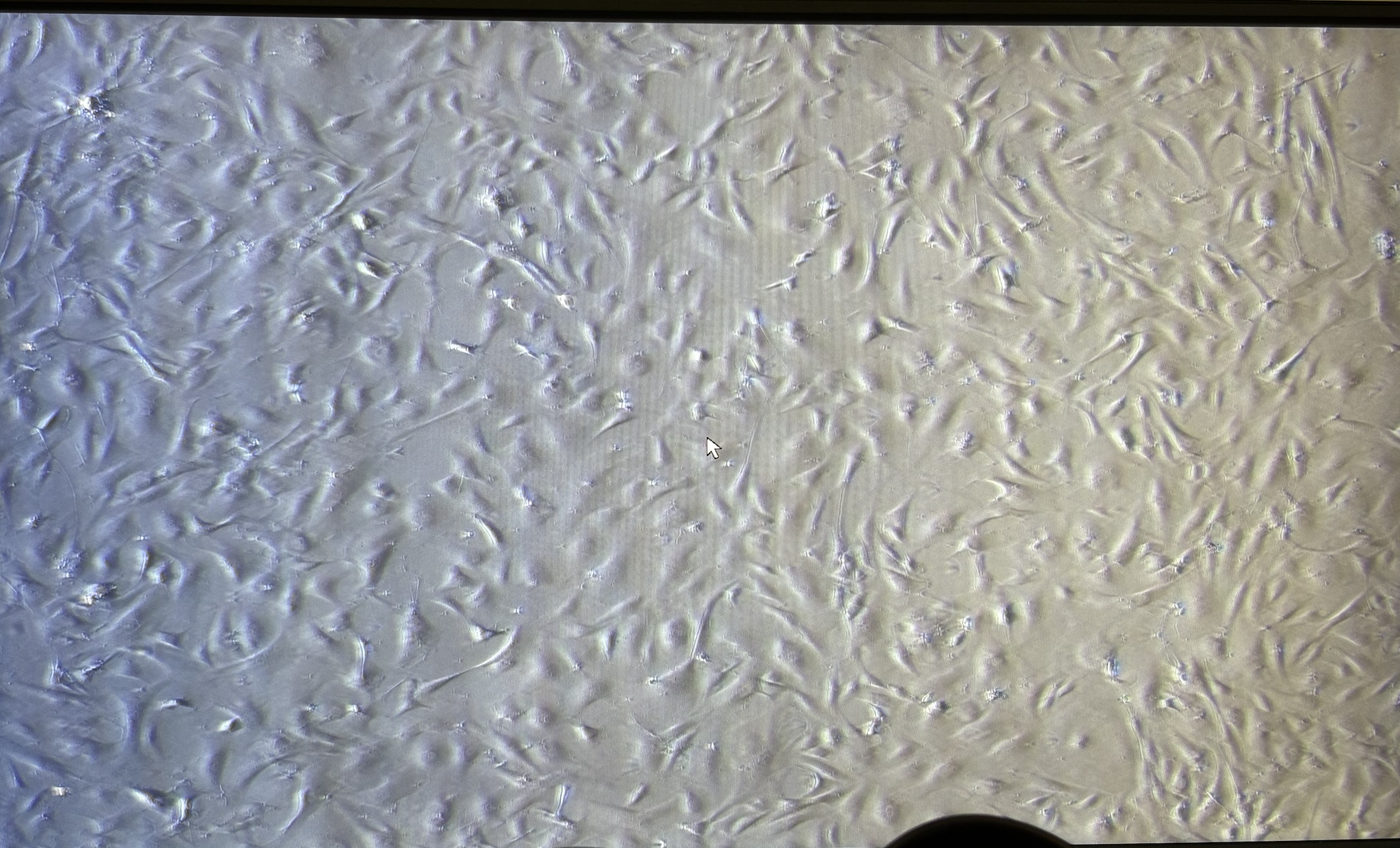
Outside my own project, I also had the opportunity to shadow a PhD student investigating cardiac fibroblasts isolated from patients undergoing pulmonary artery surgery. Watching her work within the tissue culture laboratory gave me valuable insight into the level of precision required when handling primary human samples under ultra-sterile conditions. It also gave me another excuse to admire some incredible microscopy images!
This week also brought some exciting news beyond the laboratory...
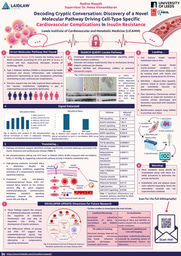
During the two and a half weeks between finishing my university exams and beginning this research project, I wanted to continue developing my scientific writing skills. I came across an opportunity to submit an abstract to the Genetics Society's RNA in Physiology and Disease conference. Since I hadn't yet begun my laboratory work, I couldn't submit original experimental data, so I decided to design my own bioinformatics project instead.
Using publicly available datasets from the NCBI Gene Expression Omnibus (GEO), I carried out an integrative network analysis of inflammatory microRNAs to investigate shared regulatory mechanisms underlying cardiovascular disease. While the project wasn't intended to produce novel discoveries, it gave me valuable experience in bioinformatics, scientific writing, and interpreting large clinical datasets. Additionally, the topic closely complemented my summer research project, helping me strengthen my understanding and prepare to step into the lab.
I'm incredibly excited to share that my abstract has been selected for presentation as a poster at the Genetics Society's RNA in Physiology and Disease Conference this September at the Frederick Douglass Centre, University of Newcastle upon Tyne!
I look forward to presenting my work to experienced professionals and fellow early-career researchers at the conference, and I hope the experience will help prepare me for the Laidlaw Conference at Imperial College London this October.
Looking back, this week wasn't defined by a new development or big-picture update. Instead, it marked a shift in confidence and critical thinking. Whether troubleshooting failed Western blots or designing and communicating my own research, I'm beginning to rely less on step-by-step instruction and more on my own scientific reasoning and reflection.
With the project now at its halfway point, I'm excited to see what the rest of my time at LICAMM has in store!
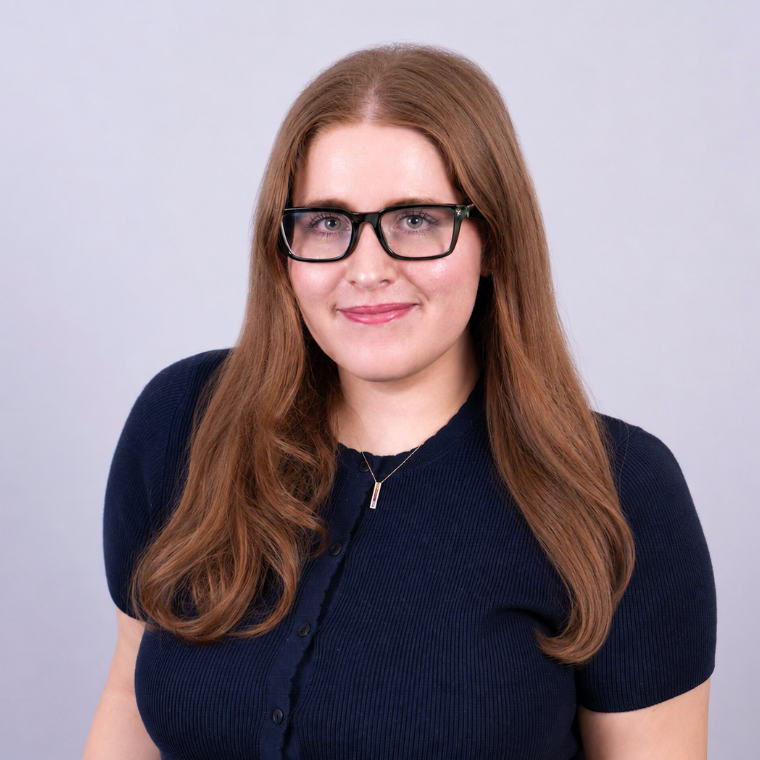
Hello! My name is Nadine, and I am a second-year Genetics student at the University of Leeds. I am interested in pursuing a career in research and global health, with a particular focus on cardiovascular science and immunology. I am passionate about addressing pressing global health challenges through impactful solutions that improve the diagnosis, treatment, and prevention of disease. I strongly believe that healthcare should be accessible to all communities worldwide, and I am committed to contributing to this goal.
Through my leadership and medical communications experience, I have developed strong interpersonal and organizational skills, and I am now eager to expand into more lab-based roles where I can contribute directly to improving patient care and advancing scientific research.
This summer, I will be joining a research team at the Leeds Institute of Cardiovascular and Metabolic Medicine, where we will investigate a novel molecular pathway involved in the progression of cardiovascular disease in individuals with insulin resistance. This opportunity will allow me to deepen my understanding of translational research and its potential to improve health outcomes.
Although still early in my journey, I am excited to begin my Leadership-in-Action project and explore how meaningful research can be applied to real-world health challenges. The Middle East faces a particularly high incidence of cardiovascular disease, with heart disease accounting for approximately one in three deaths annually and occurring, on average, at least a decade earlier than in many Western countries. As a Laidlaw Scholar, I hope to use my platform to contribute to tackling this growing crisis and promoting more equitable global healthcare outcomes.