Research Week 4: ColLABoration in Action


This week has been one of my busiest weeks so far, and things are only going to get more exciting!
One of my main focuses this week has been beginning my literature review. Looking back over the papers I've read since starting the project has been a great reminder of how much my understanding has developed in the past month and how much the project has evolved. More importantly, writing the review has helped me place my own experiments within the wider scientific landscape. Rather than viewing my project as six weeks of laboratory work, I'm beginning to see it as one small contribution to a much larger body of research investigating the molecular mechanisms underpinning insulin resistance. I hope the review will not only support this project but also serve as a roadmap for future research I may pursue during a placement year, my dissertation, or postgraduate study.
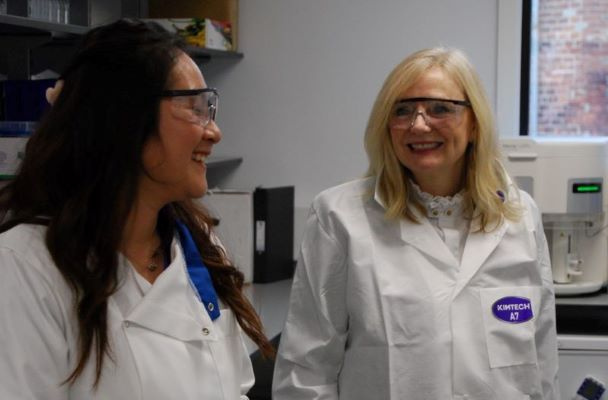
This week also took me beyond LICAMM with a visit to the Northern Cell Metrology Hub at the National Measurement Laboratory based at Nexus, the University of Leeds' research and innovation hub. It was fascinating to learn how the facility supports researchers across a wide range of disciplines through advanced cell measurement technologies. Next week, I'll have the opportunity to return and shadow one of the researchers while learning more about flow cytometry, a technique that will provide another perspective on how researchers investigate cellular behavior and protein expression.
Visiting the Hub also reinforced an important lesson about research: science is rarely confined to a single laboratory. Modern biomedical research depends on collaboration between specialists with different expertise, whether that's molecular biologists, bioinformaticians, imaging scientists, or clinicians. As projects become increasingly interdisciplinary, bringing together different technologies and perspectives is often what enables meaningful scientific progress and effective clinical integration.
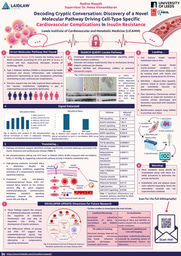
Alongside my Laidlaw project, I've also been preparing my poster for the Genetics Society's RNA in Physiology & Disease Conference this September. Interestingly, the bioinformatics workflow I developed for my conference abstract has become a useful blueprint for the next stage of my Laidlaw research. Applying similar analytical approaches to publicly available datasets has helped me begin exploring the wider molecular context surrounding my experimental work, demonstrating how skills developed through one project can strengthen another.
As the project moves into its final stages, I'm looking forward to expanding my skillset even further through flow cytometry, continuing my laboratory work, and bringing together everything I've learned so far. Scientific research isn't just about generating data, it's about connecting ideas, people, and technologies to answer questions that no single experiment could solve alone.
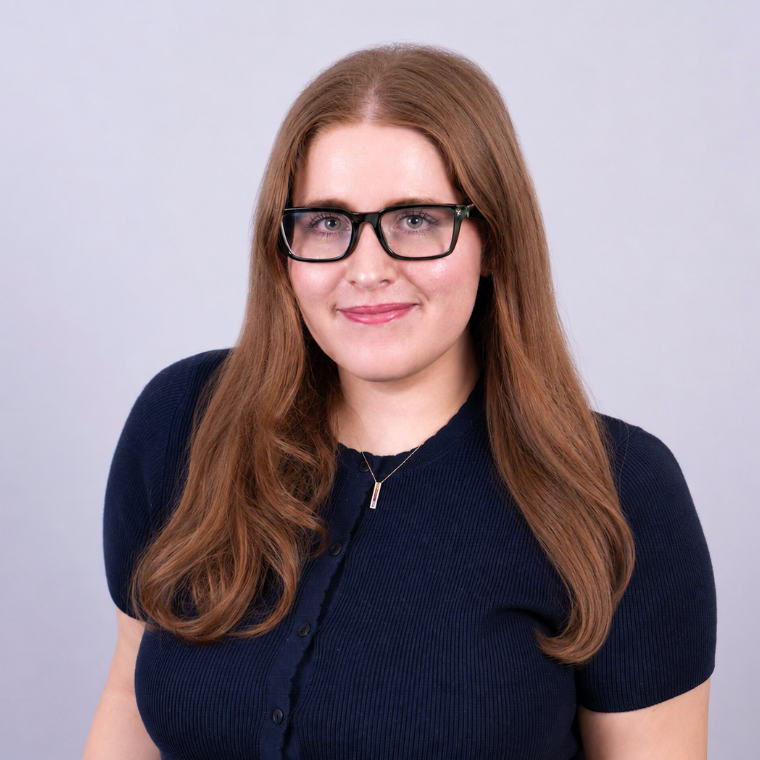
Hello! My name is Nadine, and I am a second-year Genetics student at the University of Leeds. I am interested in pursuing a career in research and global health, with a particular focus on cardiovascular science and immunology. I am passionate about addressing pressing global health challenges through impactful solutions that improve the diagnosis, treatment, and prevention of disease. I strongly believe that healthcare should be accessible to all communities worldwide, and I am committed to contributing to this goal.
Through my leadership and medical communications experience, I have developed strong interpersonal and organizational skills, and I am now eager to expand into more lab-based roles where I can contribute directly to improving patient care and advancing scientific research.
This summer, I will be joining a research team at the Leeds Institute of Cardiovascular and Metabolic Medicine, where we will investigate a novel molecular pathway involved in the progression of cardiovascular disease in individuals with insulin resistance. This opportunity will allow me to deepen my understanding of translational research and its potential to improve health outcomes.
Although still early in my journey, I am excited to begin my Leadership-in-Action project and explore how meaningful research can be applied to real-world health challenges. The Middle East faces a particularly high incidence of cardiovascular disease, with heart disease accounting for approximately one in three deaths annually and occurring, on average, at least a decade earlier than in many Western countries. As a Laidlaw Scholar, I hope to use my platform to contribute to tackling this growing crisis and promoting more equitable global healthcare outcomes.