My International Experience in Lesotho and Ethiopia with SOS Kinderdorf
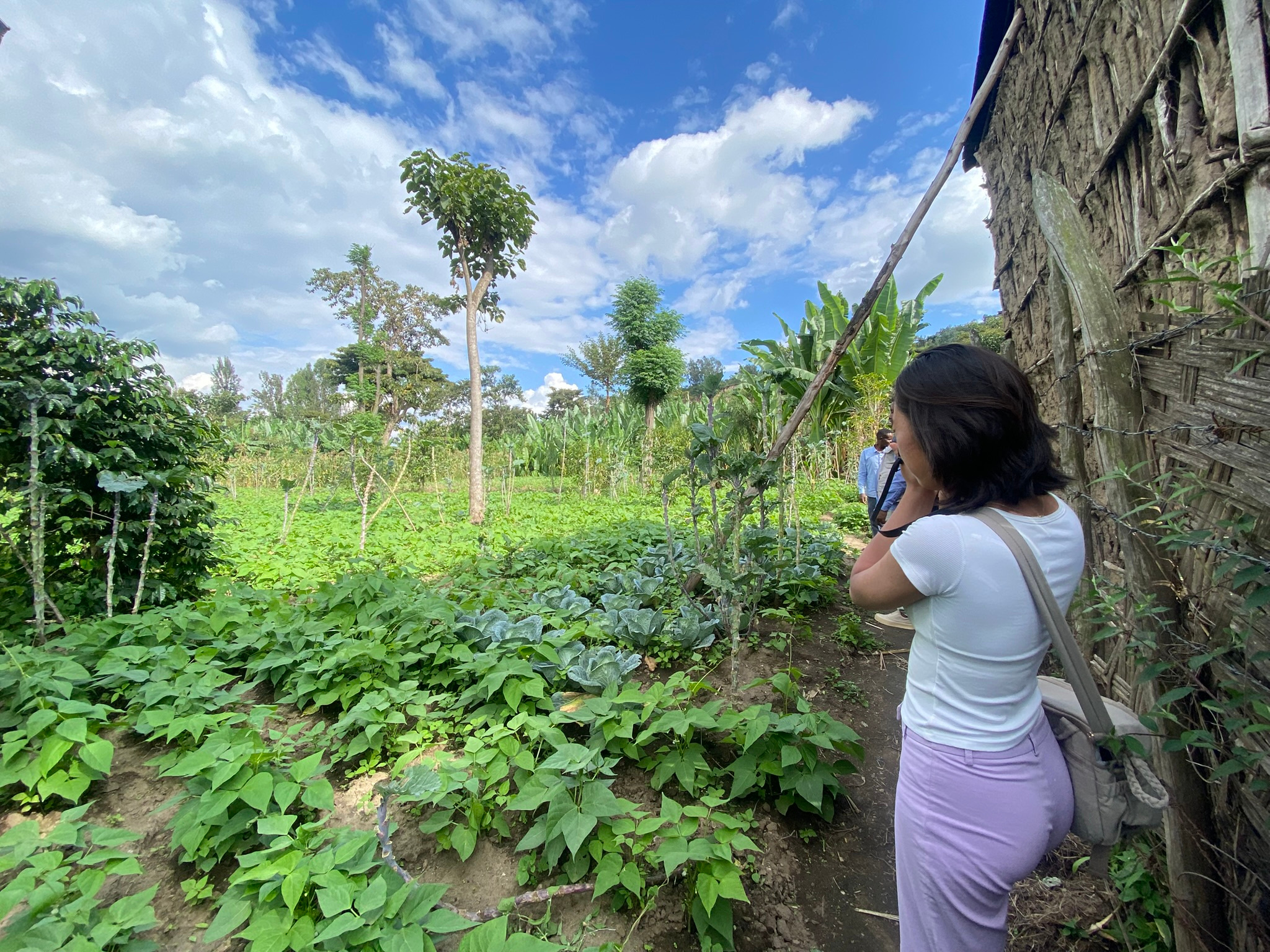

In the summer of 2025, I travelled to Lesotho and Ethiopia to work alongside SOS Children’s Villages, the largest non-governmental organisation supporting children without parental care and families at risk. This placement gave me a first-hand understanding of how international NGOs operate in complex environments, and how sustainable social change can be built through long-term, community-driven collaboration.
Travelling internationally as part of the Laidlaw programme reshaped the way I understand social mobility, inequality and my own position within both. Being in Lesotho and Ethiopia, issues such as limited access to sanitation, overcrowded classrooms, shortages of healthcare staff, and the near absence of government safety nets became visible and tangible. This was not merely an encounter with deprivation, but an encounter with the structural conditions that shape daily life for millions of people. Experiencing these conditions directly showed me there are dimensions of inequality that cannot be fully conveyed by reading or research alone.
My time in Lesotho made me acutely aware of how geography and infrastructure influence daily life. Lesotho is mountainous and highly rural. Most communities rely on dirt roads, unstable bridges and long footpaths to reach schools, clinics and workplaces. Many families do not have reliable access to clean water despite Lesotho being rich in water resources, and illness linked to sanitation remains common. Even simple tasks such as attending school require significant time and effort. We often travelled for hours along mountain roads to reach young people participating in SOS programmes; many of those same students walked for up to an hour each way merely to reach the pick-up point for SOS transport. These challenges are difficult to fully comprehend until witnessed directly.
In Ethiopia, I encountered a different but equally complex set of challenges. Rapid population in large rural populations places enormous pressure on education, health and social services. In many rural regions, schools are overcrowded, under-resourced or too far for children to reach safely. Sanitation facilities were inconsistent, especially outside major towns, increasing vulnerability to disease. While cities like Addis Ababa are expanding quickly, many rural families remain disconnected from basic infrastructure and public services. We saw how vulnerable families were to economic shocks such as poor harvests. Comparing these contexts to life in the United Kingdom helped me understand that poverty is not only a matter of low income, but also of absent systems: reliable healthcare, clean water, accessible schooling and social protection.
Alongside learning about social and economic contexts, I also learned how international NGOs can work sustainably within these contexts even if they may seem completely different to our own. The projects I observed were not charity in the traditional sense, but long-term processes focused on developing local capacity. SOS staff, caregivers, teachers, youth groups and caregivers worked collectively toward shared outcomes for children and families. Interventions were designed with communities rather than imposed upon them, which generated ownership, accountability and dignity. Community members were not positioned as passive recipients of aid but as active partners in their own development.
In both Lesotho and Ethiopia, young people were trained in vocational skills and entrepreneurship, using these skills to earn incomes, support their families and contribute to their local economy. What struck me most was how programmes consistently encouraged students to give back. We observed students repairing damaged homes for vulnerable children, making furniture, cooking meals and raising funds to purchase food and hygiene supplies. This model challenged the stereotype of youth in development contexts as beneficiaries of charity. Instead, they were leaders of change and contributors to their community’s wellbeing.
Culturally, both countries taught me important lessons. I was struck by the warmth, generosity and humour of the people we met, even in contexts marked by hardship. Hospitality was extended to us constantly. In Ethiopia, caregivers invited us into their homes to meet children, share food and listen to music. In Lesotho, young people proudly showed us the places where they studied and worked, and explained how they hoped to shape their futures. These encounters reminded me that resilience is not an abstract idea. It is lived through relationships, family networks, faith, creativity and community ties. It also made me reflect on my own assumptions and privileges. In the United Kingdom, I rarely have to consider whether the road to school will be washed away, whether medication is available or whether tuition fees will prevent a child from continuing their education. In Lesotho and Ethiopia, these questions are ordinary.
Overall, my international experience with SOS Kinderdorf was transformative. I learned about development not only as a research topic, but as a human and relational process. I learned that sustainable change relies on strong community partnerships, local leadership and long-term investment in children and families. Most importantly, I learned that those who are often framed as vulnerable possess strengths, skills and aspirations that already drive change from within their communities. It was inspiring to witness and humbling to be part of.