Mentor Meeting 1: Getting Started
This meeting was very constructive for understanding where I am now in the project, and where I am going next. There have been a few roadblocks already this week as I have started to get into Levitas' work and connect with potentially useful organisations, such as the People's History Museum in Manchester.
Following this meeting, I have decided to create a formal academic report displaying my findings over the six weeks. I aim for this to be around 5000 to 6000 words long, detailing my sourced literature and discourse analysis and my review of Levitas' work. A good way to get understanding of how this should be structured would be to look at journals to use as templates, which would be a good task to get underway in week 2.
We also discussed the potential of incorporating quantitative analysis to aid my qualitative research.While Levitas focuses exclusively on qualitative aspects, I could adapt my style from her work to be almost 'descriptive quantitative research' to understand the frequency of discourse use. While this is not set in stone, it is under consideration to broaden the scope of the project.
Related to this, we have discussed the need to understand a discourse analysis system in order to understand the discourses identified. This is something we are working on to design and ensure that I can code the sourced literature. I have estimated three days needed for complete discourse analysis.
FOLLOW UP ACTIONS:
- Complete Levitas book and write up of findings.
-
Find template journal articles to take inspiration for your own set up for the academic paper. Make a short list of three or four, including Levitas’ journal articles.
-
Look through and make notes on coding schemes. Once complete, complete some test analysis on published text.
-
Create a Drop Box account to enable collaborative working between myself and Dan.
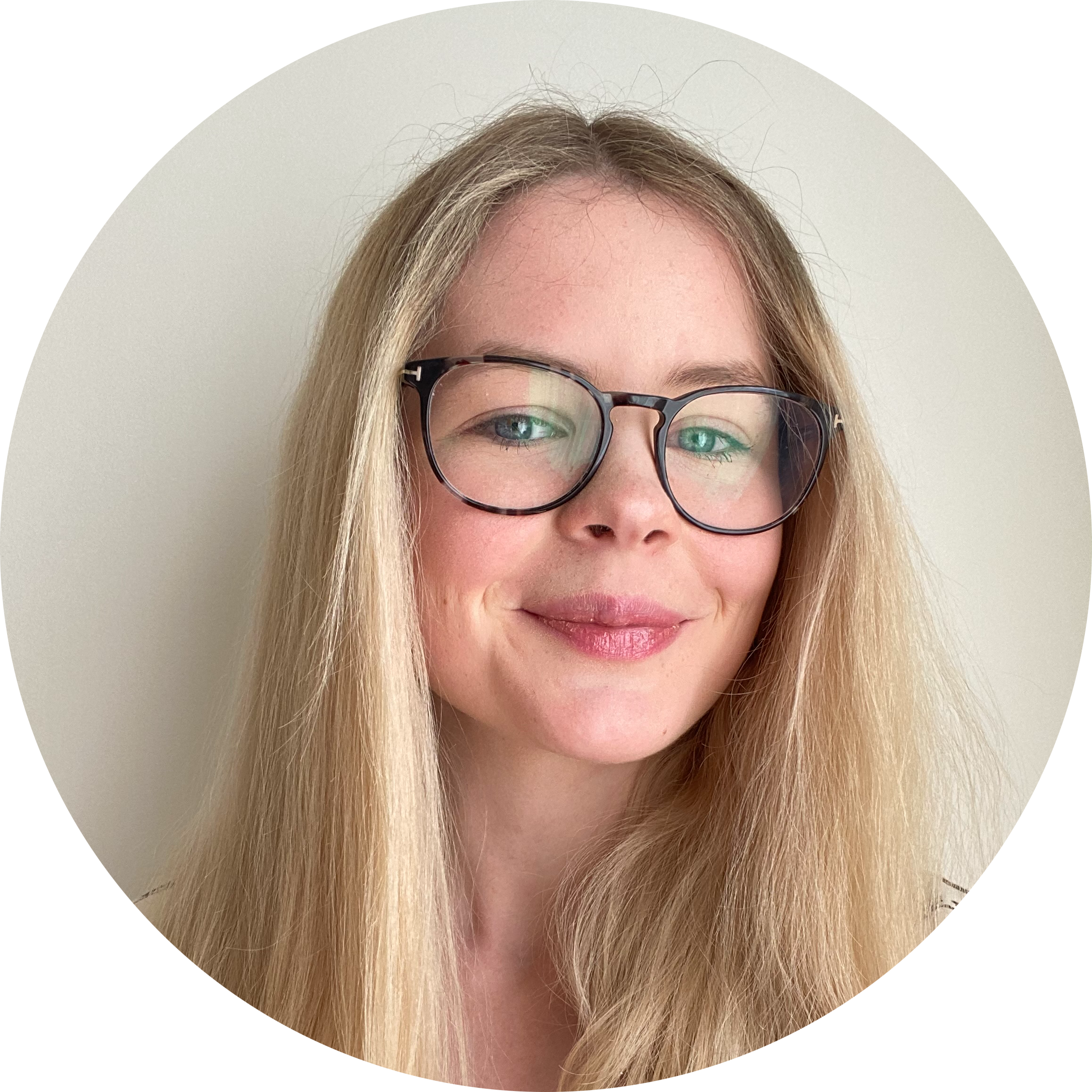
I am a 2021 Laidlaw Scholar from the University of York, focusing my research on the question: How was the U.K. Labour Party changed their discourse and proposed to challenge domestic poverty and inequality since 2010?
I have been involved in Politics at a local, grassroots level, including community campaigning, and previously worked for Rachel Reeves MP in her constituency office. As a Politics student, I am interested in all things political and anything related to International Relations, with particular interest on the European Union, Women in Politics and International Development.