LiA Journal Entry 2
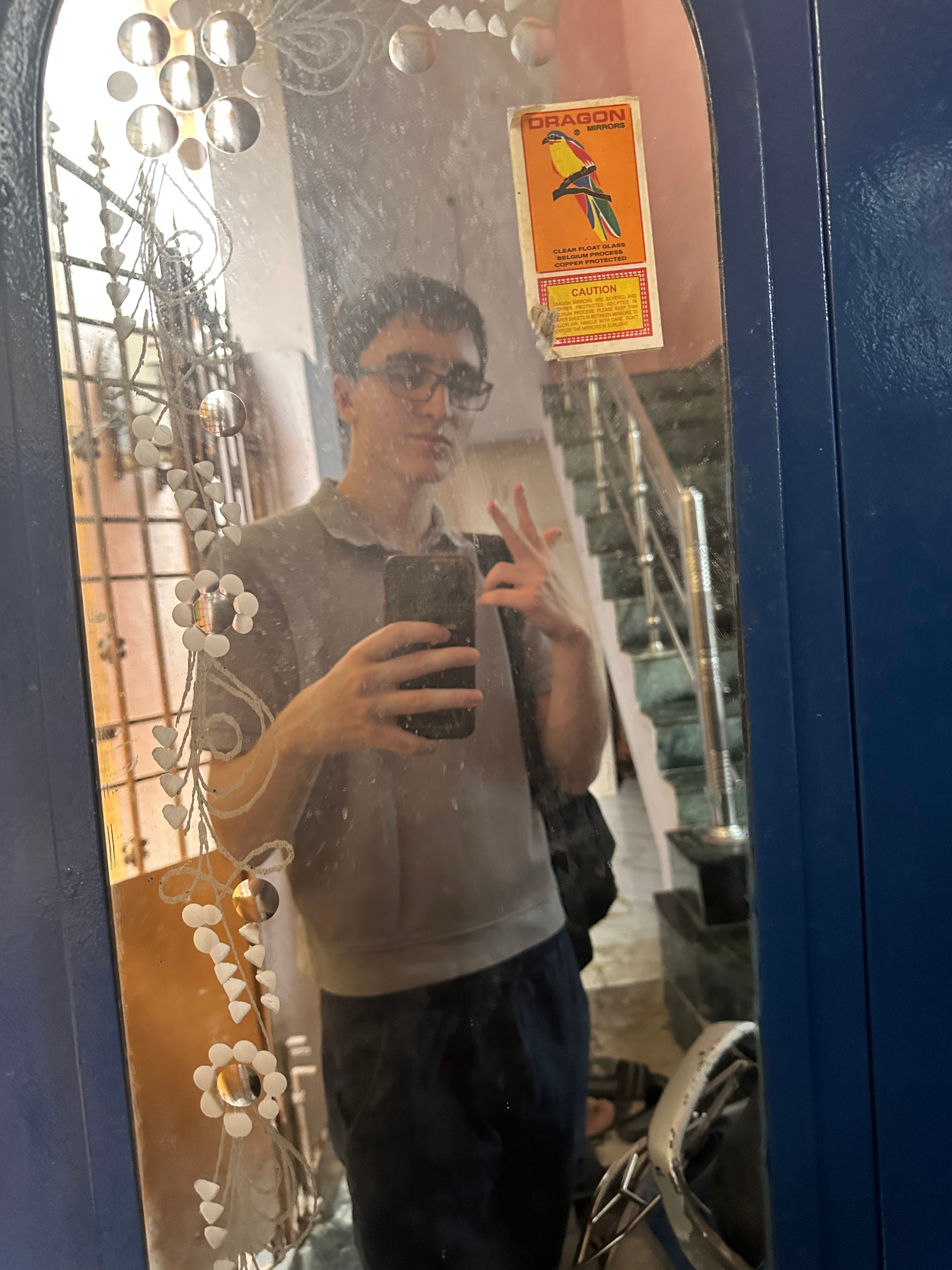 My first week with Arunodhaya was a little chaotic. My stated mission was to help them with their educational initiatives, but it wasn't immediately clear exactly what form that would take. Through discussions with the organization's various executives (particularly their leader, Dr. Virgil D'Sami), we ironed it out into a clearly-defined role which I've carried into my second week of work. I've been tasked with designing lesson plans for two different sets of students: an English curriculum for high-school-aged students in the region of Tiruvottiyur, and a combined English/science curriculum for elementary and middle-school-aged students in Korukkupet. The image above shows me just before heading in to teach an English class at the former location. And these work weeks are certainly not easy. Korukkupet and Tiruvottiyur are both quite remotely located, about an hour away from my own residence. They are also both slums- this is a word I feel bad using (considering that, in American culture, the word is inherently pejorative), but that is how Arunodhaya itself describes them. And it's hard to say the description is inaccurate. The access students have to basic amenities like plumbing and electricity is extraordinarily limited. Air conditioning is nonexistent- a real issue considering the record-breaking heat this summer has brought to southern India. Yet it is abundantly clear how much Arunodhaya has helped these students. It's a living testament to the power of genuine care and effort: how it can outweigh a lack of material and financial resources, providing these kids with an education they would've never received had nobody bothered to help them. So, surrounded by colleagues who devote so much of their own time and effort to the edification of these students, I feel a sense of responsibility to design and teach my own lessons with as much care as possible.
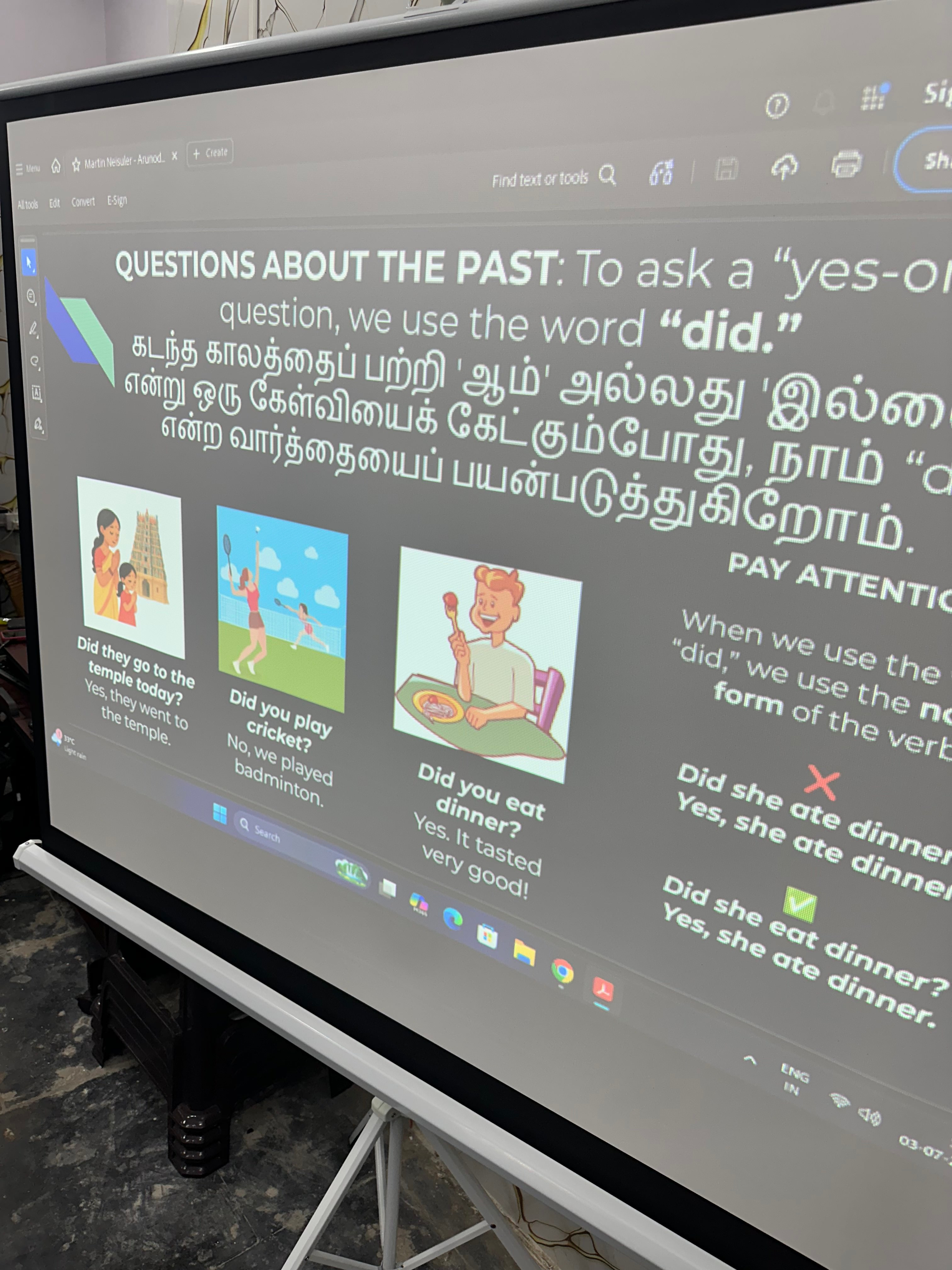 The above image- one slide from my most recent English lesson, on the simple past tense among some other grammatical structures -shows some examples of that care I've been trying to put in. For one thing, I have to strike a balance between the southern Indian culture the students are familiar with and the American English culture I volunteered to teach: using familiar concepts like cricket and Hinduism to illustrate grammatical rules, say, or identifying English mistakes commonly made by Tamil speakers and specifically designing lessons to counteract these mistakes. But moreover, I've been faced with a somewhat daunting task: designing not only the lessons but the very curriculum entirely by myself. Granted, I was provided with a general syllabus to follow for the English lessons, and I was instructed to follow the official textbooks of the Indian government in designing the science lessons. But I have my own issues with those guidelines. I'm always hesitant to critique the traditions of another country- I'm sure the Indian government has extremely talented experts helping them design these courses -but I do find myself questioning the actual pedagogical effectiveness of this educational structure. A student in the younger class (in Korukkupet) showed me a chapter in a textbook of hers the other day, discussing the role of the notochord in vertebrate embryonic development. This is a concept my fellow biology majors- in COLLEGE -often struggle with. And this same student had issues understanding a previous lesson on the basic structure of cells. My goal with these lessons- what I was tasked with by Arunodhaya -is to help these students attain true understanding, true comprehension. And I find it virtually impossible, as I'm sure any teacher does, to teach such esoteric concepts without first establishing the basics. It feels like telling kids to jump to the top of a staircase instead of walking up step by step. But these kids really want to understand the arcane material in their textbooks, and I want to help them reach that point. So I have this incredibly precise balance to strike: I can't move so slowly that we don't cover any higher-level concepts, and I can't move so quickly that I leave them all behind. It's difficult, but my colleagues struggle with the same issue, and we do this work as a team. The ultimate mission here is to help these underserved students learn valuable lessons in English and science, in ways which will benefit them for years to come. This is not the sort of mission that can be fulfilled without putting in serious effort.
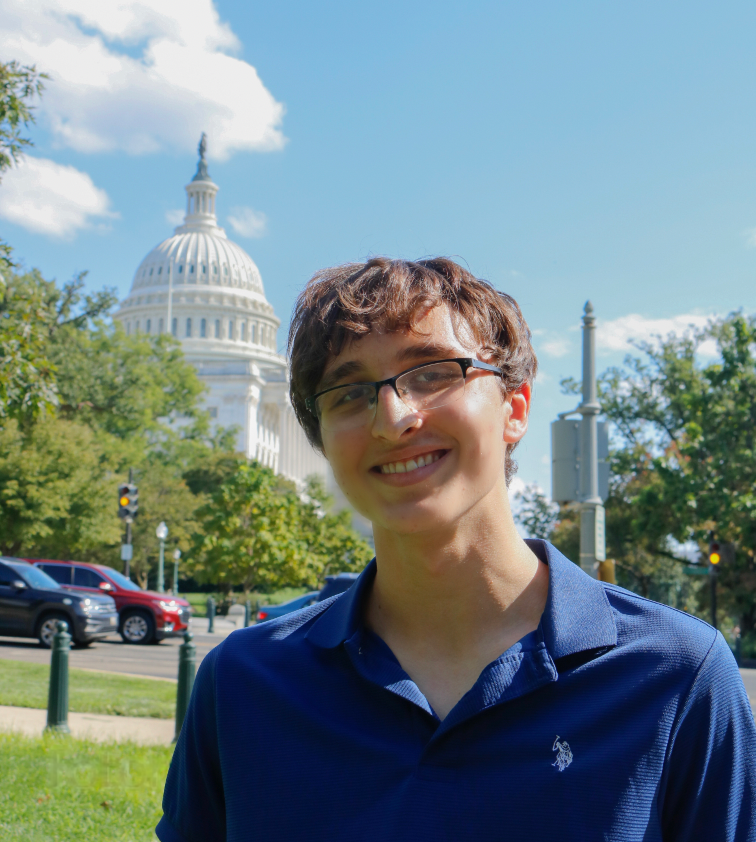
Hi, everyone! I'm Martin. I'm a third-year student at Georgetown majoring in Biology (with a concentration in Molecular Bio), and I'm planning to minor in Japanese. My focus has always been on cancer biology; so many people I've known have been affected by it, and my life's goal is to contribute to a cure. I'm half-American, half-Bulgarian, the child of two diplomats; I speak English fluently, and intermediate Bulgarian, Japanese, and Spanish. I have a lot of different interests outside of science: basketball and baseball, chess, politics, music, literature, and a whole list of other things that's way too long for this blurb. Here's a random fact about me which I think is kinda cool: I once saw the tallest manmade thing on Earth (the Burj Khalifa) and the tallest thing on Earth, period (Mt. Everest) from the window of the same flight!