LiA Journal Entry 5
There's been a sort of feeling I've noticed recurring over and over again throughout my time here in Chennai: one where, not only am I experiencing something for the first time, but the circumstances in which I experience it are also particularly strange even by the standards of a seasoned veteran. I'd only been to Chennai a single time before, on a week-long school trip -yet the next step up from that was to start living here for multiple months, getting utterly immersed in the culture and slowly getting sick of mangoes. I'd never ridden a motorcycle before, up until I had to take one to one of Arunodhaya's Guided Learning Centres; this first-time motorcycle ride would've been a bit overwhelming even without the road in question being a poorly-paved and obstacle-filled freeway in the slum of Korukkupet. And more than anything else, I've felt this way about my teaching experiences here. Putting aside a scarce few times tutoring a classmate who wanted an essay reviewed, or a brother who didn't really understand AP Chemistry, I'd never done anything even resembling teaching. And yet, my first teaching experience- of ANY kind -has involved me personally designing and delivering a comprehensive yet succinct curriculum for two different classes, in two different subjects, in front of students that speak virtually zero English. These sorts of experiences draw from two aspects of my own character above all else: the drive to understand the importance of the work I'm being called upon to deliver, and the courage to push past any nagging fears and doubts about my own capabilities. I have to actively work to silence that voice in my head telling me I'm totally out of my depth (a voice which I'm sure is not unique to me). I have to remind myself to be confident, to believe in my own interpersonal and educational talents, honed through many years as an engaged student (even if I've never been on the other side of the classroom). And in addition to that, I constantly remind myself of the importance of this work whenever my motivation begins to wane. The students Arunodhaya works with are seeking crucial educational opportunities which they've never been afforded in their whole lives. I would be remiss to not offer those students whatever efforts I'm capable of- and to quiet all my doubts about my ability to do so.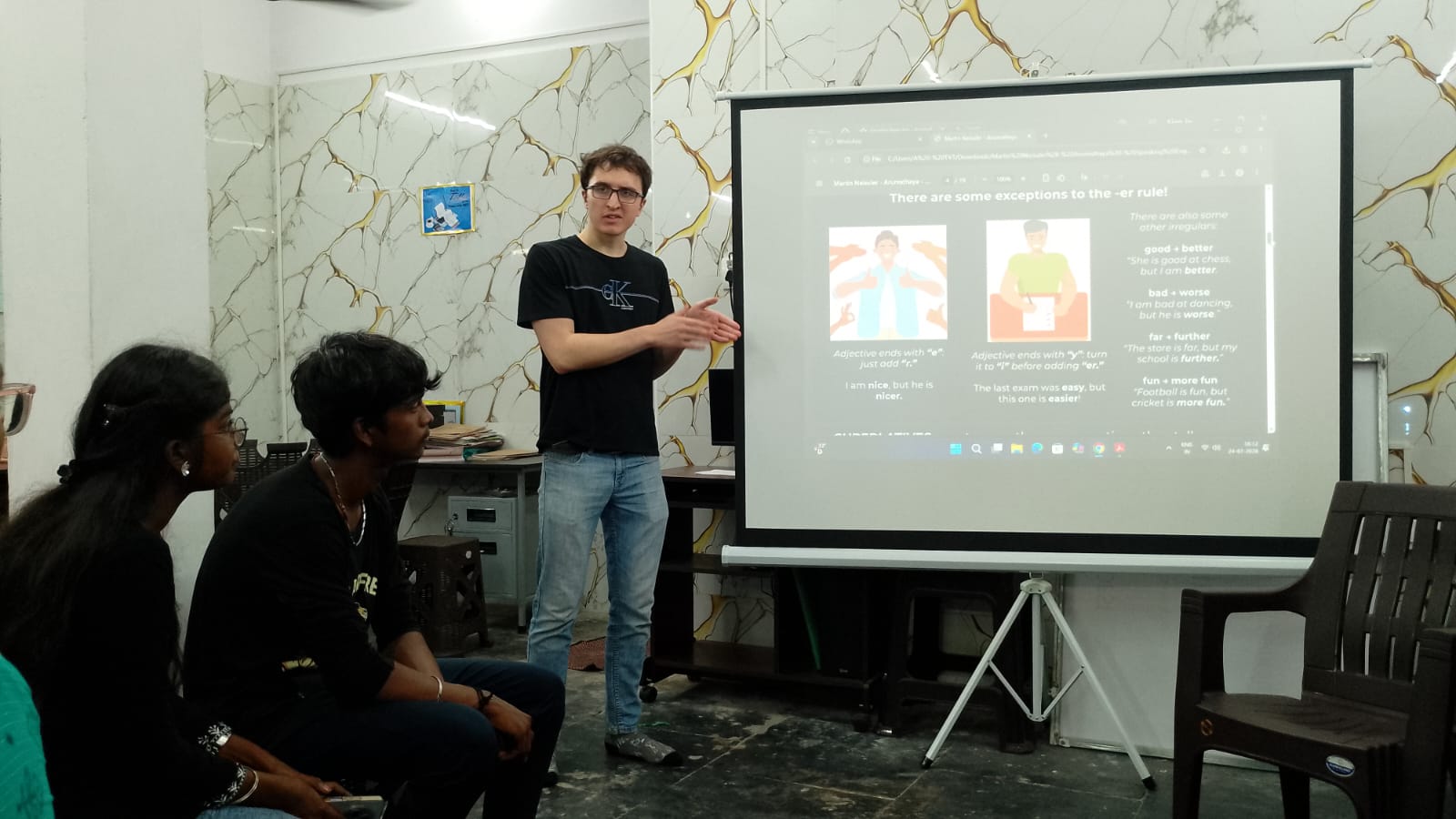
So, that's the pattern: I'm confronted with new responsibilities of such a scale that even a seasoned pro would be overwhelmed, and I have to struggle mightily to quiet my own trepidation, with this struggle fueled mainly by the knowledge that this work is too important to avoid. This pattern has come up again and again, but I've been feeling it even more than usual as I begin to approach the end of my two curriculums. (Curricula? ...eh, Google says both are fine). Just as designing my final research poster and getting all the requisite deliverables in order was likely the hardest part of my Laidlaw research last summer, I find myself intimidated by the question of what sort of capstone lesson I'll be sending my students off with. The lessons so far have helped my students in their everyday lives, and they've told me so directly (to my great fulfillment). But what I truly want is to be able to put a bow on all these lessons in some neat way- some final project or assessment which ties together everything we've learned into one comprehensive package. My instincts from my time as a student send me in all sorts of directions. Should I design some sort of written exam, for example? Sure, I can grade students' papers, but that'd only serve as feedback- only an officially-certified schoolteacher's grades would be meaningful to employers and higher educators. Should I organize some sort of in-class presentation? That's what I'm leaning towards (as I was instructed by Arunodhaya to focus on spoken English), but I'd have to account for the added complication that students may be particularly afraid to make mistakes when speaking in front of the whole class. And for any sort of capstone project, there's an obvious concern (which has come up even in my normal lessons). One class is late high school age, and the other is more around elementary and middle school. Even if they all started at a similar level of English (i.e. virtually none), there's a sizable gap in academic experience which I have to account for. How do I strike that balance where both groups feel fulfilled, where I neither bore the older students nor overwhelm the younger ones? For all of these decisions, I need to draw on equal parts collaboration and accountability: working with my colleagues to understand what sort of lesson structure would serve the students the best, yet taking on myself the responsibility of envisioning and delivering those lessons properly. None of this will be easy; my skill of proper judgment is certainly being tested here. But so far, I've been executing my lessons successfully, and I've seen tangible improvements in the English and science abilities of my students. So despite all the aforementioned difficulties, I'm confident that we'll reach the finish line undeterred. 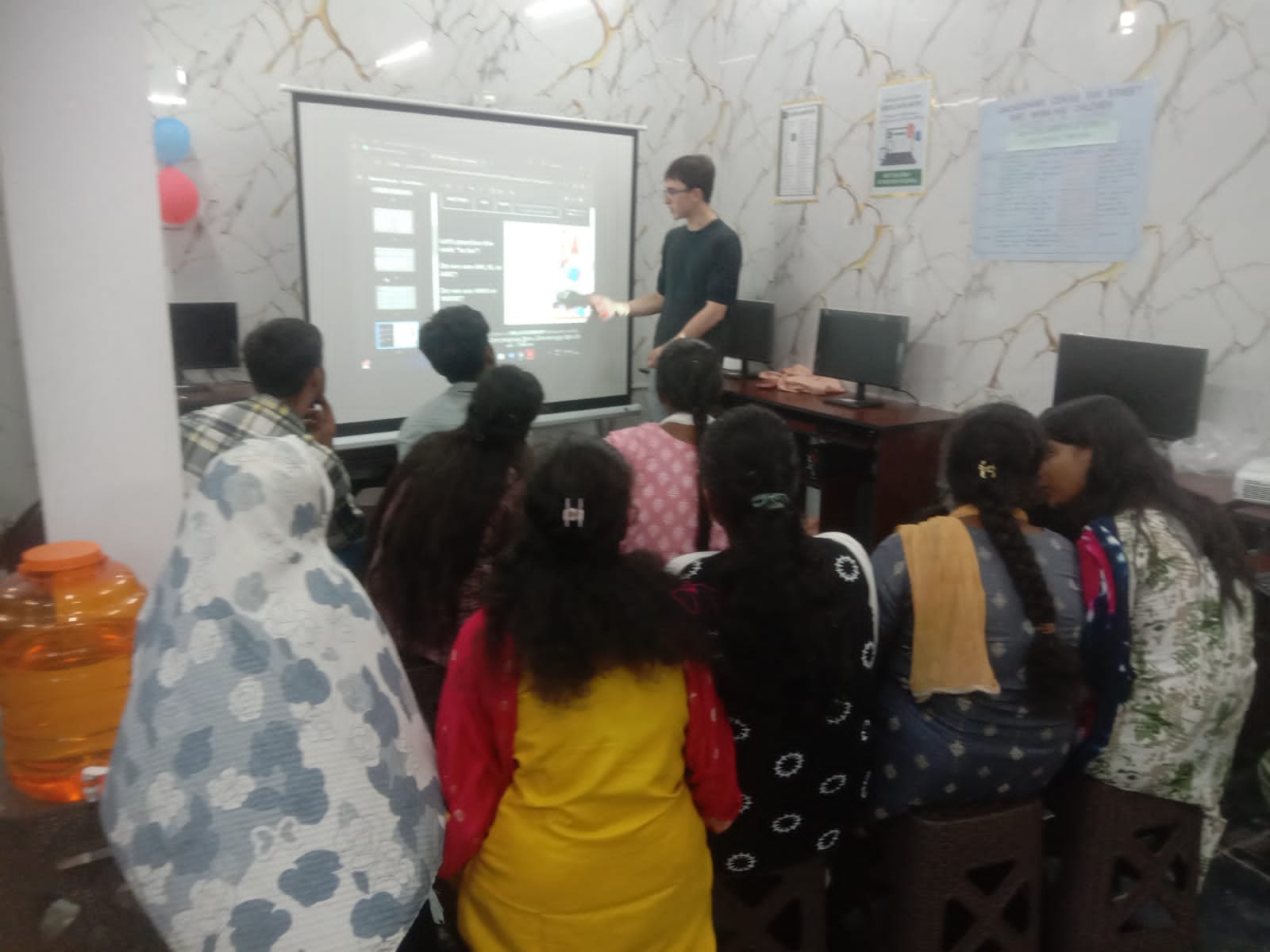
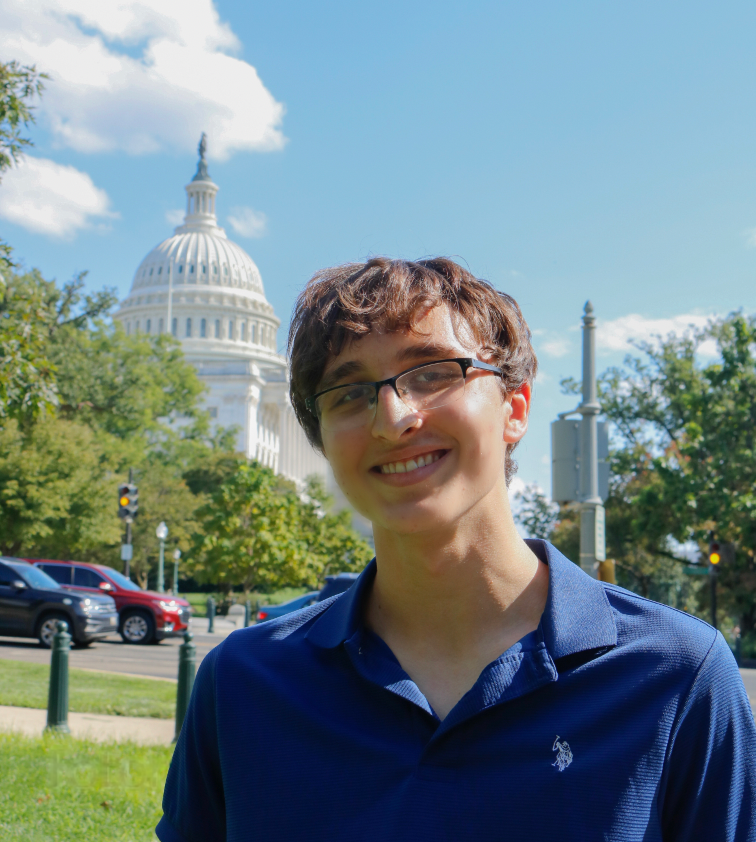
Hi, everyone! I'm Martin. I'm a third-year student at Georgetown majoring in Biology (with a concentration in Molecular Bio), and I'm planning to minor in Japanese. My focus has always been on cancer biology; so many people I've known have been affected by it, and my life's goal is to contribute to a cure. I'm half-American, half-Bulgarian, the child of two diplomats; I speak English fluently, and intermediate Bulgarian, Japanese, and Spanish. I have a lot of different interests outside of science: basketball and baseball, chess, politics, music, literature, and a whole list of other things that's way too long for this blurb. Here's a random fact about me which I think is kinda cool: I once saw the tallest manmade thing on Earth (the Burj Khalifa) and the tallest thing on Earth, period (Mt. Everest) from the window of the same flight!