LiA #1: You Can't Serve a Community You Don't Listen To
This week marked the beginning of my Leadership in Action (LiA) project with the New York Public Interest Research Group (NYPIRG), the largest grassroots-funded nonprofit organization in New York State. After flying back to New York on May 25 after participating in a focus group that helped attorneys evaluate a multimillion-dollar civil lawsuit, I immediately shifted my attention to student advocacy and public-interest work through my LiA placement.

₊˚ ✧ ━━━━⊱⋆⊰━━━━ ✧ ₊˚
Working alongside my supervisor, I began developing a financial aid workshop for NYPIRG's Student Empowerment Series. This workshop will help underserved college students better understand financial aid policies, tuition appeal processes, and student loan repayment options. As part of NYPIRG's broader consumer protection and empowerment series for CUNY and SUNY students, the workshop is designed to equip participants with the knowledge and tools needed to understand their rights, navigate complex financial aid systems, and stay informed about policy changes that may affect their educational opportunities.
This week, my primary focus was on establishing the project's scope and identifying the information students need most. We discussed how recent and proposed changes to federal financial aid policy may affect students' access to aid, borrowing options, and repayment plans.
We also began outlining ways to present complex policy information in a way that is both accessible and actionable. One of my SMART goals for this project is to create educational materials that empower students to advocate for themselves when navigating financial aid systems.
₊˚ ✧ ━━━━⊱⋆⊰━━━━ ✧ ₊˚
Reflections:
If you are reading this, consider your positionality.
Going to Barnard College after matriculating from a Title I public high school and being a part of my high school's first graduating class, I made the decision at 17 to attend a school with a plethora of resources and an academically rigorous environment. This decision was non-negotiable for me. I willingly took on the debt and moved far away from the only place I had called home.
Throughout that decision, I've stayed committed to advocating for students who come from backgrounds similar to my own. However, among the abundance of resources available at Columbia and Barnard, including guaranteed access to academic advisors, smaller class sizes, libraries, subscription services, and guaranteed housing, I've slowly become disillusioned with the reality that many other students face, and, unfortunately, have come to take these resources for granted. Naively assuming that everyone else has the same opportunities.
The reality is that these vital resources for growth and socioeconomic mobility just don't exist for everyone.
I am privileged. I am among the privileged few.
After spending much of my undergraduate experience highlighting my underprivileged background, I had become blind to the resources and opportunities I've been able to take advantage of, resources and opportunities that many students simply do not have access to.
On the side, I also work at Sweetgreen, where my coworkers often express frustrations about the lack of support and resources available to them as not only college students, but native New York citizens.
Those conversations have opened my eyes. They've shown me that if I want to continue advocating for the communities I come from, I need to stop speaking and start listening.
Listening to the students who continue to trudge through obstacles designed to make their journeys harder. Listening to their frustrations, honoring their stories, and using my privilege to help ensure that their voices are heard and represented.
Laidlaw is a very prestigious scholarship. Barnard is a great school. These are opportunities that I'm undoubtedly grateful for.
However, I urge all of you to consider your positionality when helping the communities you're working with this summer, and the ones that come thereafter. Whether it's through research, on-the-ground work, or simply through conversations with community members, I implore you to remember your positionality.
Keep an open mind, and don't be ashamed to acknowledge the privilege you have. In my experience, meaningful change begins not with only speaking for communities, but with recognizing where you stand in relation to them.
That acknowledgment and humility can take you further than any title, scholarship, or leadership position ever will.
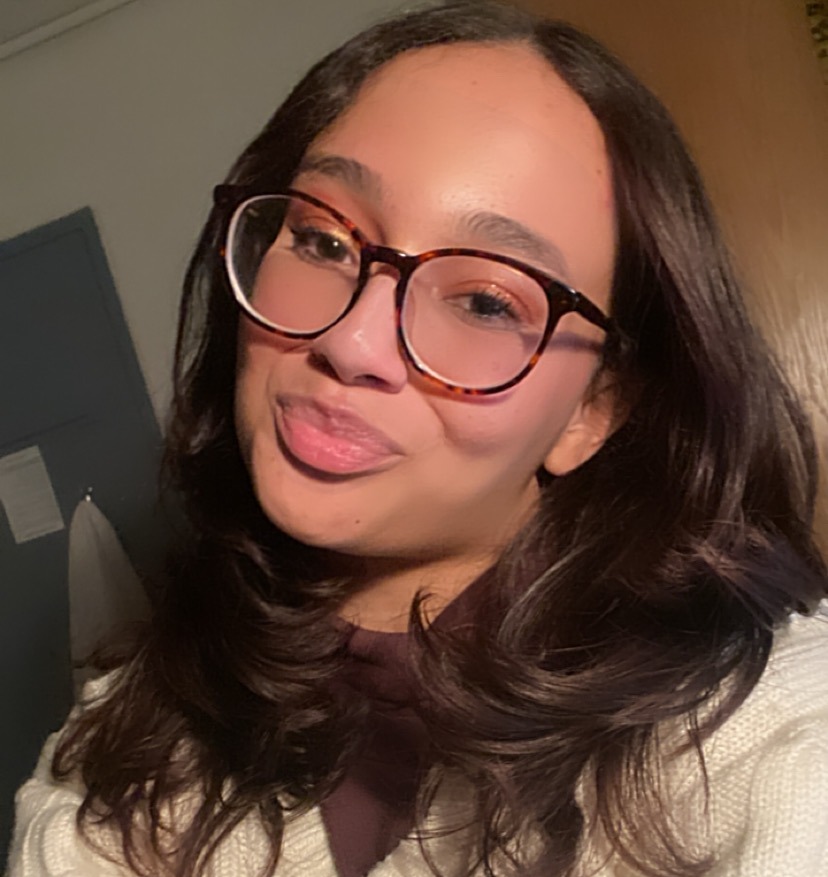
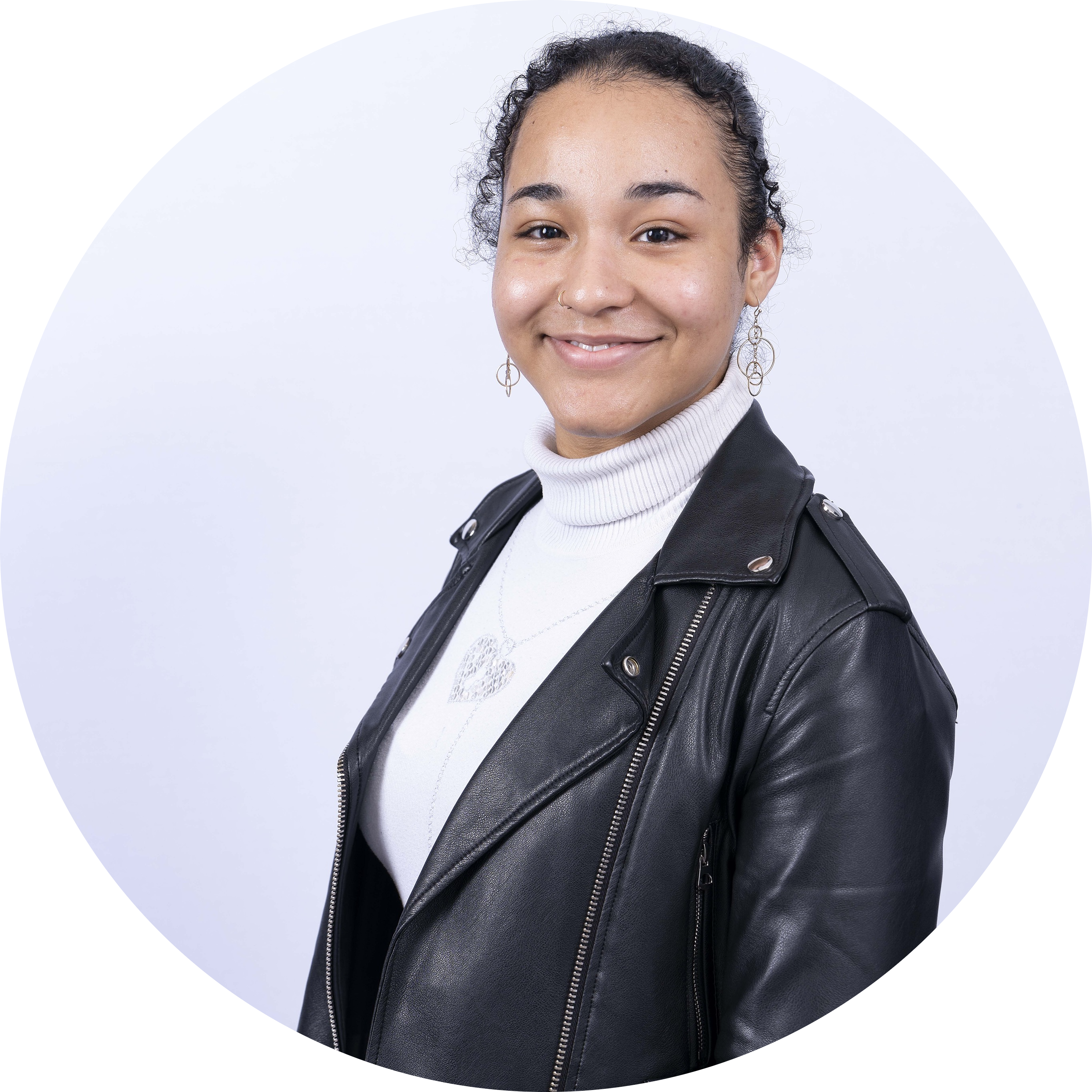
Terrah is a rising senior at Barnard College of Columbia University whose work focuses on educational equity, financial literacy, and college access. At 17, she founded Danalize, an initiative that helps students navigate financial aid offers, advocate for appeals, and build financial literacy skills. Through this work, she has supported more than 500,000 students worldwide.
Terrah currently serves as Director of Financial Education at College for All, where she mentors students and develops resources reaching over 15,000 learners globally. She also contributes to the Academic Social Contract with Class Action, collaborating with students and legal professionals to advance equity in higher education. As Director of Operations for Connect on Campus, a nonprofit she helped found, she has supported fundraising and operational efforts that have helped students cover essential educational expenses.
As a Laidlaw Scholar, Terrah researched the relationship between financial literacy and college access. Her work was selected as one of 25 projects across North America for publication through the 2025 Laidlaw Conference and Taylor & Francis. She has since presented her research at Harvard University and served as a student advocate on issues of economic opportunity and mobility at Barnard College faculty events.
Her work has earned her a Truman Scholarship nomination, recognition as a Yale Launchpad Scholars finalist, and the Rising Star Leadership Award for her commitment to educational equity and student success.
In her free time, she enjoys café hopping, coloring, and playing Tomodachi Life.
She can be contacted at: tdg2124@barnard.edu for any inquiries or requests for mentorship! :)