Halfway Thoughts: LiA Leadership Reflection


Having now completed my third week of my Leadership in Action project, I can say that changes in perspective can arise quickly. In 15 days I have grown to understand much more about the diverse capacities and characteristics of leadership in itself, and how to apply them to a local issue reflecting a larger system.
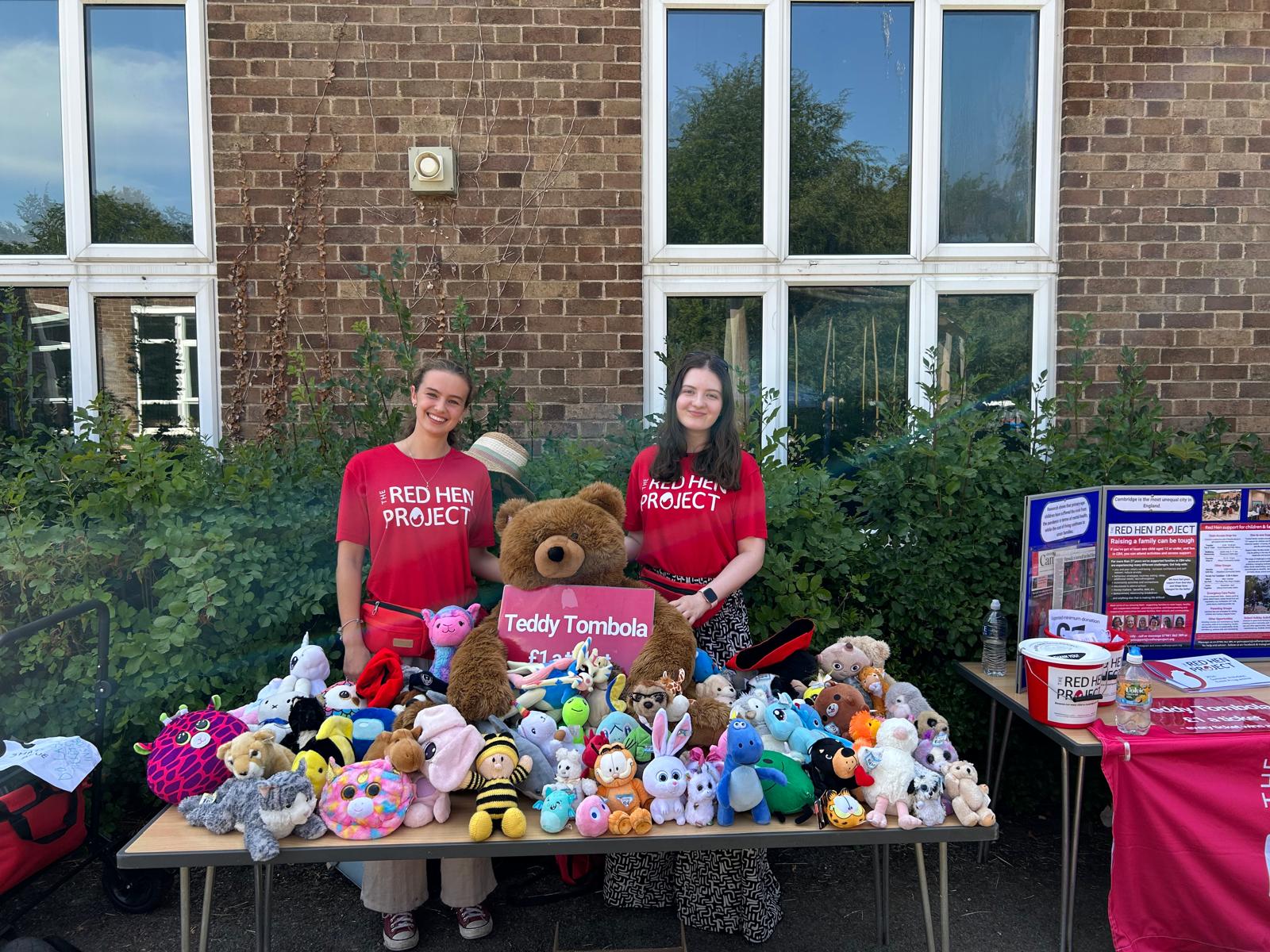
My project with the Red Hen Project is curating a report of the families of Abbey, a deprived ward in eastern Cambridge, so that they can expand their services to the area. It is entirely focussed on ethical engagement, by understanding what the community needs so that they can then implement meaningful support that will make impact.
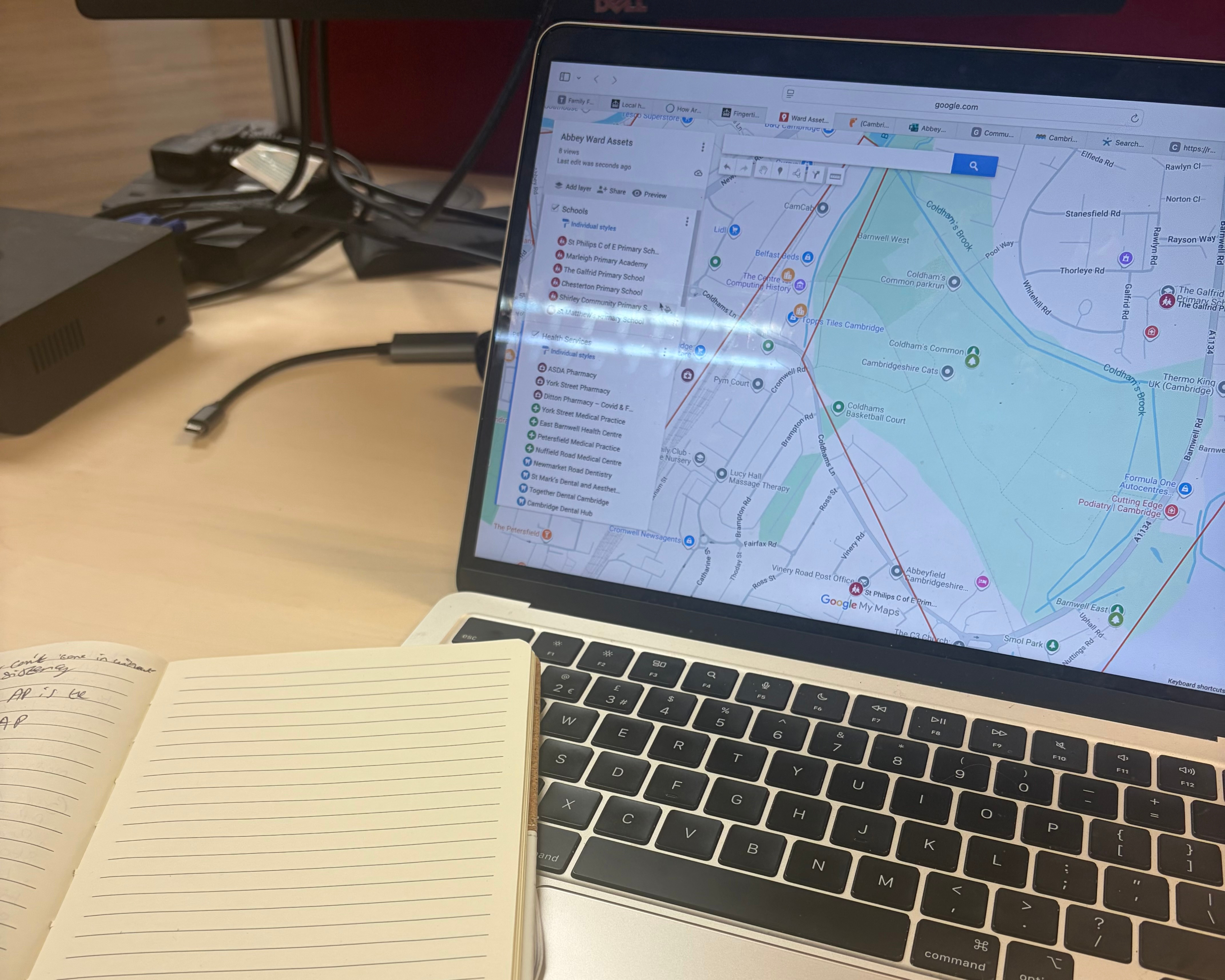
The first two weeks comprised mainly of desktop research - understanding the demographics of Abbey and which services were most involved with families in the area. Within these first two weeks I questioned how I was developing my leadership, for although I was working towards my goal I felt as though I had no progress on understanding what the actual needs of the community were. By this point I had utilised project management skills to create a project plan, had finished desktop research over a week and a half earlier than planned, and had begun participating at charity events which had previously been scheduled for week 4. I was confused about my priorities, where I had misjudged timings and was generally at a loss at which direction to go next without straying too far from the plan.
However, upon further reflection I noticed how these 'mishaps' or changes in plan actually demonstrated some of the core Laidlaw values. By finishing desktop research early I had been Fast and thus efficient in my work, not spending precious extra time when there were other priorities. By attending events early I was therefore Determined to make most of this extra time to deepen my understanding of the charity. Additionally, I was Brave when asked to try to calculate social value - something I hadn't previously heard of - and took initiative to understand the process and incorporate the unfamiliar task into my project.
Suddenly, small things that I had understated to just being organised or just doing desktop research, actually revealed themselves to be integral qualities in a leader.
Even so, I was contemplating how my project was serving the community. By the end of the second week I had begun contacting relevant services and stakeholders for interviews, and during the third week had begun to conduct them. Immediately, talking to people gave me much more insight into what the community actually struggled with compared to the statistics and digital reports I had previously relied on. Abbey Ward's life expectancy is predicted to be about 11 years less than the rest of Cambridge, and upon consulting relevant stakeholders some of the systemic reasons for this became much more apparent, many relating to social determinants of health (if you are interested in this topic reach out to @Lauren Landowski who has some great insights from her project). The information I received from interviews combined with the initial secondary research was integral to opening up new opportunities for research and analysis.
That's when I understood that action is what defines being a leader, and that although the background information is necessary for a wider picture, directly talking to the community is what give you the most worthwhile insight. By having the bravery to make new connections and ask those with expertise about their lives and visions, you receive a rich understanding and compassion for the community you're working for.
Nevertheless, there was still a part of me questioning what the role of a leader is. Previously to Laidlaw, I had some experience in project management roles from school projects, and I was familiar with the democratic leadership style; working with a team to reach a shared goal and involving them in all major decisions. Comparatively, this project was an independent one, and I no longer had a team of students to delegate tasks and work together with to make a shared deliverable, this one depended entirely on me. Through reflection and research, I came to understand that the leadership styles for independent projects vary.
At the beginning I was adopting an autonomous and self-directed approach by designing my own SMART goals and independently conducting research online, curating my learning to my needs to develop my understanding of the area profile. I then was more proactive, through volunteering at events with the charity and forming initial conversations with budding contacts, immediately taking action in the gap of time I had.
Now I believe I am utilising three different styles. The first is facilitative, listening actively to what others say and creating the environment where they can feel safe to share their thoughts. The second is influential, as the stakeholders I am contacting have a shared goal of seeing a happier and more prosperous Abbey, by sharing my project aims they are more inclined to discuss the area as the insights of my final report will also benefit them in the future. And thirdly is collaborative, through these connections I have begun connecting different people and institutions together, which also helps to build the bigger picture in my report of what the community needs from different angles. One example of collaborative research this week was when I proposed creating a survey directly to the families in Abbey to gather their opinions along with the services who provide for them, and then met with a prominent charity to help distribute these to the target audience.
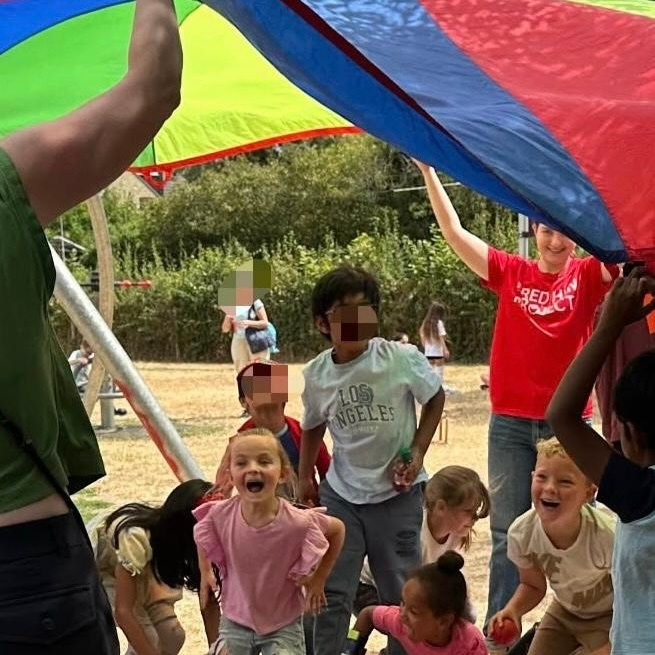
To conclude my halfway thoughts, I have learnt that leadership is not classified as one thing. It requires adaptability and proactivity to be effective, and can change along the journey depending on your changing goals. Leadership does not have to be authoritative, and whether or not you have a title or role as a leader of a team does not mean that you cannot effectively be a leader
I am thoroughly enjoying my placement thus far and am finding it deeply eye opening. It is deepening my understanding of the social determinants of health and how large of an effect systemic poverty has on every day life, health and wellbeing. These insights will be integral to my future as a Doctor in providing considerate and well rounded patient centred care. I am grateful to be in a position to be able to help and further understand some of the core local and global issues, all of which I would like help in solving.

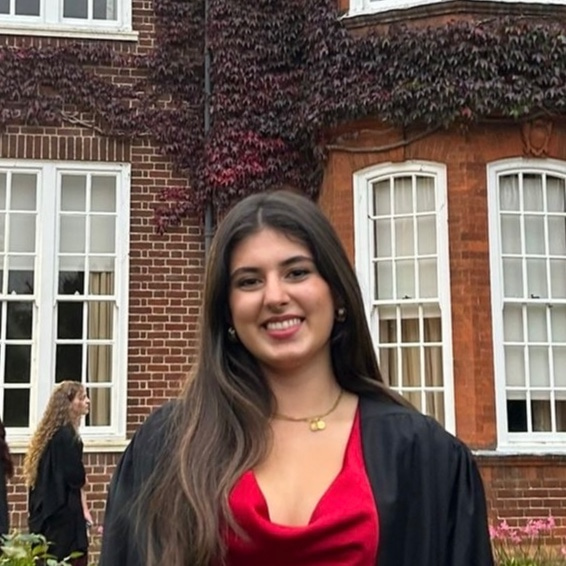
Hi, my name is Carys and I am going into my second year studying Medicine at the University of Cambridge.
My interests mainly lie in public health, preventive medicine and infectious diseases, however I find all aspects of clinical and community healthcare interesting. I am interested in potential research into antimicrobial resistance (AMR) and other pressing global issues, and seeing how we can ensure access to appropriate healthcare systemically by reducing inequalities.
This summer I am completing my Leadership in Action project with the Red Hen Project in Cambridge - a charity dedicated to helping children and families facing hardship. The charity hopes to expand to a deprived region in Cambridge and I will be evaluating the current services available for children, and where the charity can create the most long standing impact. The project is focussed on preventative measures to ensure children can live happier and healthier lives by reducing barriers they may face. This project is solidifying my current hope to work in paediatrics or public health.