
About Chantelle Cumming
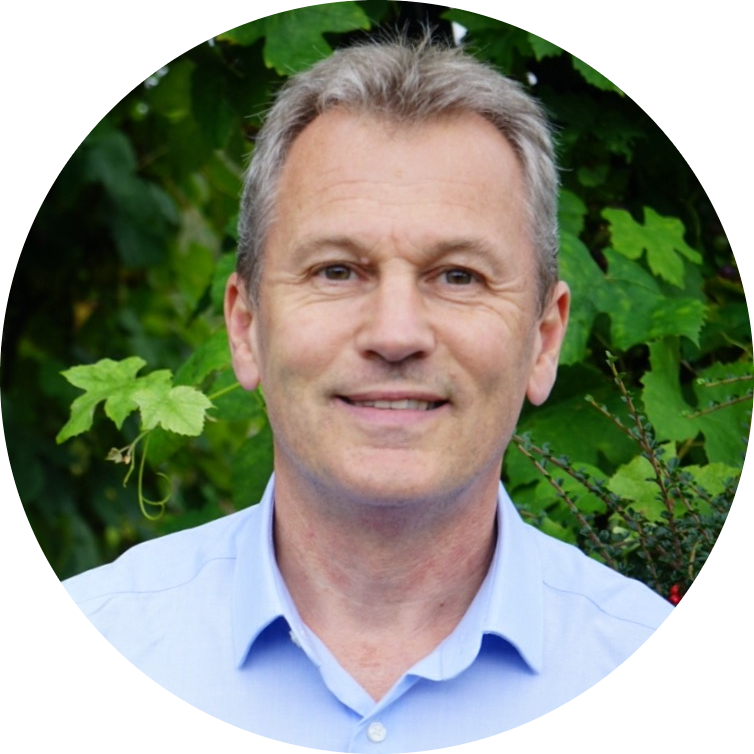
Hi, Laidlaw Family. I am the Senior Manager for the Leadership Framework at Durham University, UK. Part of my role is to oversee the Laidlaw Leadership and Research Programme, with particular responsibility for the partnership management. This involves identifying key stakeholders, soliciting and stewarding these relationships while offering a platform for collaborative work.
Networking and managing relationships is a key component of successful leadership. I would urge all future leaders to have a mentor to support them on their leadership journey.
I am also a qualified Family and work place mediator, offering training in mediation and conflict resolution skills. I have also, written and published mentoring guidelines and toolkits. I would be happy to assist any students on the Laidlaw programme.
Prior to this post I have worked as a Director of a Hospice, I have lectured in South African Dramatic Literature, set up several NGO's in South Africa and Zambia.








Recent Comments
Cassidy, this is an exceptional reflection on your Laidlaw journey and one that so clearly demonstrates the development that can take place across the full breadth of the programme.
What stands out most is not simply the impressive range of experiences you have embraced – from your research into environmentally sustainable solutions, to presenting your work, engaging with the Oxford Character Project, and ultimately undertaking your Leadership in Action in Zanzibar – but the way in which you have connected these experiences to your development as a leader.
Your reflections on adaptability, resilience and the importance of understanding global challenges within their local context are particularly powerful. Your experience in Zanzibar demonstrates that leadership is not always about arriving with the answers; it is often about listening, adapting when circumstances change, working respectfully alongside others, and remaining committed to the purpose when things become difficult. Your recognition that small steps contribute to the larger picture captures an important aspect of what it means to be a changemaker.
It has also been wonderful to see you recognise that leadership development does not end with the programme. Your commitment to supporting future Durham Scholars, remaining engaged with the Laidlaw community and continuing to explore how your scientific expertise can contribute to human and environmental challenges speaks volumes about the leader you have become.
You have been an exemplary Laidlaw Scholar, Cassidy. Your intellectual curiosity, courage, commitment and willingness to challenge yourself have been evident throughout your journey. I hope future Scholars reading this reflection will see not only what is possible through Laidlaw, but also that the real value of the programme lies in what you choose to carry forward from it.
Congratulations on an outstanding journey – and I look forward to seeing where you take it next.
Thank you for sharing your reflection. It's great to read how your confidence is growing as you settle into your role, and your enthusiasm for the conservation work and engaging with the local community really shines through. I particularly liked how you identified where your scientific background can make a meaningful contribution.
As you continue your reflections, consider being a little more specific about which Laidlaw Leadership Capacities and Character Virtues you are drawing on, and how these link to the SMART goals you've set. That additional detail will make it even easier to see your leadership development over the course of the programme.
I'm looking forward to following your journey over the coming weeks!
Thank you for sharing your reflections, Astra. I really enjoyed reading them, particularly because your enthusiasm for research shines through so clearly. It is wonderful to see how quickly you are already making connections between the experiences you've had, the literature you're reading and your own research project. Your discussion of the STRANGE framework is a great example of this—you are already thinking critically about how you can strengthen your own work, which is an excellent habit to develop early in your research journey.
I also appreciated your reflections on the graduating scholars' presentations. Your observation about resilience in research was particularly insightful. Every research project presents its own challenges, whether they are methodological, practical or unexpected, and recognising that resilience is part of the research process will undoubtedly serve you well over the summer.
It was also lovely to read about the conversations you had during the networking session. One of the real strengths of the Laidlaw programme is the community it creates, and it sounds as though you have already begun building relationships with fellow scholars, alumni and your supervisor. Those conversations often become just as valuable as the formal sessions themselves.
As you continue your reflections over the coming weeks, I'd encourage you to think not only about your development as a researcher, but also about your development as a leader. Some of the ideas explored during the Global Induction and our leadership sessions—whether around values, communication, collaboration or learning from different perspectives—can sometimes reveal their significance over time, particularly once you begin applying them in your research and while working with others. It will be interesting to see how your thoughts on these develop as your Laidlaw journey progresses.
Thank you again for sharing your reflections. Your curiosity, analytical thinking and willingness to engage deeply with your research are already evident, and I look forward to seeing how both your research and leadership perspectives continue to grow over the course of the programme.
Thank you for taking the time to share such a detailed and thoughtful reflection. It was a pleasure to read because it captures not only what we covered during the sessions, but how your thinking evolved throughout the experience.
One of the things that stood out to me during the programme was your enthusiasm for getting involved from the very beginning. Volunteering for both the Social and London Conference committees reflected the collaborative spirit you brought to the cohort, and I have no doubt that your willingness to help build connections between scholars will make a real difference over the next two years. Leadership is as much about creating community as it is about leading projects, and your reflections show that you already recognise the value of investing in relationships.
I particularly enjoyed reading your reflections on Professor Matete Madiba's address. Like many of the cohort, you clearly connected with both her story and her authenticity. I thought it was especially insightful that you didn't simply admire her achievements, but reflected on the qualities that underpinned them—quiet confidence, resilience, integrity and a lifelong commitment to learning. Your comment about wanting to speak with her about a career in academia demonstrates an openness to learning from those who have travelled different paths, and that curiosity is an important leadership quality in itself.
I was equally pleased to read how intentionally you engaged with Guy's sessions. Your observation that effective leaders know their team as individuals rather than treating people as interchangeable really resonated with me. It reflects an understanding that leadership begins with listening, empathy and recognising the strengths that different people bring. Throughout the residential, I also noticed these qualities in the way you worked with others and contributed to discussions.
Your reflections on the project management exercise also demonstrate an impressive level of self-awareness. Identifying both your natural strengths—bringing people together, navigating differing opinions and encouraging participation—and the areas you want to continue developing around logistics and practical planning is exactly the kind of reflective practice that will help you grow as a leader. The strongest leaders are rarely those who believe they have all the answers; they are those who continually seek feedback, recognise where others complement their own strengths, and remain committed to learning.
Finally, I smiled at your comment about everyone wanting to join the committees—it certainly reflected the enthusiasm and energy of this year's cohort! Thank you for bringing that positivity throughout the programme. Your willingness to engage fully, contribute thoughtfully and support those around you helped create the collaborative environment that made the residential such a rewarding experience.
I look forward to seeing how you continue to develop over the course of your Laidlaw journey, and I hope you continue to hold on to the curiosity, openness and self-awareness that come through so strongly in this reflection.
Hannah, thank you for such a thoughtful reflection. What stood out to me most was not only the clarity with which you captured the themes of integrity, courage and hope, but the way you have already begun to translate them into your own thinking and leadership practice. That willingness to reflect deeply, question assumptions and connect ideas across different sessions was something you consistently demonstrated throughout the programme.
I particularly appreciated your reflections on both Susanna Kempe's and Professor Matete Madiba's contributions. Your connection between Susanna's message about intellectual curiosity and your own experience as a Modern Languages student was especially powerful. In a world where AI continues to reshape so much of what we do, your reminder that curiosity, cultural understanding and emotional intelligence remain fundamentally human strengths is an important one—not just for languages, but for leadership itself.
Your reflections on Professor Madiba's address were equally compelling. I was struck by your observation that she helped shift your perspective from seeing change as something that only happens from positions of authority, to recognising the influence we each have through the choices we make every day. Your phrase about leading "from the bottom up, not just waiting until we can lead from the top looking down" beautifully captures one of the central ideas of the Laidlaw programme. Leadership is not defined by title or position; it is demonstrated through the courage to act with integrity, even when change feels slow or systemic.
It was also wonderful to see how actively you contributed during the residential. Your thoughtful questions and willingness to engage openly helped create exactly the kind of reflective learning environment we hope the programme fosters. The optimism you describe is not blind optimism, but one grounded in values, action and accountability—and that is far more powerful.
I also enjoyed reading how you have already applied Guy's project planning framework to your own development. Recognising that effective leadership often starts with defining the right goals before seeking solutions is an insight that will serve you well throughout both your research and Leadership-in-Action experiences.
Thank you again for sharing your reflections. I hope you continue to hold on to that sense of rational hope, because leaders who combine optimism with integrity and action are exactly those who help create meaningful change. I look forward to following your journey over the next two years.
Thank you for such a thoughtful reflection. What stands out is not only what you have learned, but how intentionally you have reflected on your own development throughout the process. The willingness to acknowledge your initial apprehension, and then recognise the confidence, connections and skills you have gained, demonstrates an important aspect of leadership growth.
It is particularly encouraging to hear how quickly your cohort has developed a strong sense of community. The emphasis you place on respectful communication, ensuring everyone feels seen and heard, and working together to create a shared cohort agreement reflects many of the values we explored during the training. Leadership is rarely a solo endeavour, and your experience highlights the importance of collaboration, trust and creating environments where people can contribute authentically.
I was especially pleased to read your reflections on the Laidlaw 3Cs. Your discussion of self-awareness and identifying both strengths and areas for development speaks directly to Character, while the practical research, presentation and project-planning skills you describe are examples of building Capacities. The way you are already thinking about applying these lessons beyond your research project, in future study and workplace settings, demonstrates the mindset of a future Change Maker.
Your reflection is also a useful reminder for fellow scholars that leadership development often begins outside our comfort zones. What started with uncertainty and meeting a room full of strangers has already evolved into a supportive network of peers, shared learning and increased confidence. It will be exciting to see how these foundations continue to shape your research journey and Leadership in Action experience over the coming months.
Lexie, this is a highly reflective and grounded response that shows real depth of engagement with the training.
Your clarity around your core values—and the consistency over time—is a strong foundation for leadership. What is particularly powerful, however, is your willingness to interrogate where those values need to be paired with action, especially in developing conviction, setting boundaries, and navigating challenge. That self-awareness is critical.
Your reflection on ethical leadership, particularly in response to the session on voluntourism and child safeguarding, stands out. Recognising discomfort and using it as a catalyst for deeper responsibility and more thoughtful engagement is exactly the kind of mindset the Laidlaw Scholars Leadership and Research Programme seeks to cultivate.
It’s also important that you’ve identified the balance between compassion and accountability. Leading with kindness is a strength—but, as you note, ensuring this is underpinned by confidence, ethical vigilance, and sound judgement is what enables meaningful and responsible impact.
Thank you for sharing this—your honesty and critical reflection provide a strong example of how scholars can approach their Leadership in Action with integrity and purpose.
Hannah, this is a thoughtful and well-structured reflection that clearly demonstrates deep engagement with the Leadership Development Training.
What stands out is your shift from seeing the LiA as “helping” to understanding it as responsible, community-driven leadership. That distinction sits at the heart of the Laidlaw Scholars Leadership and Research Programme, and your articulation of ethical awareness, cultural sensitivity, and long-term impact reflects a strong leadership mindset.
Your focus on operating under uncertainty and recognising leadership as adaptability—not certainty—is particularly important. The ability to make informed decisions with incomplete information, while remaining grounded in your values, is a critical capability for your placement and beyond.
It’s also encouraging to see how you are linking self-awareness to action—especially in thinking about behavioural responses under pressure and how you will apply frameworks like SMARTER goals in practice. This level of intentional preparation will serve you well in a complex, real-world environment.
Thank you for sharing this—your reflection offers a clear model for how scholars can approach their LiA with both rigour and humility.