Week 3 of Research at Leeds: Cell Treatments
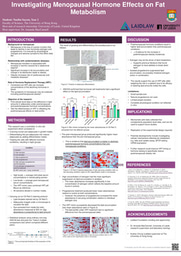
The third week was perhaps the most significant of my project so far, as things are starting to look serious. My actions at the lab were starting to shape real results and it could not be more enervating (and exciting at the same time). Since my project is about observing how adipocytes are affected by post-menopausal hormone changes, the adipocytes that we have been growing need to be treated in different hormone conditions that represent specific conditions in the female body.
I'll elaborate a bit on how the cell plate was designed to serve our purpose - the first section is a control, which will act as a reference of how the adipocytes act without the effect of any hormone. The next two sections are treated by high estrogen and low estrogen concentrations. This is obviously to observe the effect of estrogen (specifically the drop in estrogen concentration after menopause). Similarly, two sections are treated with high and low progesterone concentrations to investigate the sole effect of progesterone separately. The next section is high estrogen+progesterone levels together - this is the perfect representation of real conditions in a menstruating woman's body. Similarly, a low estrogen+progesterone combination represent real conditions in a postmenopausal woman's body. Lastly, some cells were treated with hormone concentrations that reflect usage of HRT to check if lipid metabolism in postmenopausal women can be helped by HRT use.
Treating the cells may seem straightforward, but it requires quite some patience as it needs to be done carefully with steady hands over ample time. It also takes quite some time to prepare the solutions with the precise concentrations to be used. Most importantly, the handling of cells needs to be thoroughly aseptic throughout in order to prevent infecting the cells - which would ruin all my effort of several weeks! In order to accomplish this, everything needs to be carried out in a biosafety cabinet/hood, which is available in the tissue culture laboratory. Working effectively inside the hood actually required some training, so I had to go through an induction before even being allowed to do anything. But by the time I finished treating my cells over an entire week, I feel quite comfortable working inside it like a professional!
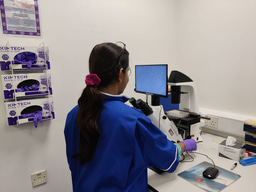
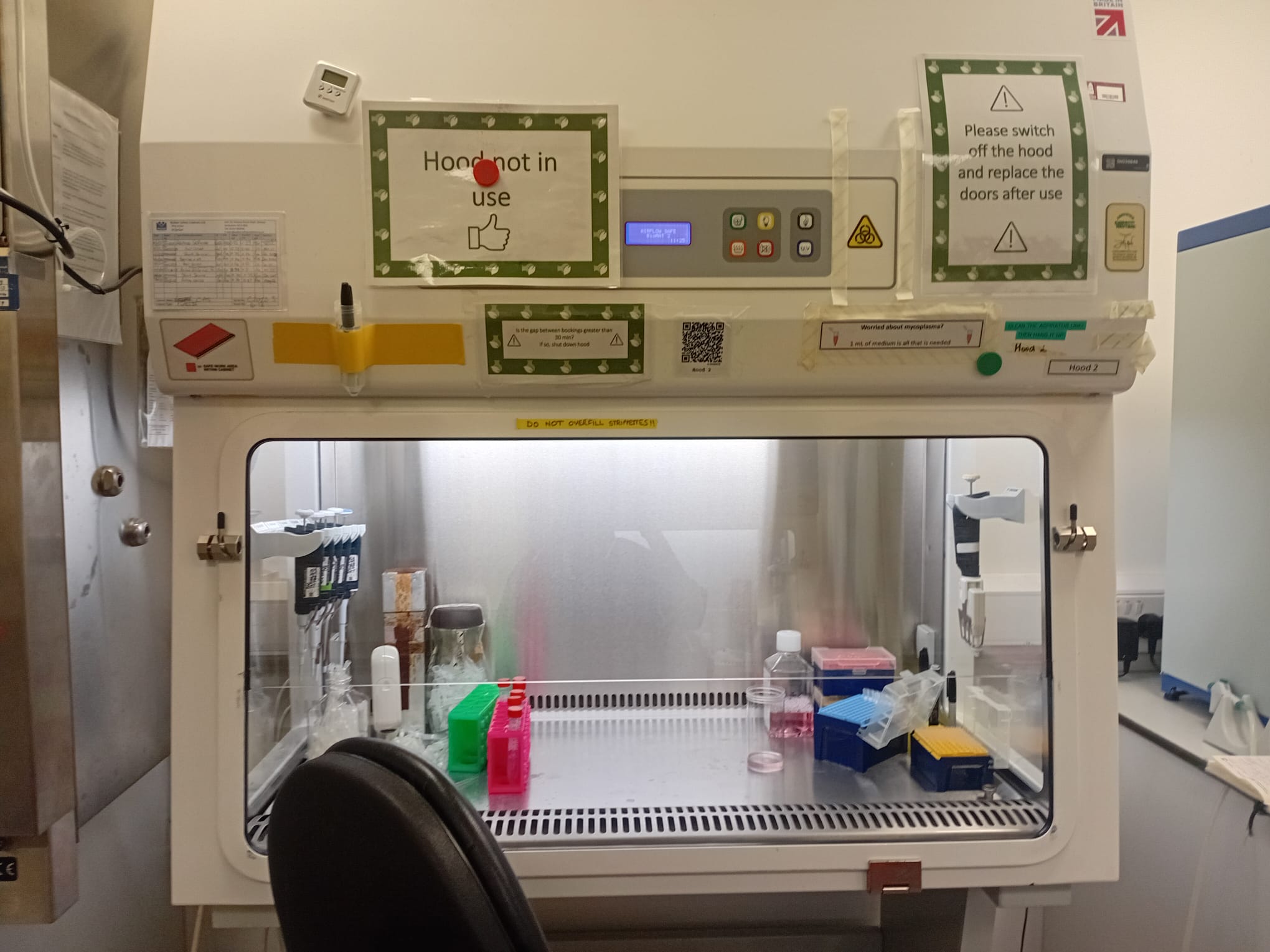 After successfully completing the treatments, I checked my cells under the microscope a few times and started to see some visible differences between different conditions. It is beyond exciting to see actual results, and I cannot wait to carry out proper tests over the next two weeks to form conclusive statements about the research.
Hi! My name is Naziba and I am from Bangladesh, but currently in Hong Kong for my undergraduate studies at The University of Hong Kong where I study Molecular Biology and Biotechnology.
Besides my academics, I am a very passionate teacher who enjoys making high school science feel more interesting and less taxing. I also love watching movies with my cats and taking nature walks with my friends.
I am excited to start my Laidlaw research journey this year under the Faculty of Health and Medicine at University of Leeds . I am really looking forward to making friends in the Laidlaw community so feel free to reach out in my DMs if you wish to connect!