Summer 1 - Research Review
I got a great deal out of doing my summer 1 research project – more than I anticipated, actually.
I thought that the biggest challenge would be maintaining motivation throughout the 6 weeks. This is no reflection on the subject matter or on the nature of the project. It’s more that I’ve always struggled with motivation when working from my family home. (For example, I found it much easier to study these last two years at Trinity than I did for my Leaving Cert.) However, as it turned out, this had absolutely no effect because the subject matter was so interesting that motivation was never an issue.
My project is concerned with the public’s reaction to lockdown and the dangers of the ongoing slide towards authoritarian rule. I feel the former issue is relevant and timely, and I have great concern about the latter, and so I felt an obligation to do as good a job as I could, in an attempt to do these issues justice.
Each aspect of the research project presented its own set of challenges. I thought, for example, that the aspect of my research that would come more easily to me would be the creative vision side: knowing, relatively speaking, from the beginning the form that my project would end up taking, which issues I would discuss in it, and roughly what my conclusion would end up looking like. Reflecting on my experience, however, the opposite turned out to be the case, because I came across game-changing information that I was not previously aware of.
I was surprised by the extent to which the size and content of my project changed and snowballed in directions I did not expect. At the outset, I thought I knew roughly the areas of literature I’d be delving into. Before I began, I assumed – since I’d be writing about these issues from a philosophical perspective – that the extent of my research would be into related philosophy and the official documents that lay out the state of play.
However, I ended up reading far wider than that, and indeed felt compelled to investigate avenues I did not envision would be relevant in the beginning – for example, critiques on the evolution of politics over the years, and the current state of play regarding the political polarization that seems to exist.
I wasn’t completely unaware of these issues when I started, but there were certain areas that I had absolutely no idea about, for example, behavioural psychology, and it became clear that I had to cover them.
I felt that practising letting go of the preconceived notions I had about the end-goal of my project, what would be required to get there, and particularly its conclusions, reshaped my view of how to approach investigative research in a way that will help me be more flexible in the future. I also interviewed a leading expert in the field of my research – Professor Sunetra Gupta (an epidemiologist at the University of Oxford) – via zoom, for half an hour. This experience was extremely exciting, but nevertheless challenging in its own right. I wanted to prepare really well for it, and make sure I asked interesting questions, whose answers were not available elsewhere.
The interview process was an enriching experience, as regards both my project and indeed my experience at researching and interviewing. I would regard interviewing Doctor Gupta to be a highlight of my summer, and certainly not something I would have gotten the chance to do if it weren’t for having the task of completing this project.
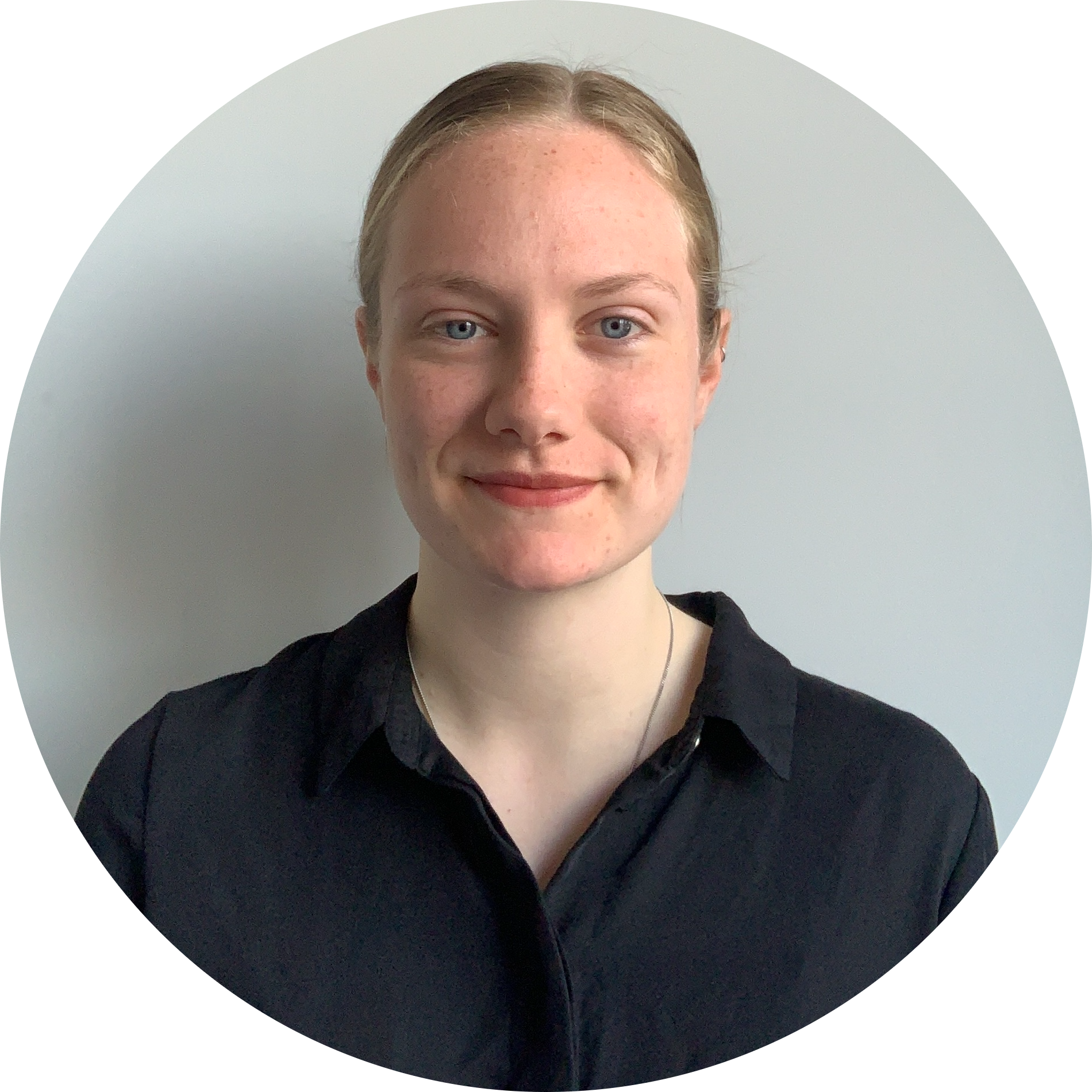
Hi! My name is Claudia, and I’m an undergraduate philosophy student at TCD. My Laidlaw research project regards the public’s reaction to the Covid-19 related lockdown measures, with a view to providing some insight into the current socio-political zeitgeist. I’ll be doing this with the help of the work of political theorist & philosopher Hannah Arendt.