Scholar Spotlight - Alexia Kirwan-Jones
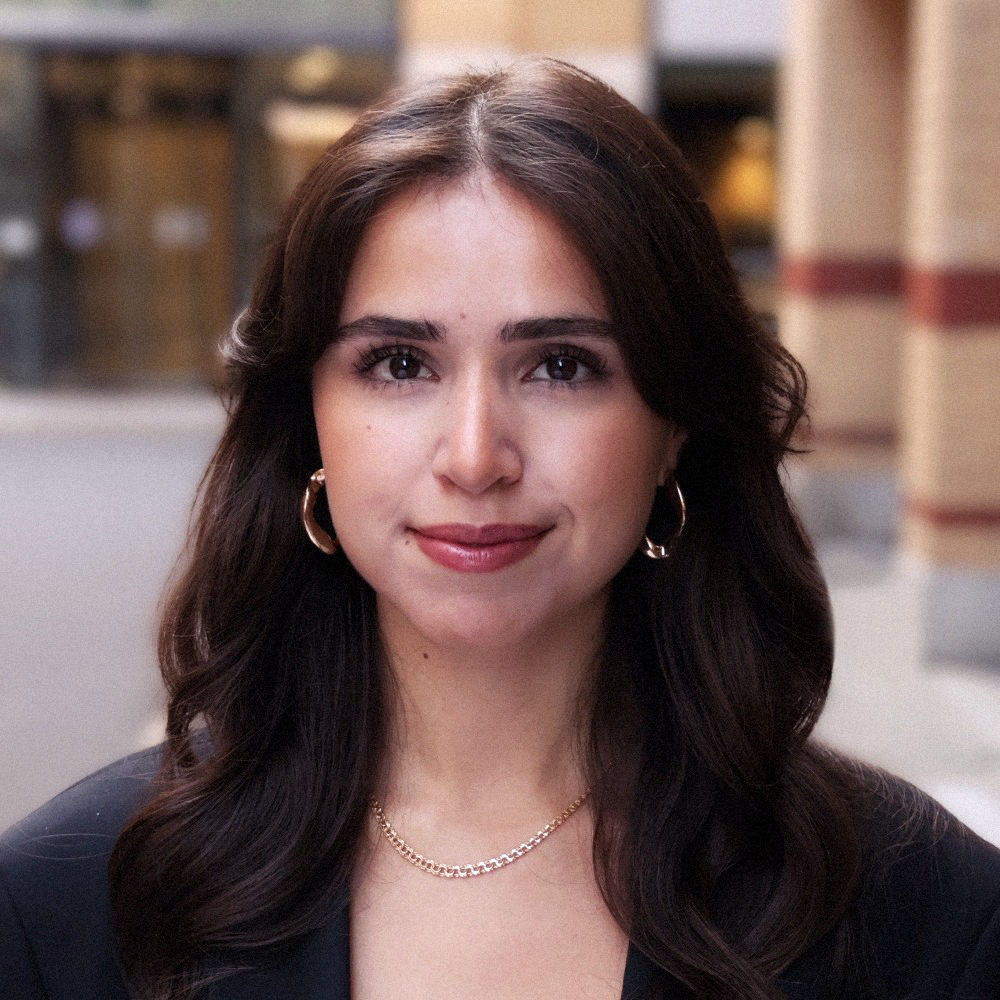





Alexia Kirwan-Jones, a Laidlaw Scholar at the Durham University, is exploring how neurodivergent traits shape experiences of eating and body image, challenging deficit-based assumptions to build a case for more inclusive approaches to eating disorder treatment.

Research title
Neurodivergent Experiences of Eating and Body Image; Understanding the Mechanisms Behind Eating Distress in Autistic, ADHD, and AuDHD Individuals
Please briefly outline what your research is about, and its potential real world impact
Eating disorders (EDs) are serious mental health conditions associated with emotional distress, impaired functioning, and significant health risks. Neurodivergent individuals are disproportionately affected, with around a third of ED patients meeting criteria for autism or ADHD. Traits such as sensory sensitivities and interoceptive differences have been suggested to contribute to eating distress amongst this population, however, existing research often frames these traits through a deficit-based lens, overlooking their adaptive potential. This framing carries into clinical practice where individuals are frequently expected to conform to neuronormative treatment models that feel unhelpful at best, and actively harmful at worst.
This study therefore aimed to develop a more nuanced understanding, distinguishing genuinely maladaptive eating patterns from non-normative but harmless ones, whilst also exploring how positive or adaptive behaviours, under certain conditions, may evolve into distress.
To centre lived experience, I conducted a reflexive thematic analysis, running 1:1 interviews with autistic, ADHD, and AuDHD participants about their experiences of eating and body image. The analysis involved iterative cycles of coding, reflection, and interpretation, with ongoing consideration of how my own positionality shaped my interpretative lens. Five key themes were generated, capturing influences such as sensory sensitivities, social stigma and systemic misunderstanding, body image as a form of masking, executive functioning differences, stimulation seeking, hyperfixations, and binary thinking patterns. Together, these findings highlight the diversity of experiences, and the varied ways neurodivergent traits can shape an individual’s relationship with food and their body – both positively and negatively.
Overall, this study contributes to a growing body of research challenging deficit-based assumptions and advocating for neurodivergent-specific approaches to ED treatment and prevention, supporting the development of clinically responsive, person-centred models of care. I will be presenting this research at the Appearance Matters Conference in June, and look forward to sharing these findings with a wider community of researchers and professionals.
Where did your passion for this research originate? How does your personal story feed into it?
My passion for this research stems from my own lived experience of an eating disorder. Having gained a firsthand understanding of the harm these illnesses cause, I am determined not only to support others facing the same challenges, but also to contribute towards efforts reducing the number of people who develop eating disorders in the first place. Eating disorders are complex and debilitating mental illnesses that infiltrate every aspect of a person’s life, affecting health, relationships, education, identity and daily functioning. They are about so much more than just food or body image, and are often incredibly distressing. Nobody should have to live with an eating disorder, and with the right support, recovery is possible. The issue, however, is that for many, the appropriate support is simply not available. This is especially true for neurodivergent individuals who are not only more likely to developing eating difficulties, but whose needs are frequently misunderstood by health professionals, often resulting in increased distress and poorer treatment outcomes. This inequity needs to change. Ultimately, my passion for this research comes from wanting to ensure that others, especially those whose needs have previously been overlooked, have a real chance at living free from the constraints of an eating disorder, because recovery should be possible for everyone.
What is the most memorable moment from your Laidlaw scholarship experience so far?
The most memorable part of my Laidlaw experience so far has been the Laidlaw Scholars Annual Conference. I got to meet so many people from all over the world that weekend and had lots of really interesting and engaging conversations. Getting to hear about other scholars’ research was so fascinating, and many of the talks I attended have really stuck with me.
It was also very rewarding to be able to showcase my own research project; when you have put so much time, effort and care into your work, it means a lot to have people show such genuine interest in what you’ve produced. I was very grateful to be selected to present my research poster to one of the editors from Taylor & Francis – a real key moment of the weekend for me – and it was such an honour to be amongst the final 26 posters chosen to be submitted for publication
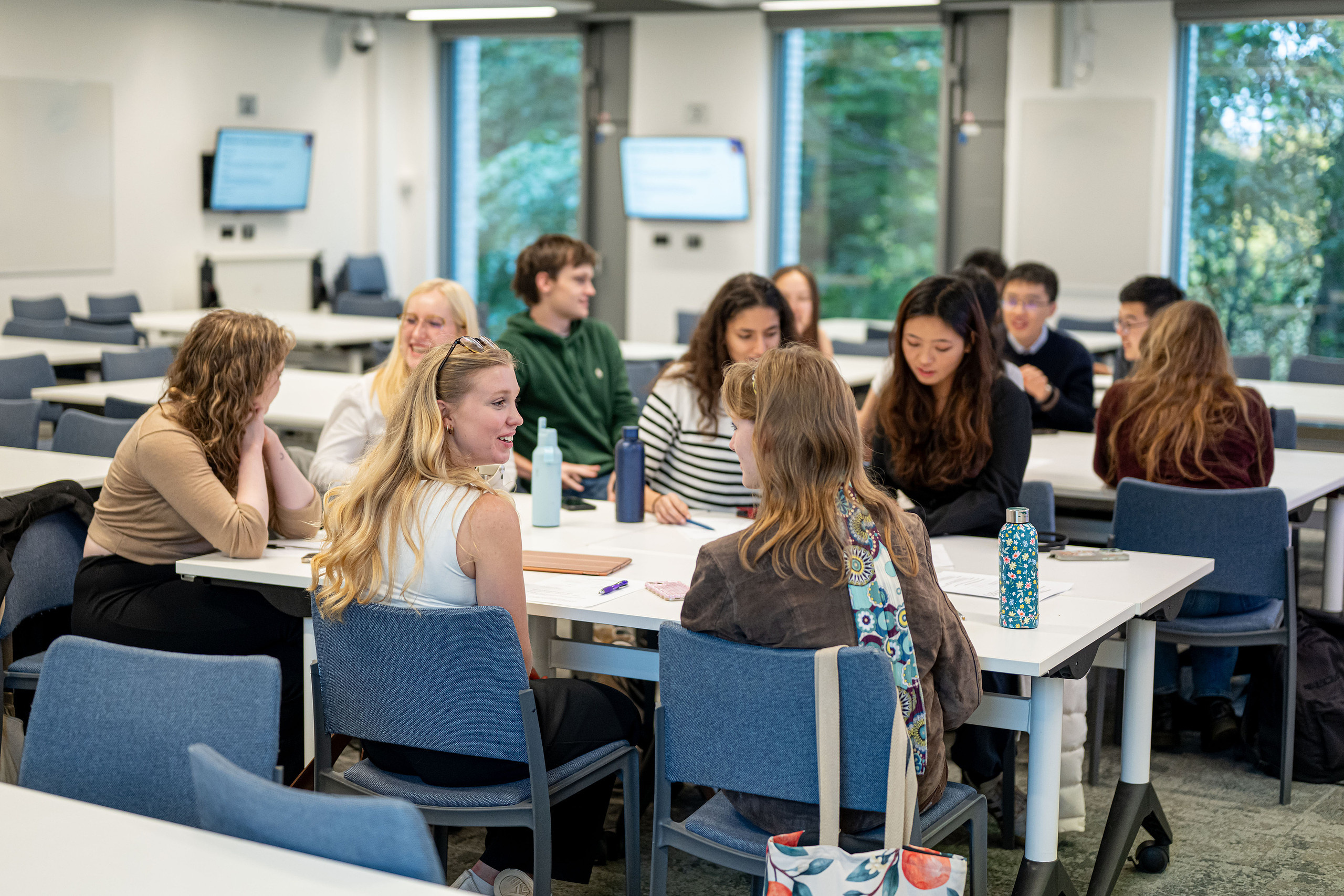
Laidlaw Scholars Annual Conference
Curious to see the research for yourself? Read Alexia's published poster here:https://doi.org/10.7490/f1000research.1120484.1
What is the biggest challenge you came across in your research and leadership journeys so far, and what did you learn from it?
The biggest challenge I’ve faced throughout my Laidlaw journey has been the mental challenge that comes with it. One of the amazing things about the Laidlaw programme is being around such intelligent and inspiring people, however, at times I have found this to come with its own challenges. I think many of us struggle with imposter syndrome, yet it’s rarely spoken about, and when others are good at appearing confident, it’s easy to feel like you’re the only one doubting your place in the room. Throughout my time as a scholar, I’ve often felt ‘not [insert trait] enough’, particularly compared to others, but comparison really is the thief of joy; everyone has different strengths and abilities, so comparing yourself is pointless. Though it’s been a learning curve, I have become better at recognising my own capabilities, acknowledging my hard work, and giving myself credit for my achievements. Imposter syndrome can be a taboo topic, particularly in contexts where there is pressure to appear confident and competent, but I know I will not the only scholar who has felt this way, so for anyone who relates, this is your reminder that your contributions are valuable too.
What does it mean for you to be a Laidlaw Scholar?
For me, being a Laidlaw scholar means being part of an international community of exceptional and diverse individuals. Every Laidlaw scholar I have met has never failed to impress me in some way, whether that be for their insight or ideas, their determination or resilience, or their dedication and passion for their areas of interest. It’s a real honour to be a part of such an incredible network, and I don’t take for granted all the fantastic opportunities that have come my way because of this programme. I think fundamentally, being a Laidlaw Scholar is about not just wanting to do good in the world but actively seeking to be that impact and make real change.
Which particular leaders inspire you the most and why?
Someone whose leadership has inspired me is Jameela Jamil. She speaks out on diet culture and beauty standards, plus issues around sexism, racism, sexual abuse and LGBTQIA+ rights, always with intention, clarity, and an informed understanding. I respect how she uses her voice boldly while also acknowledging past mistakes, modelling accountability, self-reflection, and growth as essential to ethical leadership. Additionally, I value her insistence on authenticity, self-respect and embracing imperfection, and her rejection of shrinking or contorting oneself to become more palatable, all of which demonstrates courageous and values-driven leadership.
One topic Jameela has discussed that has really stayed with me is how beauty standards, particularly idealised thinness, intensify during periods of rising conservatism, when there is a broader push for women to be smaller in every sense. Understanding how these trends function as social control made me angry at how much time and energy we as women are convinced to spend trying to shrink our bodies instead of fuelling ourselves to be strong, capable, and focused on what matters. In the face of a society wanting to keep women small and their voices smaller, Jameela has shown that taking up space – physically, intellectually and politically – is one of the most empowering things we can do.
Briefly describe a scene from the future you are striving to create.
Whilst it might sound like an ordinary milestone, I am striving for the day I finally graduate from my undergraduate degree. Before coming to Durham, I spent three years studying costume design at the University of Edinburgh before taking a year out due to my mental health. My experiences within mental health services made me passionate about providing meaningful support to others and motivated a complete career change for me, hence moving to Durham to study psychology. I am incredibly grateful for the second chance I’ve had to shape my career, however, it’s going to have taken me eight years to graduate, and sometimes it feels as though the day will never come! Nonetheless, holding on to my “why” keeps me moving forward, and when the day finally arrives, it will be a rewarding end to a very significant chapter of my life.
Quick Fire Questions
📺 Currently Binging:
The new season of Bridgerton

📚 My top book recommendation:
The Hearts Invisible Furies by John Boyne

🎶 My anthem:
I Can Do It With a Broken Heart (Taylor Swift)
🎶 Current Podcast Obsession:

🌈 Something that made me feel joy recently:
My parents recently brought my dogs up to visit me for my birthday which was so lovely (though admittedly seeing any dog makes me happy) Failing that, I had the most incredible cinnamon bun last week.
If you want to learn more about Alexia's work, explore her research here and follow her on LinkedIn. Alexia is a Laidlaw Undergraduate Leadership and Research Scholar at @Durham University . Become a Laidlaw Scholar to conduct a research project of your choice, develop your leadership skills, and join a global community of changemakers from world-leading universities.
Find out more about the Laidlaw Scholars Undergraduate Leadership and Research Programme.
🔦 Discover more Scholar Spotlights:
⚡️ Eliana Amoh, a Laidlaw Scholar at Cornell University, explores the intersection of education, labour, and migration in and out of Ghana.
⚡️ Cothney Lasaracina, a Laidlaw Scholar at the University of Leeds, explores Colonial Subjects From the French Resistance
⚡️ Jing Ma, a Laidlaw Scholar at UCL, explores the influences between the evolution of legal frameworks and civil society in Singapore.