Scholar Spotlight - Tyler Carriaga

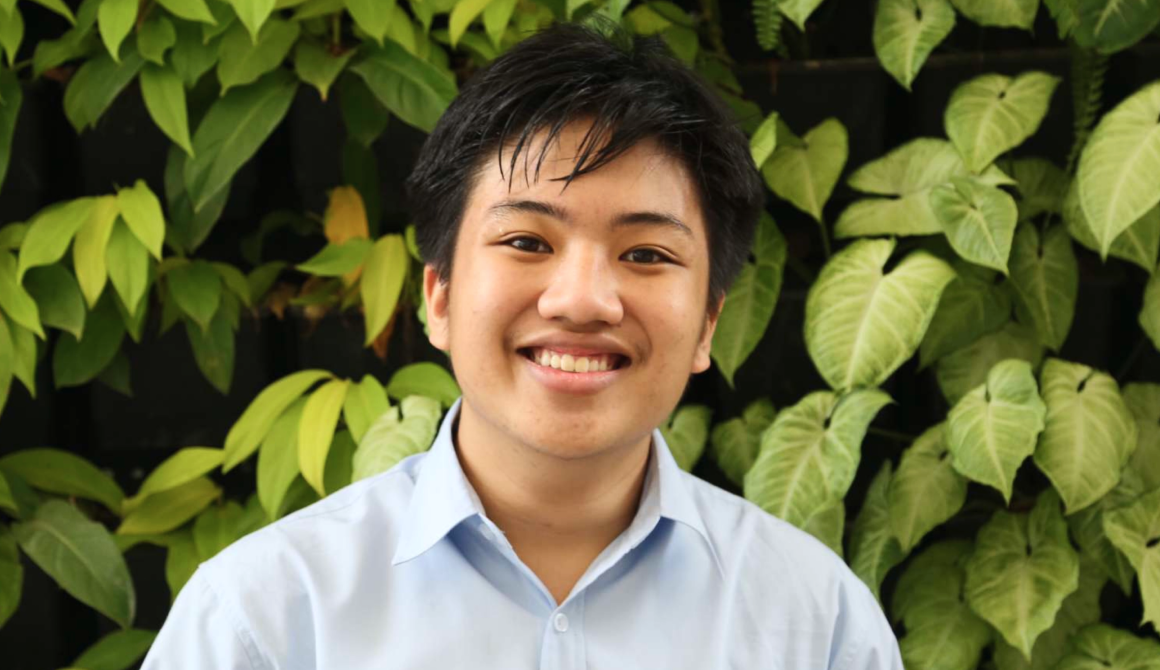
Tyler Carriaga, a Laidlaw Scholar at the University of Toronto, is examining how distinct ethnic communities in Seattle's Chinatown-International District navigate shared space, tracing how competing visions of home have shaped the neighbourhood's built environment over more than two decades.
Research title:
(Re)making Home: Resolving Contested Visions in a Revitalizing Multi-Ethnic Enclave
Please briefly outline what your research is about, and its potential real world impact
My research centers on a singular neighbourhood in Seattle, Washington: the Chinatown-International District. What makes the C-ID distinctive is its simultaneity. Within a few city blocks, three historic ethnic enclaves exist: Japantown, Chinatown, and Little Saigon, alongside a sizable Filipino American community seeking fuller recognition. These communities hold distinct histories and priorities, and disagreements arise not only between the different groups but also within them. Yet in many of the City of Seattle’s planning processes, the District is treated as a singular entity.
I was interested in what happens under that condition. How do different stakeholders interact when they are collectively planned for, but differently positioned within the neighbourhood’s social and economic hierarchy? And what are the consequences of those interactions for the built environment? To explore these questions, I analyzed planning maps from 1998 documenting four themes: culture and economy, housing, public space, and transportation accessibility. Through field observation, archival research, and expert interviews, I compared those maps to conditions in 2024, tracing both what changed and, to the extent possible, how those changes came to be.
Rather than arguing that revitalization depends on resolving disagreement, my preliminary findings suggest that the C-ID’s evolution had been shaped by negotiated coexistence. Competing cultural and socioeconomic visions were not fully reconciled; instead, they appear layered into the built landscape of the neighbourhood. The broader implication of this research lies in how we imagine shared space in an increasingly multicultural world. The C-ID suggests that a durable community may not require flattening cultural differences into sameness. It may instead depend on upholding a plurality of perspectives while acknowledging their tensions. Shared challenges such as housing affordability and transit accessibility call for collective action, yet such collaboration seems most viable when grounded in an appreciation of difference rather than its suppression.
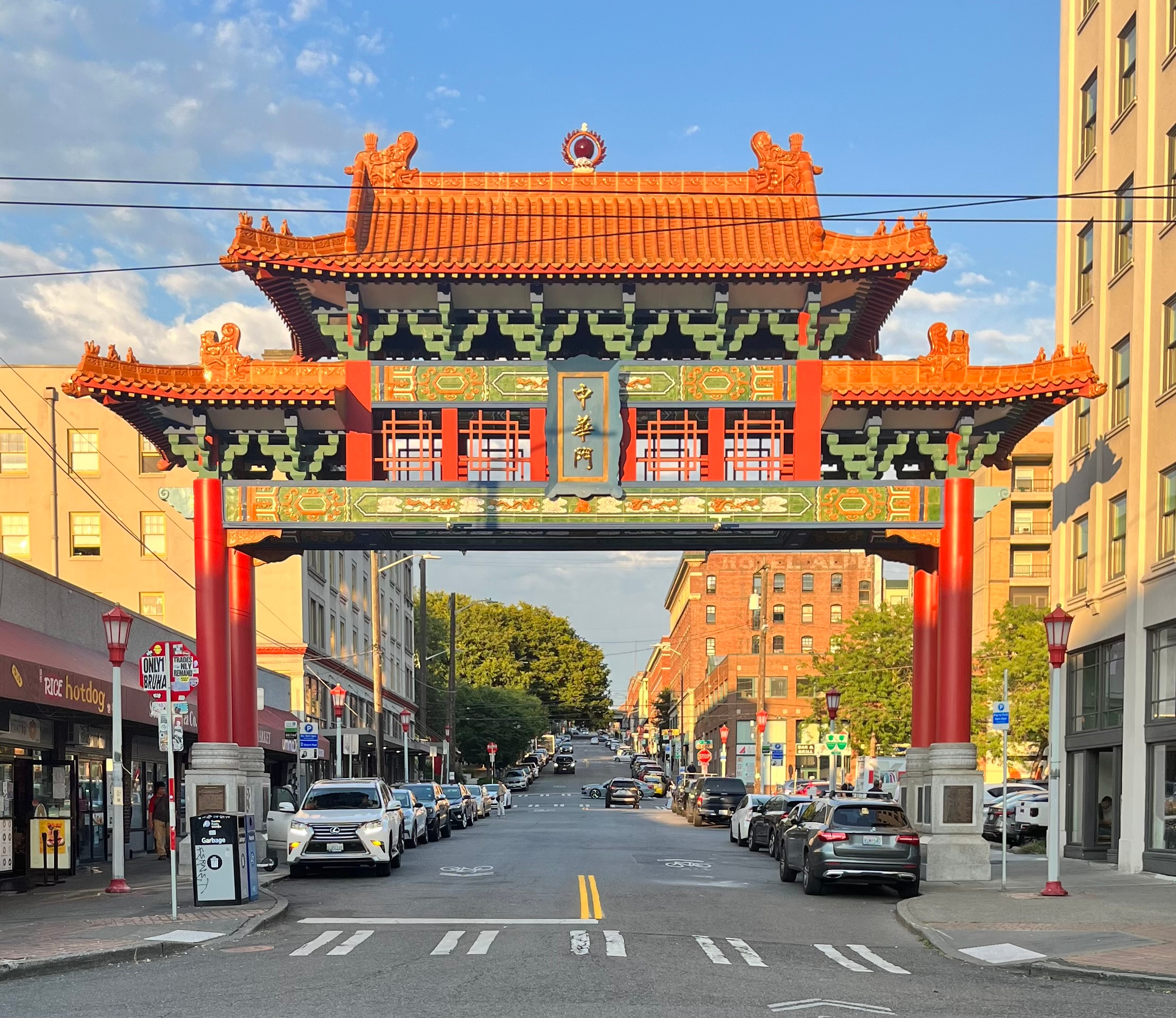
The Historic Chinatown Gate in Seattle’s Chinatown-International District
Where did your passion for this research originate? How does your personal story feed into it?
This research was inspired by two simultaneous identity crises I was wrestling with while I was thinking of a research topic. Firstly, having moved to Toronto for my undergraduate studies, I was feeling an immense amount of homesickness: for my family, my Filipino culture, and the city that raised me, Ho Chi Minh City in Vietnam. At the same time, I was still trying to find a calling in an academic discipline in which I truly felt a sense of belonging. I was loving my education in architecture; I just could no longer see a long-term future in the field and was in the process of negotiating which of my other interests I should pursue further. My research, therefore, was a medium for me to explore my curiosities in multiculturalism, mixed-methods approaches, and interdisciplinary thinking.
It wasn’t until much later that I realized that my research findings provided good advice for navigating my so-called "simultaneous identity crises.” I think I often placed pressure on myself to have a singular cultural identity and a singular academic identity. And in retrospect, I’ve found myself reveling in moments where I can let the multiplicities of those identities co-exist. Embracing multiplicity has become the most honest way I know to move forward.
What is the most memorable moment from your Laidlaw scholarship experience so far?
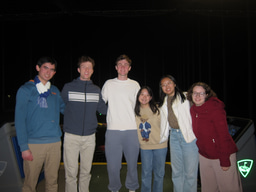
It would have to be a 10-way tie for any time I spent with the 2024 Cohort of Laidlaw Scholars at the UofT! We’ve definitely bonded a lot as a cohort, and whether it was during our leadership sessions, the conference at Columbia, or even just around campus, it’s always such an honour to catch up and learn more about the amazing work everyone is doing. If I really had to pick one of those ten events, then it would have to be our Laidlaw “Graduation” Celebration, last September, and basking in all the memories of our journeys together.
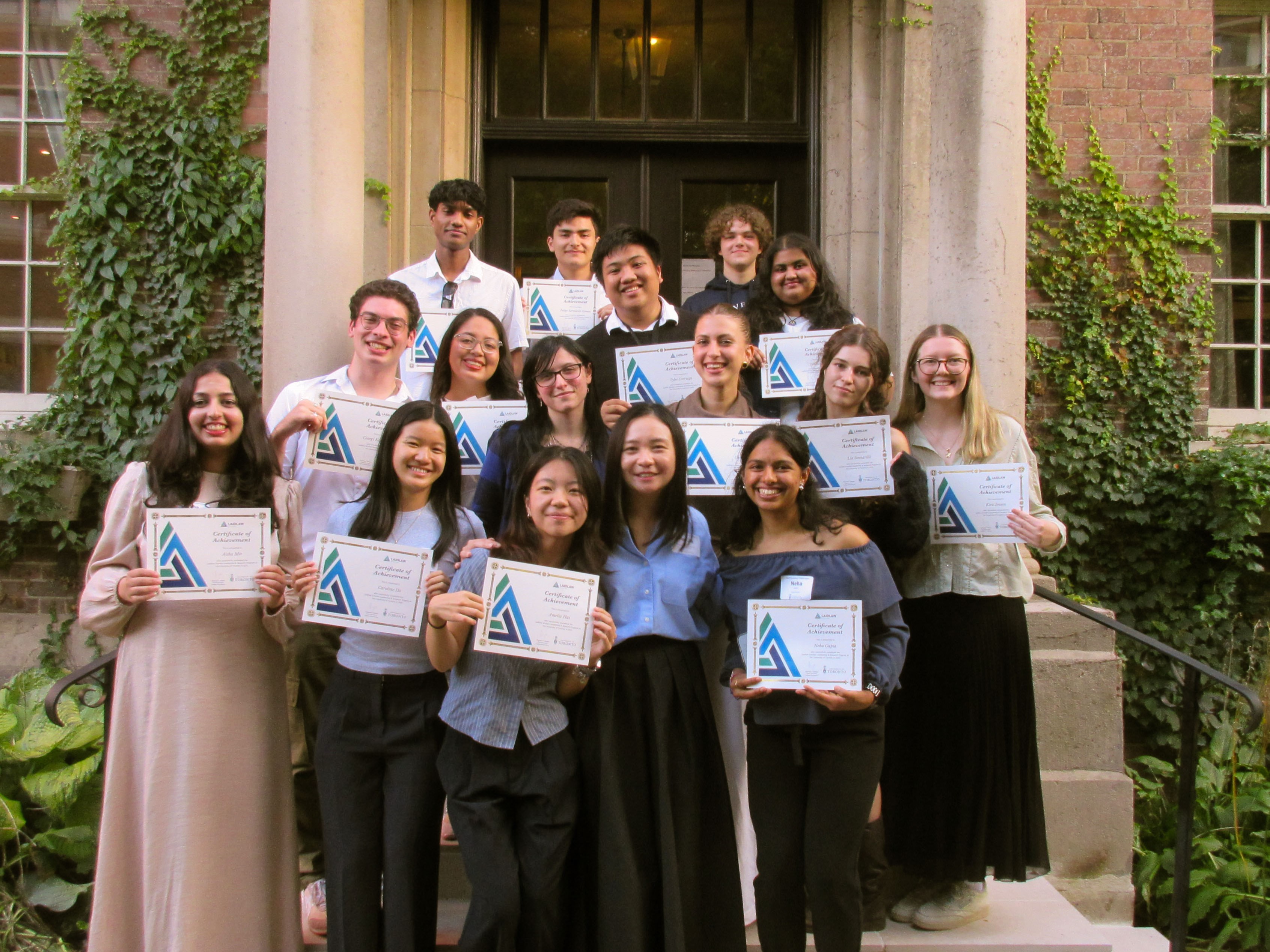
Part of the 2024 UofT Laidlaw Scholars at “Graduation” Celebration
What is the biggest challenge you came across in your research and leadership journeys so far, and what did you learn from it?
Quite honestly, the biggest challenges I faced were the moments when I felt lonely in cities where I didn’t yet have strong social networks. Although I had previously visited Seattle and Manila — the cities where I conducted my research and LiA, respectively — it hadn’t been long enough to develop a true sense of familiarity. I’ve been incredibly fortunate to build meaningful friendships throughout my education, and I hadn’t realized how much more difficult it would be to make friends without the built-in structure of shared schedules, classes, and co-curricular activities.
Fortunately, both summers centered on a convenient common theme: community. Through my work, I came to understand that “making home” requires intentional effort — the willingness to reach out, take initiative, and invest in deepening relationships. More broadly, I think this reflects the overarching lesson I am taking away from my Laidlaw experience: the importance of taking ownership of my choices and being proactive in shaping the environments I want to belong to.
What does it mean for you to be a Laidlaw Scholar?
For me, being a Laidlaw Scholar is a commitment to curiosity. I’ll be the first to admit that I’ve often felt the perennial young‑adult pressure to figure myself out — and to do so quickly. It’s a pressure I’ve spent much of my undergraduate degree trying to unlearn.
These past two years, filled with experiences as varied as conducting scholarly research in Seattle, developing leadership skills with the Oxford Character Lab, improving educational materials in Manila, and now serving on the Advisory Board, have been an absolute privilege of experimentation. I’m deeply grateful for the chance to follow my curiosities: to learn about different social issues, try on different occupational “hats,” and explore different geographies.
Which particular leaders inspire you the most and why?
Great teachers. In the past, I think I’ve gatekept leadership as only being attributable to people of great political or organizational power. However, especially now, when I really stop to think about the leaders who have set good examples, led with compassion, and inspired large groups of people, I think of my teachers. For every year I spent in school, I can think of at least one teacher who nurtured my growth, ambition, and curiosity — and words will always fail to express how grateful I am for that.
In the same vein, I have to credit much of my changing understanding of leadership to my LiA community partner, Fairplay For All Foundation, who run various programs aimed at breaking cycles of poverty in an urban poor community in Metro Manila. Part of Fairplay’s programming involves getting children to play Futsal as a means to build community, and many of Fairplay's staff are trained coaches. As a result, through the Youth Center team I worked with — Ate Ipa, Daniella, and Jerome — I came to appreciate the benefits of understanding “leadership” through lenses of ‘coaching’ and ‘stewardship,’ instead of ‘power.’
Briefly describe a scene from the future you are striving to create.
While I don’t yet know exactly what shape my career will take, I’m deeply committed to addressing challenges in the built environment through policy and design. Whether it’s improving transportation infrastructure, advancing climate adaptation planning, or advocating for just urban transitions, I hope to work on meaningful projects that help co‑create healthier, more sustainable, and more equitable futures for cities and communities.
Quick Fire Questions
📺 Currently Binging:

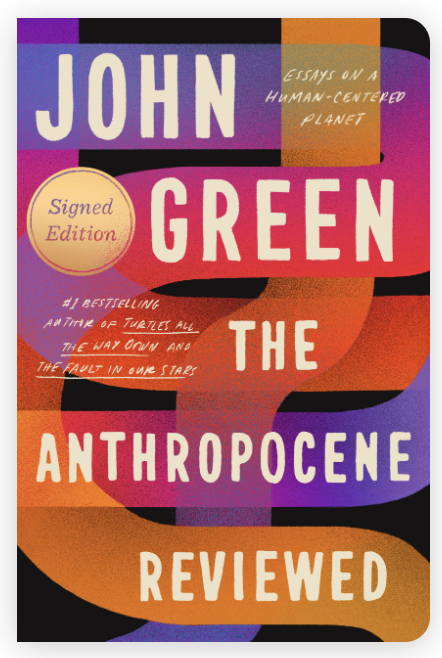
📚 My top book recommendation:
The Anthropocene Reviewed: Essays on a Human-Centered Planet – John Green
🎶 My anthem:
Step Out - José González
🎶 Current Podcast Obsession:

🌈 Something that made me feel joy recently:
Getting a chance to sit outside, drink a cup of hot chocolate, and watch the snow fall.
If you want to learn more about Tyler's work, explore his research here and follow him on LinkedIn.Tyler is a Laidlaw Undergraduate Leadership and Research Scholar at @University of Toronto . Become a Laidlaw Scholar to conduct a research project of your choice, develop your leadership skills, and join a global community of changemakers from world-leading universities.
Find out more about the Laidlaw Scholars Undergraduate Leadership and Research Programme.
🔦 Discover more Scholar Spotlights:
⚡️ Eliana Amoh, a Laidlaw Scholar at Cornell University, explores the intersection of education, labour, and migration in and out of Ghana.
⚡️ Yuki Agarwala, a Laidlaw Scholar at Imperial College London, looks into developing a microneedle patch to deliver a therapeutic cancer vaccine for human papillomavirus-induced cancers
⚡️ Freddie Fallon, a Laidlaw Scholar at Trinity College Dublin, explores Soil Compaction and Plant Biodiversity in Green Spaces