Reflections on my LiA with TSN

Timothy Smith Network
The Timothy Smith Network (TSN) is a non-profit organisation committed to addressing the persistent digital divide affecting underrepresented communities in Boston, particularly in Roxbury and surrounding areas. The organisation originates from a philanthropic bequest made by Timothy Smith in 1918, intended to benefit residents of Old Roxbury. This vision was later formalised in 1996 through the establishment of the Timothy Smith Fund by the City of Boston, which supported the creation of community-based technology centres. In 2003, TSN was founded as a non-profit to oversee and expand this work, continuing a mission grounded in equity, access, and community development.
Today, TSN builds on this historical foundation by providing technology access, education, and training opportunities to individuals who might otherwise be excluded from the digital world. Its approach is guided by a clear ethos encapsulated in three core principles: Community, Credibility, and Commitment. “Community” refers to TSN’s focus on serving individuals from underrepresented racial, cultural, and socioeconomic backgrounds who face systemic barriers to technology access. “Credibility” reflects the organisation’s emphasis on delivering high-quality programmes through experienced staff who are both educators and continuous learners. Finally, “Commitment” highlights TSN’s dedication to long-term impact through sustained learning initiatives that prioritise community needs and empowerment.
Although access to technology has improved in recent years, participation in digital and STEM fields remains uneven, often limited by financial barriers and unequal access to high-quality education and devices. TSN responds to this challenge by creating inclusive spaces where individuals of all ages can access computers, develop digital skills, and engage with structured learning opportunities. At the heart of TSN’s work is the belief that technological empowerment is essential for full participation in modern society. Through partnerships with organisations such as Microsoft, the City of Boston, Boston Public Schools, and the Boston Public Library, TSN ensures its programmes remain relevant and impactful. TSN recognises that access to digital education is a fundamental requirement for opportunity and equity, so advocates for and enables change through their ongoing work.
Boston Design Academy
One of TSN’s flagship initiatives is the Boston Design Academy (BDA), a six-week summer programme designed for high school students aged 13 to 18. The programme introduces students to STEAM disciplines and supports them in developing their own creative or technical projects. This year, two BDA tracks ran, with 16 students each. The Digital Design Intensive focused on creative digital skills such as branding, 3D modelling, animation, and portfolio development, while Tech Your Health explored the intersection of technology and healthcare, encouraging students to design solutions to real-world health challenges. Both tracks culminated in the showcase days, where students presented their final work, either a prototype healthcare device or a video game they designed, to peers, family members, and programme partners.
Choosing TSN and TSN choosing me
My decision to apply to TSN was shaped by both personal experience and academic interests. As a first-generation university student studying Biological Sciences, with a particular focus on biochemistry and the biology of disease, I have always been aware of the transformative power of education, particularly STEM education. Alongside my degree, I work as a tutor for GCSE and A-Level mathematics and science, and I am actively involved in Women in STEM and Bioscience First Generation Scholars initiatives at my university, which have shaped my experience of my degree. This has strengthened my commitment to widening access to STEM education, which I had already worked towards at my university as an outreach intern for the Hazan Venture Labs. As a result of this, I knew that the opportunity to continue this on a larger scale in support of a non profit was something incredibly meaningful to me. After attending TSN presentations at the Laidlaw Conference and online, I was particularly inspired by the organisation’s strong sense of purpose and community impact. This was furthered by TSN's position as a central Leadership in Action project, offering the opportunity to meet and work closely with other Laidlaw scholars from around the world, which I am so grateful for. It was incredible to meet everyone and work together towards a goal much larger than ourselves.
Following my application and interview with Alessandra and Nona, I immediately felt welcomed into the organisation. Although I had initially applied to be a Tech Your Health instructor, I was instead offered the role of Administrative Scholar. While unexpected, this decision reflected TSN’s philosophy of placing individuals where they can contribute most effectively. Trusting this process proved invaluable, as the role allowed me to develop organisational, leadership, and problem-solving skills that I might not have gained otherwise.
Planning
In the months leading up to the programme, I worked closely with TSN staff to prepare for the summer. This involved reviewing materials from previous years, developing new ideas for programme delivery, and creating resources to help students understand the structure and expectations of BDA. I also began drafting a programme manual and coordinating communication between the Laidlaw Scholars travelling to Boston; it was really lovely to speak to everyone, even just via text, before arrival. This included co-ordinating with our supervisors being on the same flight from Dublin to Boston as Leilani, which was a massive comfort to have as we arrived and got through the craziness of the first few days in Boston together and quickly became good friends. These preparations highlighted the importance of organisation and collaboration in delivering a successful initiative.
In Boston
Administrative Scholar Reflections
During the programme itself, my role focused on coordinating logistics and supporting both students and staff. I organised field trips and the showcase events, developed schedules, and ensured that day-to-day operations ran smoothly. As the only administrative scholar this year, I had to adapt quickly to increased responsibility, which required flexibility and initiative. To improve the programme experience, I introduced weekly feedback forms for students and scholars, allowing us to identify areas for improvement and respond in real time, with often times very insightful and amusing responses from our students.
Working within a non-profit environment reinforced the importance of adaptability. While challenges inevitably arose, the passion and dedication of the TSN team ensured that solutions were always found. I felt particularly fortunate to work closely with staff members and learn from their diverse experiences and career paths. Being treated as a valued member of the team gave me confidence and a stronger sense of responsibility.
In addition to my administrative duties, I supported classroom activities by assisting students and encouraging peer learning. I also documented the programme through photography and engaged in discussions with students about their projects and interests. One of the most rewarding aspects of my role was organising the field trips, particularly visits to innovation spaces such as Southline Labs, where students could see real-world applications of the skills they were developing. Witnessing their enthusiasm and curiosity in these environments was incredibly fulfilling, especially as they began opening up to me about their own aspiration for their futures. I felt very similarly when I was their age and it was really wonderful to be able to act in a mentorship role that I would have wished I had at the same stage of life.
Experiencing Boston
Beyond my work with TSN, I made a conscious effort to fully immerse myself in both the academic and cultural life of Boston. I spent time exploring museums and art galleries, which offered a broader perspective on the city’s rich history and creative landscape. A particularly inspiring experience was visiting the lab of James, a PhD candidate working with TSN, where we were introduced to cutting-edge robotics research. Through the generosity of TSN staff and principal investigators, I was also able to visit laboratories at Harvard, MIT, and Tufts that aligned closely with my academic interests in biological sciences. These visits were invaluable, giving me insight into potential future career paths and the real-world applications of my studies, very much in the spirit of the TSN experience.
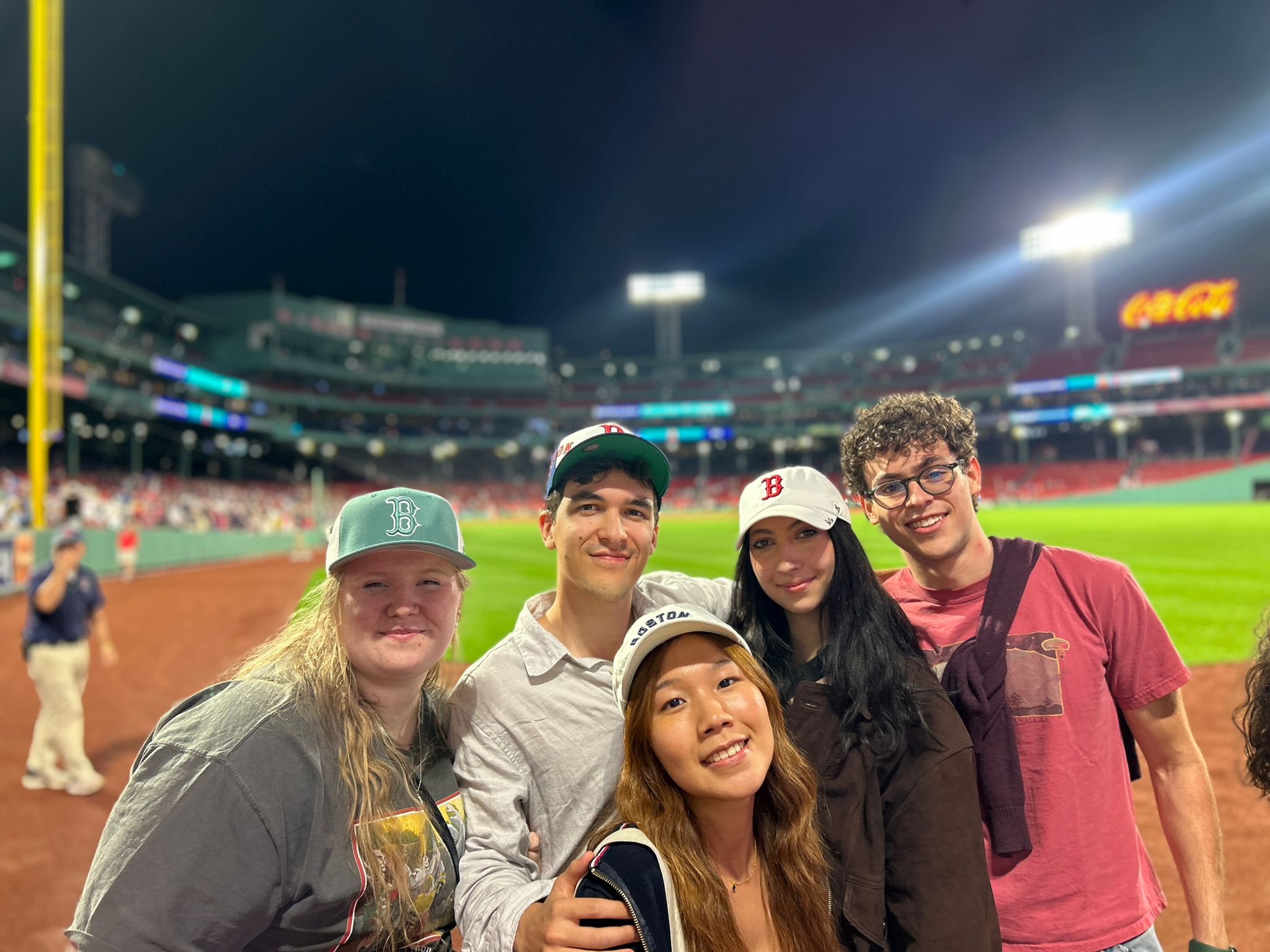
Outside of academia, I embraced new personal experiences that pushed me beyond my comfort zone. Attending a The Lumineers concert at Fenway Park was particularly memorable, as it was my first time going to a concert alone, and it marked a moment of independence and confidence. A group of us also travelled to New York City for a weekend, where we managed to fit in an intense amount of sightseeing, experiencing the city’s scale and energy first hand, from the Met steps and the Statue of Liberty to dinner in Little Italy and walking around shops in Brooklyn - a lot of photos were taken that weekend!
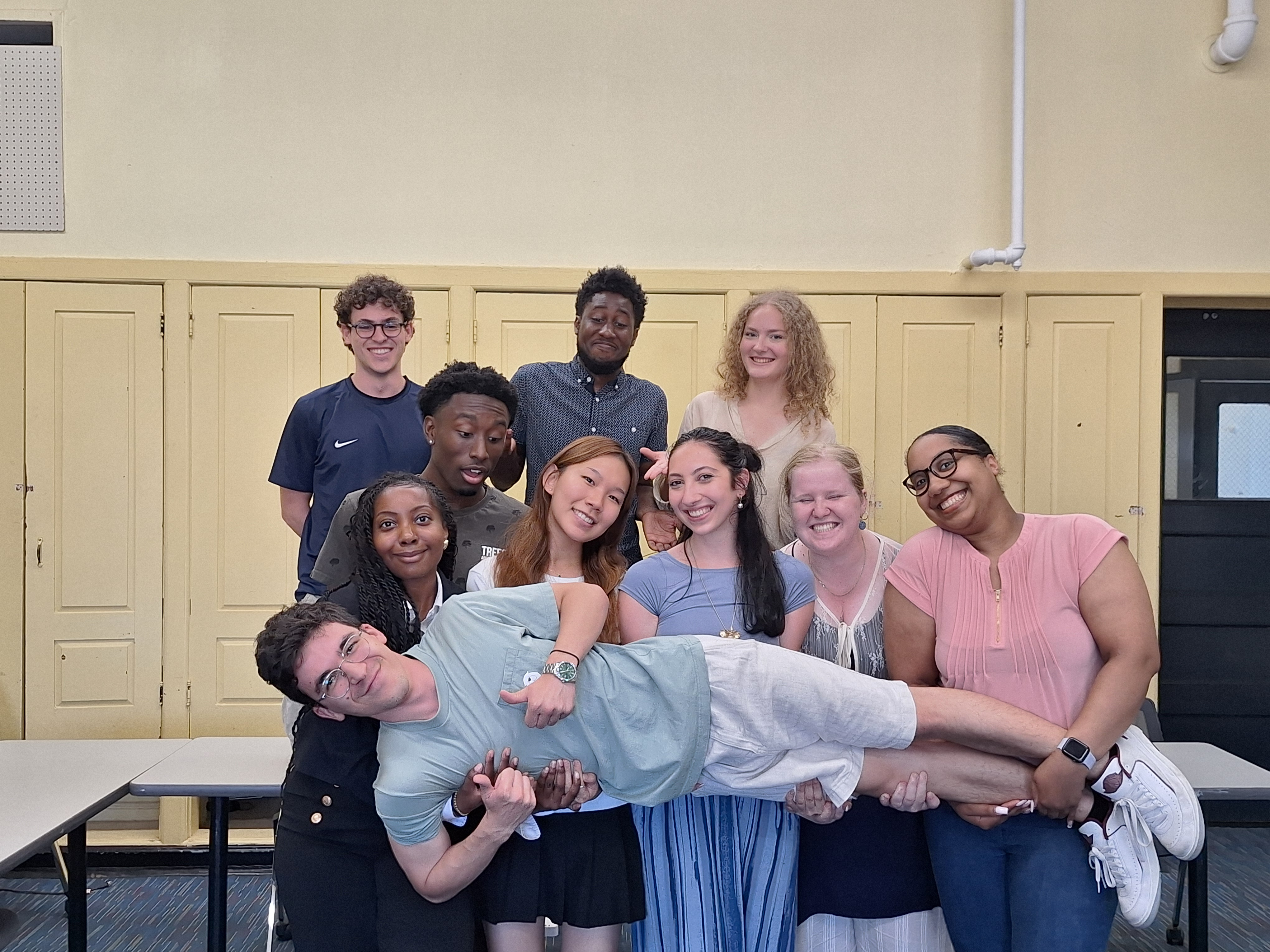
Equally important to me were the everyday moments shared with other Laidlaw Scholars. Whether it was spending time on campus at Tufts, enjoying 4th of July celebrations, meeting local scholars, or even going salsa dancing together during our first nights in the city, these experiences fostered a strong sense of community. Exploring the Freedom Trail, sharing dim sum meals with scholars and staff, and ending the programme with pho alongside some of the students were all moments that deepened these connections. These experiences shaped my time in Boston just as much as my formal role, contributing to a well-rounded and very memorable Leadership in Action project.
Conclusion
This Leadership in Action project has significantly shaped my understanding of leadership. I developed a deeper appreciation for the importance of patience, adaptability, and communication, particularly in educational settings. More importantly, I came to see leadership as a form of service, one that involves empowering others and creating opportunities for growth.
Overall, this experience was immensely rewarding. I am grateful to the Timothy Smith Network, the Laidlaw Foundation, and the scholars I worked alongside. The lessons I have learned will continue to shape my academic journey and future career, particularly my interest in education and non-profit work. This project has reinforced my belief that leadership is ultimately about enabling others to realise their potential and access opportunities that might otherwise remain out of reach.
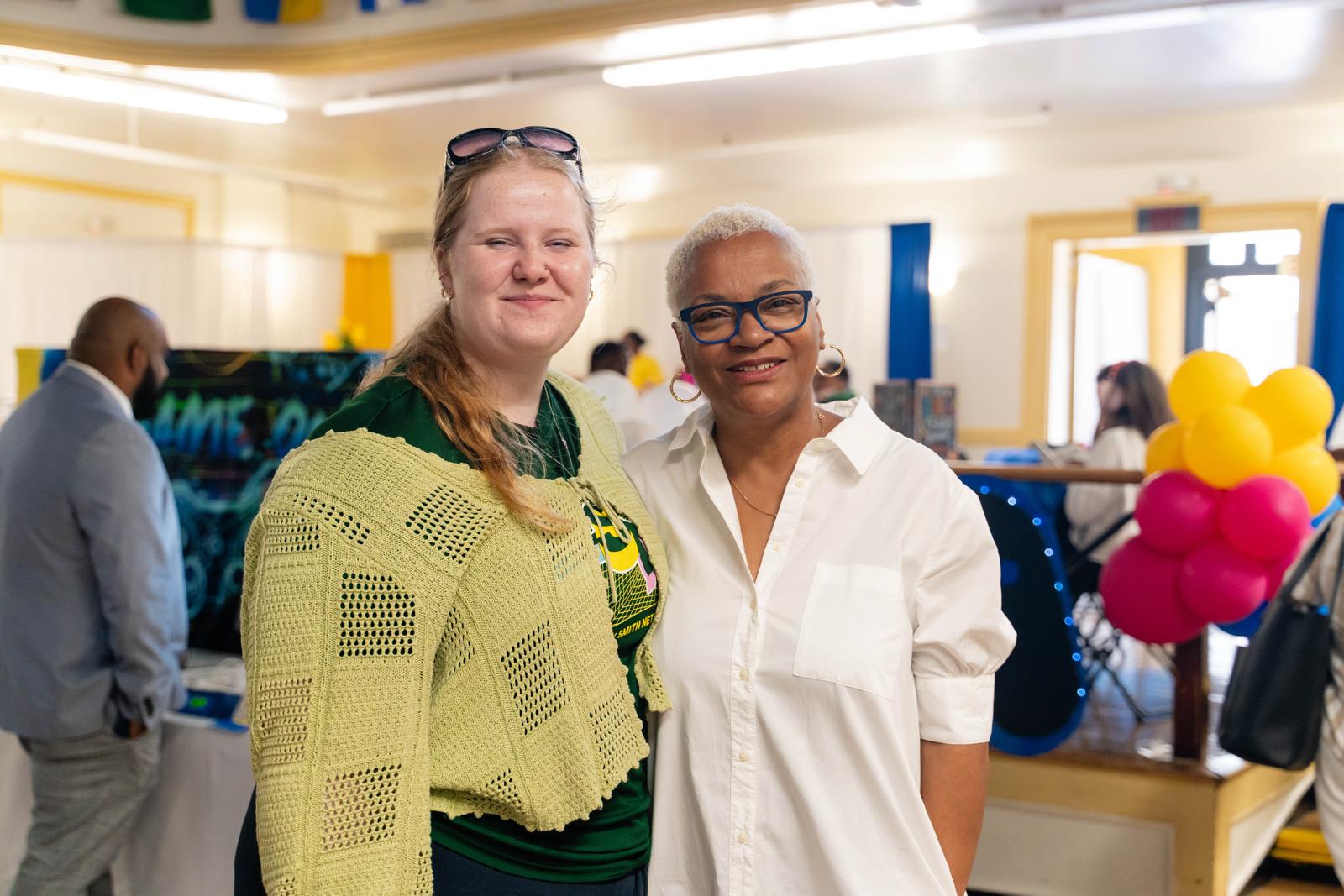

Hi, I'm Aaryn! I completed my BSc in Biological Sciences at Durham University and I am now at St Andrews for an MSc by research in Biology! I completed my research project in summer 2024, with a Leadership in Action project in Boston, summer 2025. My research project focused on the regulation of stem cells in model organism Drosophila melanogaster (common fruit flies) specifically investigating genes linked to cancer in humans and my LiA was with the Timothy Smith Network. I am particularly interested in genetics and disease, and I would like to pursue a career in research.