Oxford Research Summer Week 3
At the start of this week, it was eye-opening to hear from Catherine Day and Sir Matthew Rycroft, both career civil servants, about what leadership meant to them in a public service context. Their drive for a collective good, beyond party political lines, led to the birth of the National Strategy Project. On a more local scale, I can see parallels with Ashad's desire to break down barriers between ethnic clusters within the Leys community with his cricket club. This embodies, from my perspective, a selfless form of leadership, setting aside deeply entrenched structural differences to bring groups together.
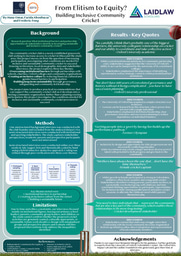
A further dive into the literature uncovered that inequalities are well-documented, but solutions to those inequalities have not been trialled. A possible direction for our research is to identify solutions to inequalities, in partnership with stakeholders to evaluate early-stage feasibility. We have begun to contact these community partners, but with the school summer holidays beginning next week, we may face challenges in scheduling these interviews. Once the club is up and running, in 1-2 years, future groups may be able to retrospectively analyse the efficacy of our planned interventions.
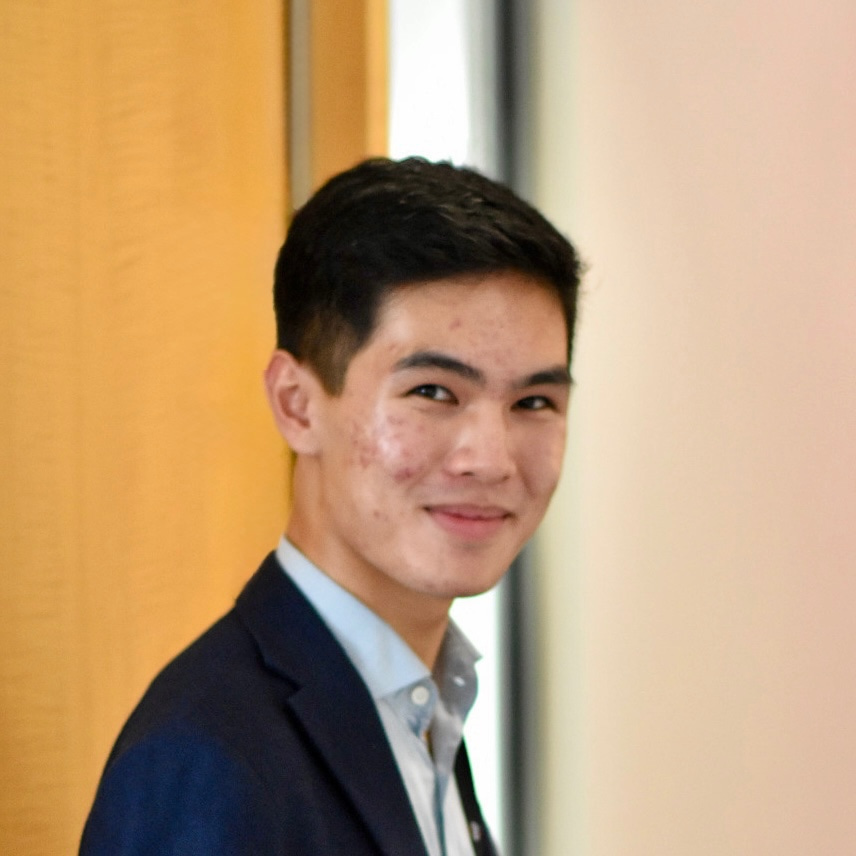
I'm Frederic, a first-year undergraduate on the six-year medicine programme (BA BM BCh) at the University of Oxford. Outside of medicine, I am an avid musician, playing violin with the Oxford University Philharmonia. This year, my research with the SDG Impact Lab partners with the recently established Leys Cricket Club to investigate participation of underrepresented groups in this community initiative.