Oxford Research Summer Week 2

Our week began with a visit to Blackbird Leys where we met with Ashad, the founder of the Leys Cricket Club. It was inspiring to hear about the genesis of his grassroots community initiative, as well as his own personal background and motivations. The club is in its early stages, so this year's research will seek to steer the directions of player recruitment and club establishment, whereas future years may be better equipped to survey participants directly.
During the conversation, we identified key groups at risk of underrepresentation. An area that Ashad touched on was the prevalence of ethnic (and possibly religious) clustering within the Leys community, which presents challenges with recruitment of players unless group leaders are brought on board with the initiative. The literature on ethnic clustering in Oxfordshire is sparse, but future directions of research may seek to examine whether ethnic clustering is a barrier to team integration within the Leys Cricket Club, once it is established.
Another identified group was that of women and girls, who only represented ~10% of subjects who completed the expression of interest form. This year, part of our research will seek to examine how we can drive gender balance in player recruitment. Conducting a literature review, we identified trends more broadly in the sports world. In the coming weeks we will search for potential solutions.
It is clear that Ashad feels strongly about social justice as a driver for the creation of the club. His aim to bridge the gap between less privileged communities and affluent educational institutes is admirable. He has already formed close connections with Radley College, but we may be able to assist in establishing links with the colleges of Oxford University.
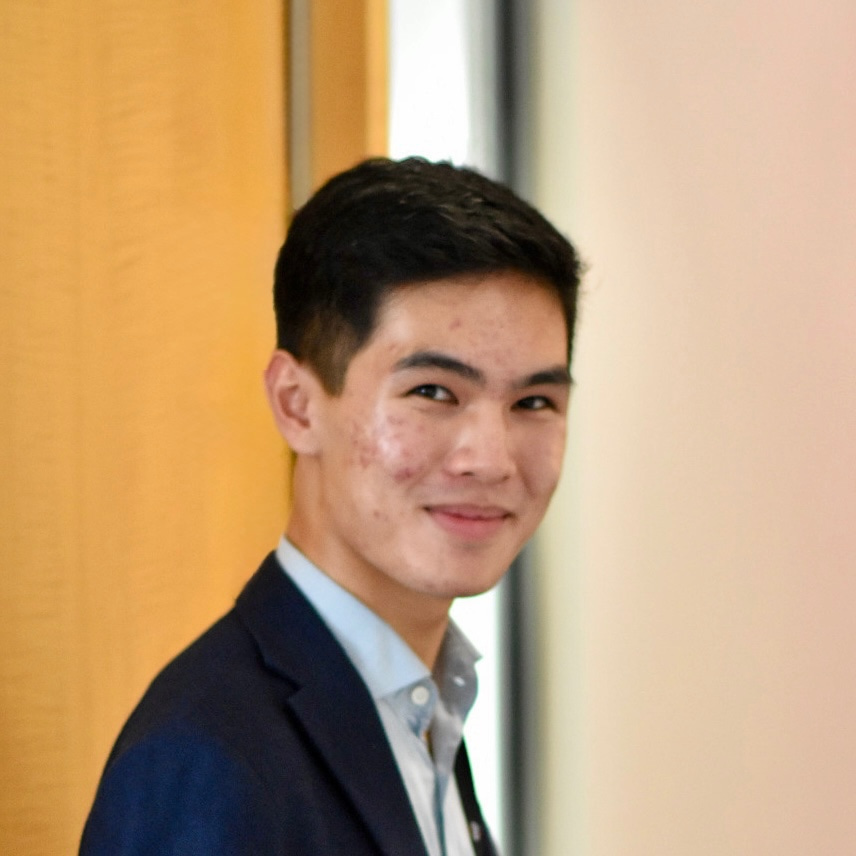
I'm Frederic, a first-year undergraduate on the six-year medicine programme (BA BM BCh) at the University of Oxford. Outside of medicine, I am an avid musician, playing violin with the Oxford University Philharmonia. This year, my research with the SDG Impact Lab partners with the recently established Leys Cricket Club to investigate participation of underrepresented groups in this community initiative.