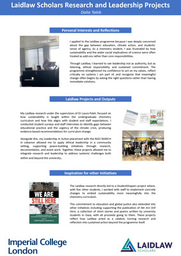
As part of my Laidlaw Scholars Leadership in Action project, I worked with the Lebanese NGO MARCH, which was founded in Tripoli initially as a peace-building initiative aimed at promoting social cohesion and countering sectarianism. Through this placement, the Leadership in Action component of the Laidlaw programme enabled me to apply ethical leadership principles in a real-world, community-based setting while contributing to the ongoing work of the NGO.
My involvement with MARCH began with an induction process that introduced me to the organization’s team, values, and internal protocols. This included signing a code of conduct and non-disclosure agreement, which emphasized the ethical responsibilities involved in working with sensitive content and community narratives. Alongside this, I undertook background research on MARCH by reviewing its website and materials to better understand its mission, approach, and the different spaces in which it operates. This initial phase helped situate my role within the wider objectives of the organization.
A core aspect of my work consisted of documenting and reporting community sessions, primarily at Hona Beirut. These sessions addressed topics such as freedom of speech, trauma healing, grief, belonging, and navigating difficult emotions. Through observing and recording these discussions, I gained insight into how participants engage with personal and collective experiences in a structured, supportive environment. This work required careful listening and sensitivity, particularly given the emotional depth of many of the conversations.
In addition to session documentation, I supported MARCH’s public events and outreach activities. I assisted with filming during a bus tour event organized by Hona Beirut and later wrote an article reflecting on the event and its aims. Translating live, participatory experiences into written form strengthened my ability to communicate the purpose and impact of community-based initiatives clearly and accessibly.
My role later expanded to include work at Kahwetna, MARCH’s community space in Tripoli. There, I documented sessions focused on grief, empathy, active listening, effective communication, self-confidence, and conflict transformation. I also reported on sessions related to civil registration processes, including births, marriages, divorces, and deaths, which highlighted how practical legal knowledge intersects with emotional and social wellbeing. Working in both Beirut and Tripoli allowed me to observe how MARCH adapts its programming to different community contexts while maintaining consistent core values.
Beyond documentation, I contributed to the organization of a debate event at Hona Beirut by helping with setup and acting as a note-taker during the discussion. This role required synthesizing diverse viewpoints in real time and reinforced the importance of respectful dialogue and clear communication in civic spaces. I also conducted independent research on current events in Beirut, compiling an incident report sheet that tracked significant developments throughout November. This task deepened my understanding of the broader social and political context in which MARCH operates.
Throughout the reporting period, I engaged in ongoing reflection on my experiences and learning. The project encouraged me to think critically about leadership as a practice grounded in listening, responsibility, and community engagement rather than authority alone. Working with MARCH has strengthened my understanding of peace-building and social cohesion as long-term processes that rely on trust, dialogue, and sustained local involvement.
Overall, my Leadership in Action project with MARCH has been a valuable opportunity to bridge theory and practice. Through research, documentation, event support, and reflection, I contributed to the organization’s work while developing skills essential to ethical and effective leadership. This experience has reinforced the importance of community-based initiatives in addressing division and fostering meaningful social change.