In my application for the Laidlaw Program, I wrote that leadership is the art of manifesting one’s dreams which can be made accessible by learning the framework of taking spontaneous decisions based on one’s natural instincts and past exposure. Moreover, I had juxtaposed this art with my experience of accompanying Indian classical musicians as a Tabla player where the ability to take timely decisions which are aesthetically appealing is a necessity, and this ability can be developed by blending practice and one’s instincts.
Although I still resonate with my initial formulation of leadership which embraces the artistic element of transforming one’s dreams into reality, having completed all the components of the Laidlaw Program which includes the Leadership-in-Action (LiA) project where I started an e-commerce venture for artists in India, the group research project on “Energy Transition in EU” and attending the leadership training workshops—I can now also appreciate the scientific element of manifesting one’s dream or vision. Specifically, I feel that there are three things which underlie this scientific element i.e., 1) the ability to break down a macro goal into actionable and clear micro targets; 2) setting up clear division of responsibilities and, hence, establishing a transparent accountability framework and 3) people management skills where the key is to not only align the team to a harmonious vision but to also ensure that micromanagement is minimized.
Therefore, post my Laidlaw experience, I now appreciate both the artistic and the scientific side to leadership.
Through the LiA project, where I started an e-commerce venture which aimed to empower artists in India, I learnt the skill of adaptability besides the skills needed to run a business venture with a positive societal goal. I learnt adaptability because, due to certain reasons, I opted for an industry experience year in India and it was during this time I designed a project meeting the guidelines for self-initiated LiA projects, got approval from the LSE Laidlaw team and completed my LiA project. Hence, through the LiA experience, I have developed as a leader who can embrace uncertainties and be adaptable, when necessary, while achieving the overall broader goal or mission.
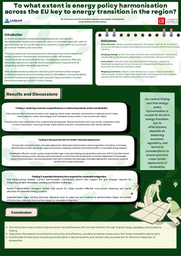
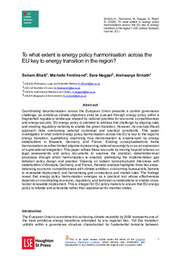
Through the research project where we studied “Energy transition in EU from an economic and legal lens”, I got to explore an area which falls under the umbrella of climate change management in which I would like to gain further academic and work experiences. Moreover, a key skill which I learnt through this project was that in order to lead, a leader needs to not only have strong domain knowledge but they also need to have the ability to see how different domains interact and shape the area of research—which in our case was energy transition.
In terms of my future goals, completing this program has given me the confidence to pursue a path which would align with my interests in the field of climate change management, and to carve a niche in this area by blending industry experience and academia. Additionally, I believe that the trainings which I received in Ethical Leadership would be applicable in any walk of life and has definitely shaped my perspective as a responsible and a global citizen.