Becoming a Global Citizen: My Laidlaw Journey
When I applied to the Laidlaw Programme 18 months ago, I was looking for something very specific. I felt I had lost my joy for learning in the transition from school to university. Large lecture halls made it easy to feel anonymous, and I craved an experience that would rekindle my curiosity, bring accountability, and give me structured leadership opportunities that weren’t just “fluffy theory.”
What I didn’t realise at the time was that Laidlaw would give me something even more valuable: a community.
Rediscovering Curiosity Through People
From the very beginning, what sustained me most wasn’t just the projects or the leadership training — it was the people. Fellow Scholars from around the world brought passion and integrity not only to their research but also to how they thought about ethics and leadership. Their curiosity helped pull me out of the rut I had been in, and our shared reflections made me see growth not just in academic terms, but in personal and professional ones too.
While the research component wasn’t my natural favourite, leaning into it taught me discipline, and the structured reflection Laidlaw builds into the programme gave me a toolkit I’ll carry forward for years to come.
Facing Personal Challenges
Laidlaw also put me face-to-face with challenges that shaped my understanding of myself as a leader.
-
Summer 1 brought imposter syndrome. Surrounded by Scholars who seemed deeply motivated by academia, I often wondered whether my work “stacked up.” Action Learning Sets became a lifeline. My group — made up entirely of women — was a safe space to admit doubts, reflect honestly, and turn insecurity into constructive action. I realised that self-doubt was not a personal flaw but a common experience, and that voicing it made it less powerful.
-
Summer 2 in Marseille tested me in a different way. Despite growing up abroad, I have become very rooted in home comforts since returning to Ireland. Moving to France stretched me in ways I didn’t expect — I felt homesick and out of place. But purpose and community helped me thrive. The six of us on the Make Sense x Laidlaw programme arrived as strangers and left as friends. Even when I had to leave Marseille early due to personal struggles, I was proud to continue supporting my team remotely and complete our deliverables for MerTerre, the NGO we worked with.
In both summers, resilience took different forms: persevering through self-doubt, and leaning into community when far from home. I’ve learned that resilience is not about never struggling — it’s about building systems and relationships that help you keep going when you do.
Learning Through Leadership Training
The structured LEAD sessions were another cornerstone of the programme. Each one pushed me in a different way:
-
LEAD 1 reinforced the importance of planning but also the need to expect the unexpected.
-
LEAD 2 with the Lir Theatre Company pushed me far outside my comfort zone in public speaking, teaching me I can be confident with the right tools.
-
LEAD 3 reframed my Leadership-in-Action project as not just a placement, but a test of global citizenship.
-
LEAD 4 & 5 in Carlingford combined outdoor challenges with conflict resolution workshops, reminding me that teamwork and reflection go hand-in-hand.
A consistent theme across all of these was clear: leadership is less about knowing the answers, and more about asking better questions, listening deeply, and creating space for others.
Communication, Collaboration, and Global Citizenship
The programme also made me more aware of my natural leadership style. I like setting expectations early and creating structure in teams, but I also lead with empathy — sometimes to the point where it makes holding boundaries harder. Balancing empathy with authority is something I’ll continue working on.
One of the biggest gifts of Laidlaw was the network. Collaborating with Scholars from Trinity, Hong Kong University, Brown, St Andrews, and Durham, and meeting grassroots NGO leaders in Marseille, broadened my perspective on what citizen-driven change looks like. Seeing how Make Sense runs similar programmes in South America gave me a sense of how these networks can open doors for future collaboration.
This, to me, is where the theme of global citizenship comes alive. It’s about stepping into new contexts, working across cultures, and recognising that leadership is not about control but about facilitation — helping groups move forward while respecting each voice.
Who I Am Becoming
I entered Laidlaw seeking “tangible” leadership experience. What I found was that the tangible outcomes — reports, posters, benchmarks — are only half the story. The less visible outcomes matter just as much: building psychological safety, naming doubts, navigating ambiguity, and reflecting honestly.
Today, I see myself as a leader who is reflective, adaptive, and people-centred. I don’t have all the answers, but I have the tools to keep asking the right questions, listening carefully, and acting with integrity.
Most of all, I’ve learned that leadership is as much about who you are as it is about what you do.
The Laidlaw Programme has been one of the most formative experiences of my undergraduate degree, shaping not just my skills, but my identity as a future leader and a global citizen.
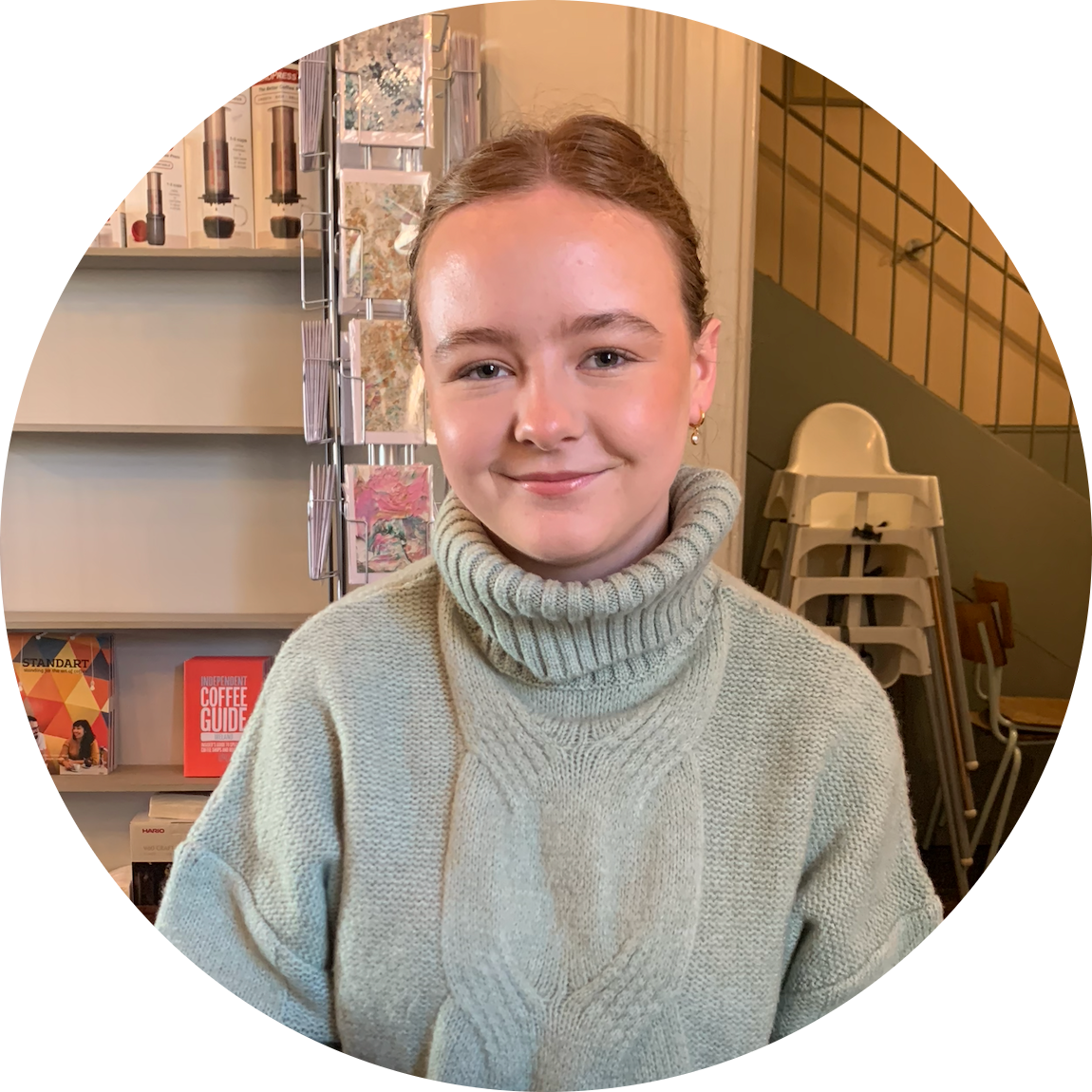
Hey! My name is Jemma and I am a 4th year business student at Trinity College Dublin. Throughout my studies so far I have found an interest in business sustainability and the ethical considerations in business practice. The balance between government intervention and business leadership in the strive for a sustainable future is one that fascinates me.
My research project is focused on the environmental and social certifications available in the sustainable fashion industry and how these can be improved to consider the accessibility of the industry. After all, every person, regardless of budget wears clothes and should have access to information detailing the impact of their purchases.
I grew up in Bahrain and Singapore where I studied at UWCSEA before moving home to Northern Ireland. I love going on sea swims and walks with friends, I have recently picked up running like the rest of the world and I love food and cooking. A side interest of mine is looking into the impacts of the food industry on public health and the environment. My favourite podcasts are A Diary of a CEO and the Huberman Lab podcast, my music taste is all over the place, I like a bit of everything.
