

Hi! My name is Emma and I'm a third year geography student at Trinity College Dublin.
I've been involved in activism for about 5 years now and I'm extremely passionate about education and climate change. My research project will analyse how my university engages with class and socioeconomic status, focusing in particular on progression from post-primary school to higher education.

I'm a third year medical student at Trinity College Dublin with a particular interest in neuro-oncology. I'm particularly interested in 'recycling' existing drugs and discovering synergistic drug combinations to treat tumours. I love all things neuroscience, please reach out if you have any questions :)
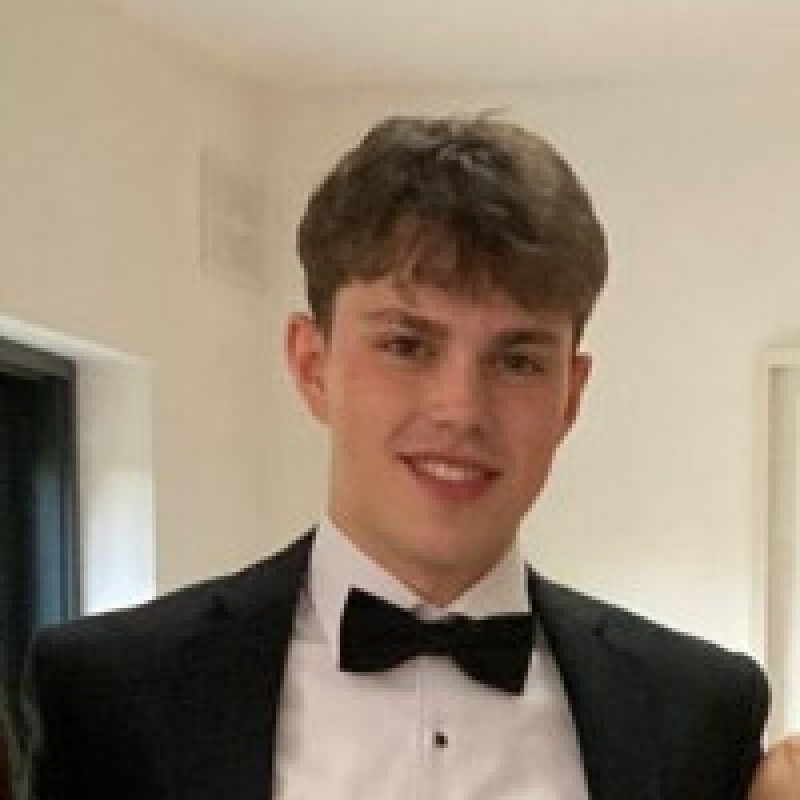
Hello! My name is Lochlann, and I am a student at Trinity College Dublin and part of the 2026 cohort of Laidlaw Scholars.
My Summer 1 research project focuses on the role of private supplementary tuition (“grinds”) in the academic achievement gap between public and private schools in Ireland. Using quantitative analysis of Irish educational data, I aim to investigate whether access to grinds contributes to differences in examination performance and broader educational inequality.
Through this research, my overarching goal is to contribute to conversations surrounding fairness, access to opportunity and educational policy. By examining how socio-economic advantage may shape educational outcomes, I hope to better understand the structures that influence inequality within education systems.
If you have any questions or would like to connect, please feel free to reach out!
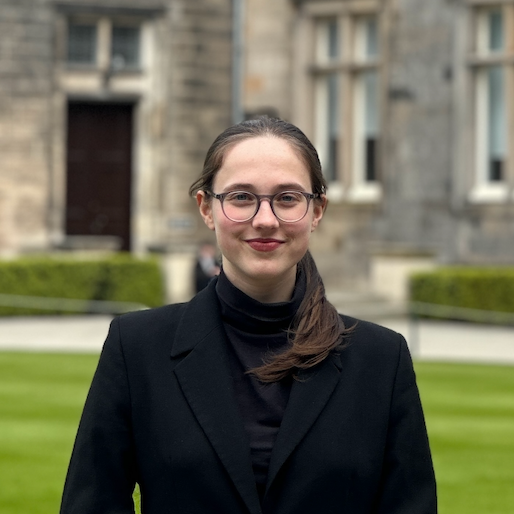
I am an undergraduate Laidlaw scholar from the University of St Andrews in Scotland currently conducting my research project. My research investigates the motivational drivers behind China's Environmentalism.
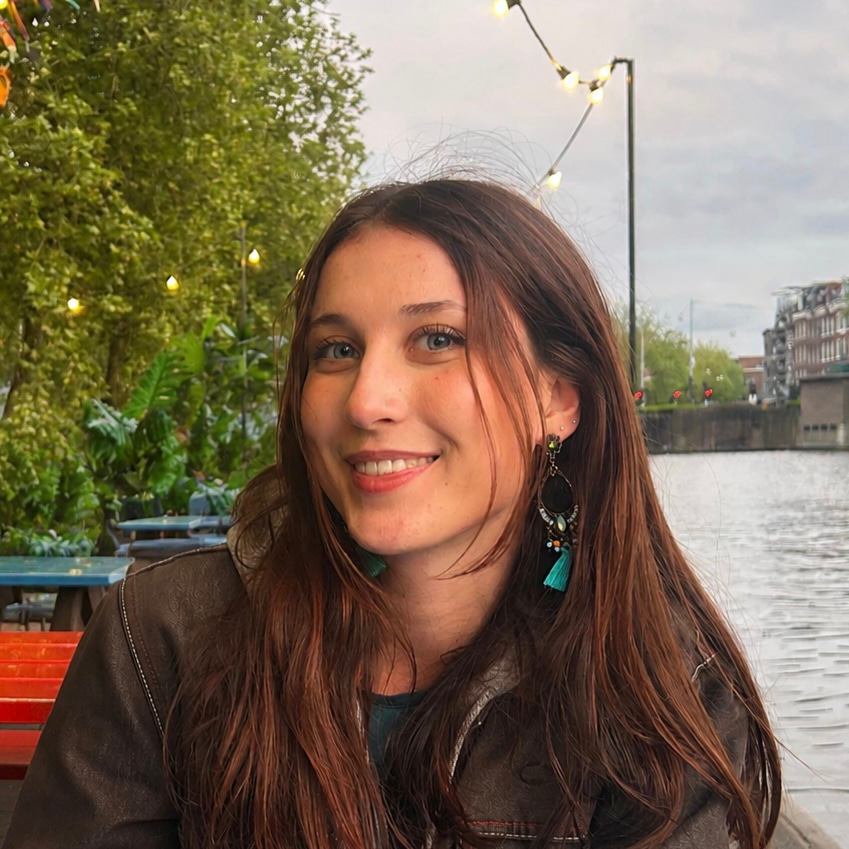
Hi everyone! My name is Anna and I'm part of the 2026 Laidlaw Scholars cohort at Trinity College Dublin, where I study Mathematics with a minor in Statistics.
For my research project, I'll be exploring a question that is becoming more important as AI develops: who is better at predicting the future, humans or algorithms? I'll be comparing forecasts from machine learning models with those from prediction markets, where collective human judgement is turned into live probabilities. After the 2024 US elections, prediction markets rapidly gained attention for correctly predicting the outcome before many traditional forecasts. At the same time, AI is making data-driven forecasting more powerful than ever. Through quantitative analysis, I'm curious to see whether the best predictions come from human insight, algorithmic pattern recognition, or perhaps a combination of both.
More broadly, I am interested in using mathematics to better understand and solve real-world problems like this one. I'm especially drawn to the way it combines logic with creativity, allowing us to approach challenges from different angles and develop efficient and innovative solutions.
Feel free to reach out if you want to discuss research or simply chat!
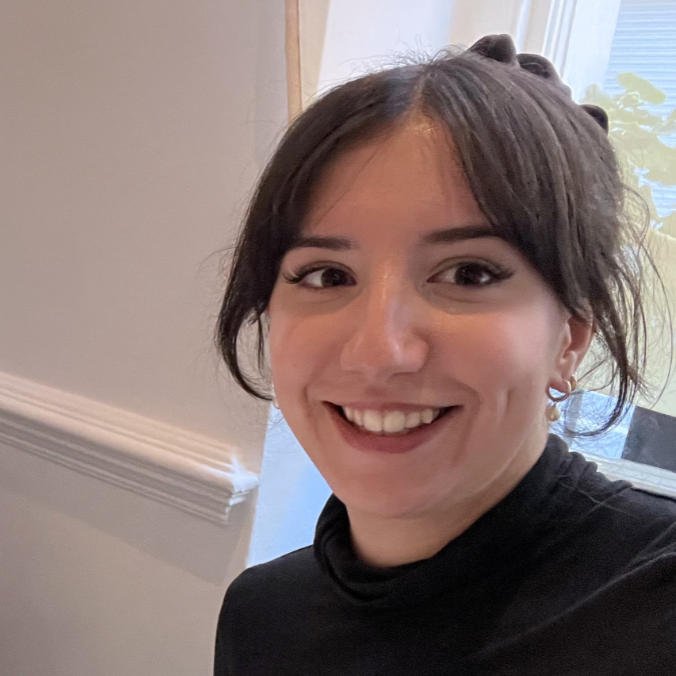
Hi! My name is Yanna, and I’m a second-year Psychology student at Durham University.
My research project (supervised by Professor Zanna Clay) explores how empathy emerges and matures in young children across cultures. I feel that today, empathy is more important than ever. In an increasingly digital world, social connections are changing and the erosion of deep passions, interests, and morals are leading to more individualistic societies. Understanding how empathy develops could help us to nurture its growth and contribute to more cohesive and compassionate communities.
Additionally, I hope to highlight the importance of recognising both the similarities and differences in psychological development across cultures. By doing so, I aim to promote greater inclusivity within the scientific community and support the development of culturally sensitive approaches to research and practice.
Hi! I'm Kritvi, currently a rising sophomore at Barnard College of Columbia University intending to major in Economics and Mathematics. Having experienced educational and economic systems in India, the UK, and the United States, I've become fascinated by the factors that drive economic development. My interests lie in development economics, particularly how technology can address inequality and support sustainable growth in developing countries. I enjoy exploring questions at the intersection of economics, data, and social impact.
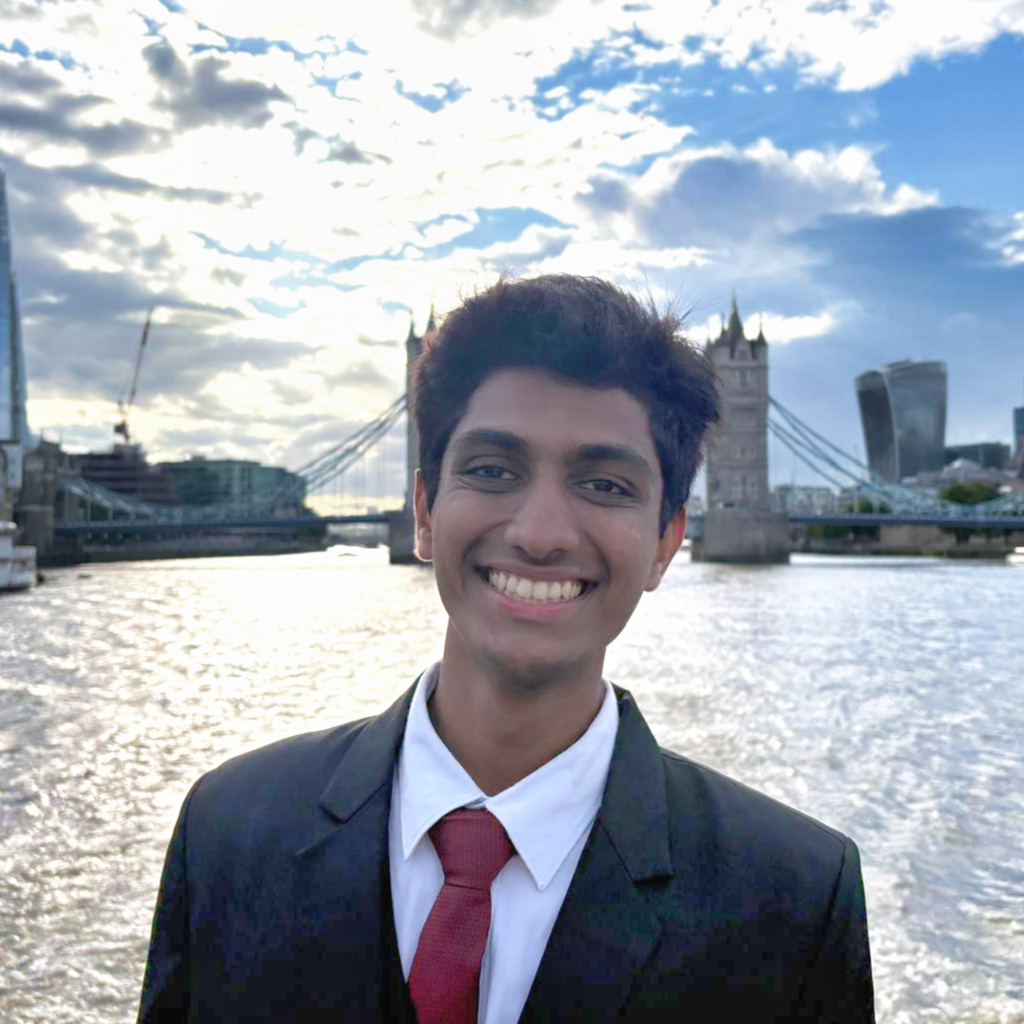
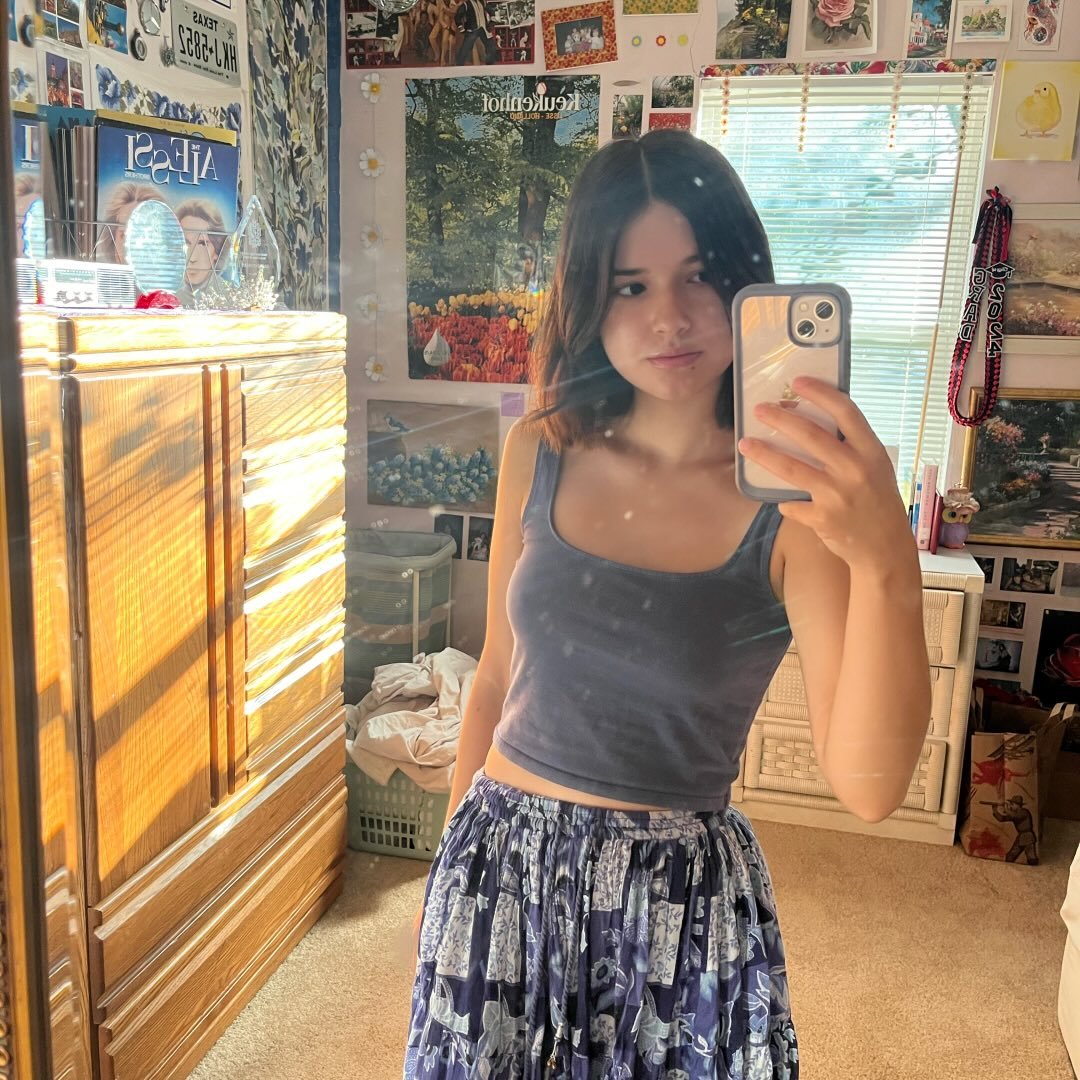
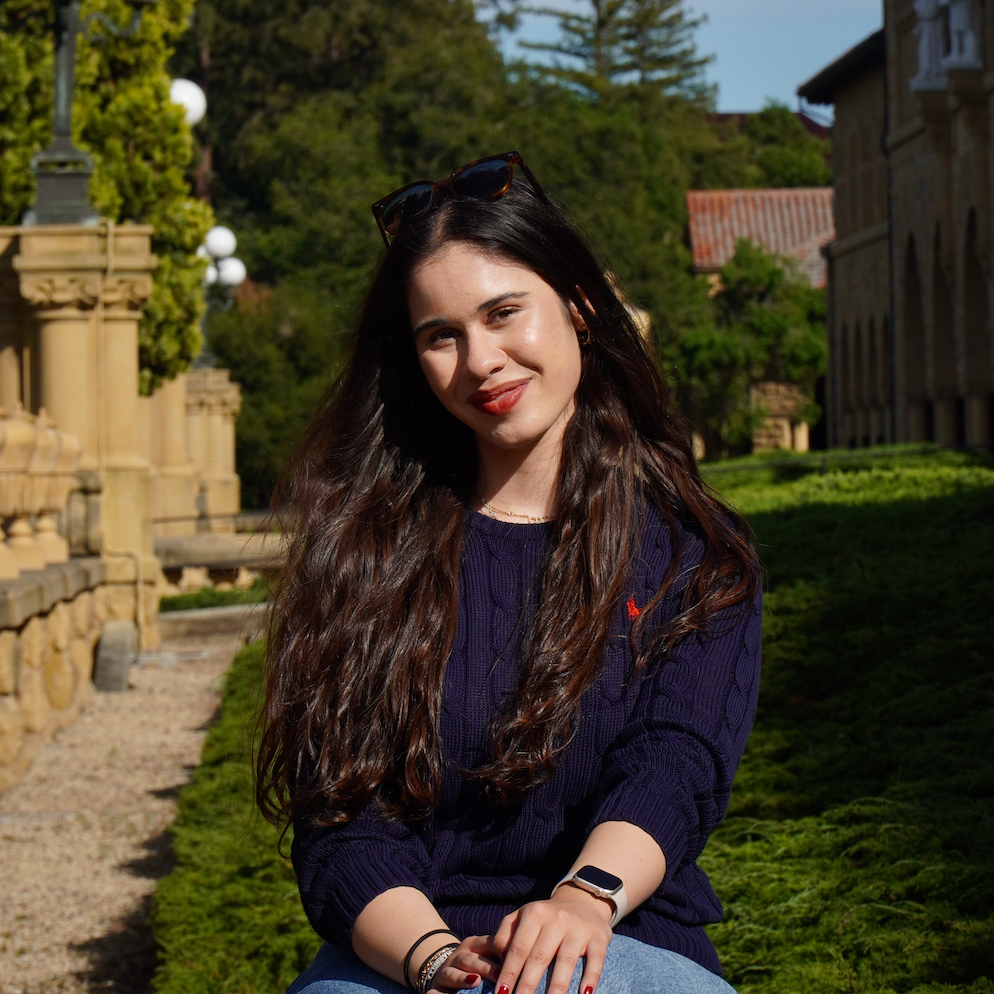

Hello! I’m Jess, a Civil Engineering student at the University of Leeds with a strong interest in sustainable development, climate‑resilient design, and the role of engineering in addressing environmental and social challenges. I’m particularly motivated by how infrastructure can be designed to support communities and contribute to a more sustainable future.
This summer, I’ll be working on 'Turning CO2 into power: Investigating how Ni-Co morphology affects electrode performance in CO2 batteries' with Professor Fang at HKU. I’m still at the early stages of the project, but I’m excited to explore emerging approaches to carbon utilisation and the potential for converting CO2 into usable energy. I’m looking forward to contributing to research that sits at the intersection of sustainability, innovation, and low‑carbon technologies.
Outside of academics, I really enjoy going climbing and going on long walks/hikes. When I am not outdoors, though, I will probably be watching a k-drama in my room to relax.
Please get in touch to talk about anything engineering or sustainability related, or if you have a good k-drama recommendation!

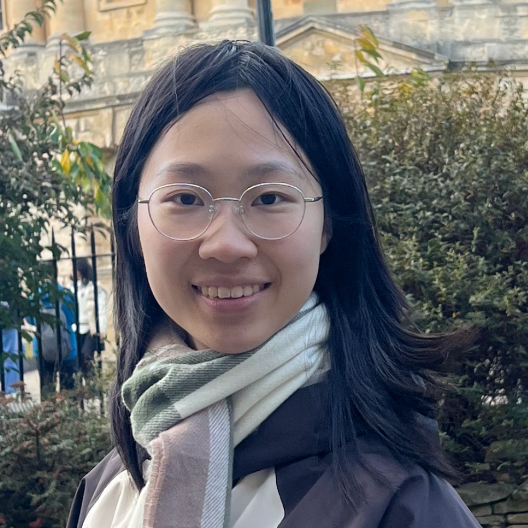
Hey! My name is Martha and I'm a first-year Psychology student studying at Durham University.
My research project examines how children in care engage with STEM subjects, exploring the barriers and opportunities that shape their educational experiences and long-term outcomes in this field. As previous research has shown that young people who are raised in care are eight times less likely to enrol in University and pursue STEM subjects, I believe that this gap demands immediate attention and targeted interventions so that there is equal access to STEM education for all young people, regardless of their background.
I am really looking forward to starting this research as it is a subject that I care a great deal about. Growing up in a fostering family, working in HAF summer camps and completing work experience in Liverpool schools in challenging areas have all given me a clear and early understanding of the care sytem which has deepened my determination to address the inequlities that these young people face.