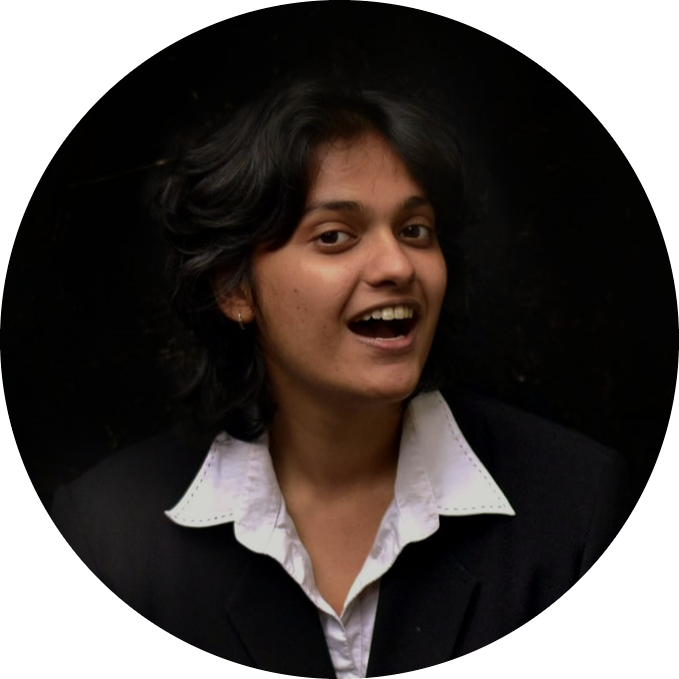
I am interested in the fields of mechanobiology, biohybrid prosthetics, biophysics, Jungian psychology, and philosophy.
Recently in association with Laidlaw;
In Cornell University (N.Y, U.S.A.) I worked on curating an art book on biomechanics for charity to raise awareness in this field of science.
And in Trinity College Dublin (Ireland), we worked on developing a microphysiological model of the osteocytic network in the bone that can be used to better understand the (patho)physiology of bone using Direct Laser Writing technology using MLO-Y4 cell culture.
On the side;
In ETH Zürich (Switzerland), I was working on understanding bio-hybrid muscle actuators using C2C12 cell culture by amassing literature review, designing biobot unit, and conducting biocompatibility tests along with growing and differentiating muscle cells for further electrical stimulation.
At DogPatch Labs's Patch (Dublin, Ireland) I was experimenting with creating a start-up company to help amputees get affordable prosthetics.
On the (other) side;
I like to dance, write, and read anything I get my hands on; be it music, poetry, or even shampoo bottles.
Please feel free to contact me here or on LinkedIn for any discussions regarding the aforementioned topics!

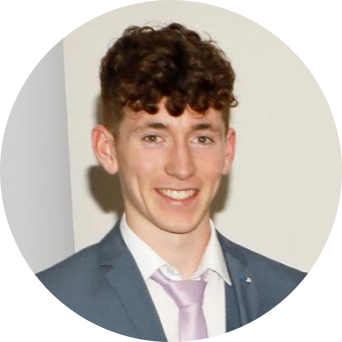
Joel McKeever
Equality Officer (Laidlaw Programme Coordinator 2018-2024), Trinity College Dublin
Joel was the Laidlaw Programme Coordinator for Trinity (2018 - 2024). In this role he managed leadership development activities, student coaching, programme design, and the day-to-day support of the Laidlaw Scholars. He is currently the Equality Officer for Trinity, and works to promote equity, belonging, and non-discrimination for Trinity staff, students, and the wider Trinity community, in all areas of university life and with particular regard to the protected grounds in equality legislation. He has previously worked in a range of higher education development roles including student services and global engagement.
In 2026 he is a supervisor for a Laidlaw Scholar research project entitled 'A Class Education: How does Trinity engage with class and socioeconomic status in 2026?'.
He is a founder and current Co-Chair of Trinity's LGBTIQ+ Staff Network and is committed to Trinity's mission of fostering excellence and creating social good by championing an accessible, diverse higher education environment. A graduate of Trinity, he holds a B.A. (Mod.) in English Studies, and further qualifications in Learning, Development and Coaching (CIPD), EDI Policy and People; Teaching, Learning and Assessment for Academic Practice (TCD), and as a Certified Student Affairs Educator (HECSAC).
Trinity College Dublin joined the Laidlaw Network in 2018. The Laidlaw Programme offers undergraduate students at Trinity the opportunity to develop the knowledge, skills, and experience to become active global citizens and future leaders.
Laidlaw Scholars work with an academic supervisor on a self-directed, independent research project and take part in a suite of integrated leadership development activities which culminate in a challenging applied leadership experience. Laidlaw Scholars join a community of learning, driven by curiosity and collaboration, which enables diverse voices to make a meaningful impact.
The Laidlaw Programme at Trinity is open to undergraduates in the second year of a four year programme or the second/third year of a five year undergraduate/integrated masters programme.

Hi! I am a first year student at Durham University studying Natural Sciences, with particular interests in ecology, physical geography and coding. My research project was with the geography department at Durham and involved looking at data from bedrock rivers in North America from a geomorphological perspective. In my spare time I play badminton, sing opera and bake and have been trying to take on some lower level leadership roles to practice the skills I'm learning in this program.

I am an alumni of the undergraduate research and leadership programme (2020). I've got a degree in Zoology from Trinity College, Dublin and I'm currently studying for a Master of Public Administration (Urban Policy) at UCL.
My research project aimed to determine the most abundant plant species in Dublin City and analyse their functional traits to make inferences about these species' suitability for use as nature-based solutions, which is a newly proposed concept for simultaneously regreening cities through the use of nature to combat socio-environmental and climate-related problems.
Currently I'm working alongside other Laidlaw Scholars to develop a community kindergarten and evacuation centre in Dreketi Settlement, Fiji. We're always looking for ways to collaborate with other scholars and groups on this project so if you're interested – let's chat!
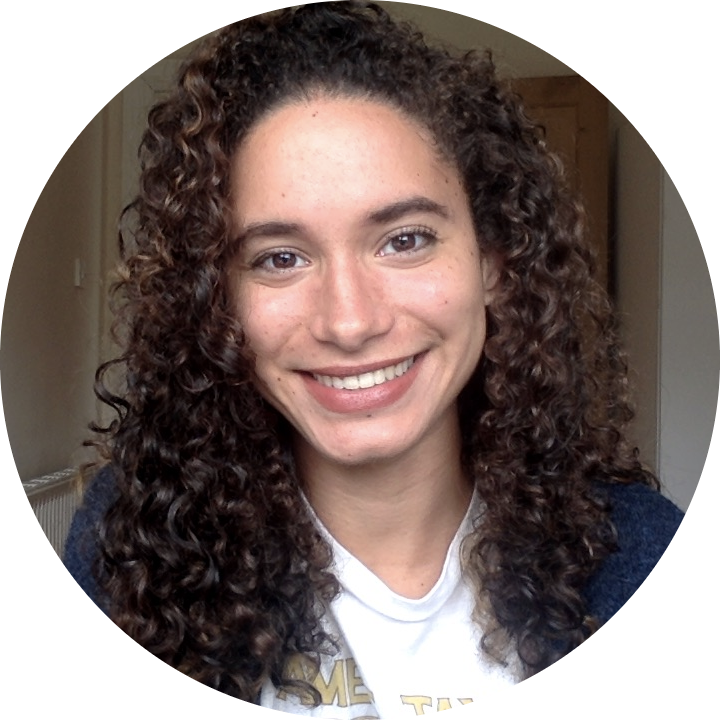
I am a third-year TSM student in Trinity College Dublin for History and Philosophy. My research project aims to establish a multitiered argument against the use of Future Dangerousness in American criminal court, especially in capital cases. I outline the concept of Future Dangerousness, its uses, and how its fundamental inconsistencies facilitate miscarriages of justice than continue into today.