

Laura Littlefair
Laidlaw Scholars Leadership and Research Programme Manager, Durham University

Anthropology and Sociology Undergraduate; from Bristol, UK.
I am completing a research project on narrative transmission and reproduction, looking at how oral accounts of geological events are passed down accurately over generations. By understanding how narratives are constructed I am keen to explore interdisciplinary approaches, particularly between Anthropology, Linguistics, Computer-Human Interaction, and Cognition.
Other interests include literature, art and photography, architecture, astronomy, and outdoor pursuits.
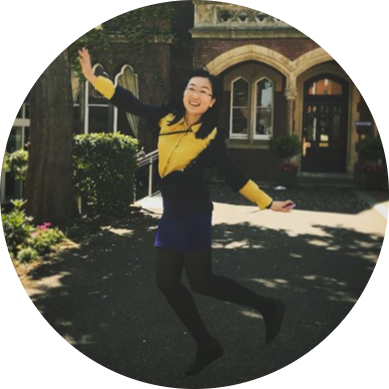
An Education Studies students at Durham University. My research is based on the how digital literacies can affect the social wellbeing of the older generations. I am particularly interested in the education for the elderlies as I believe education can benefit all individuals, not just the younger generations.
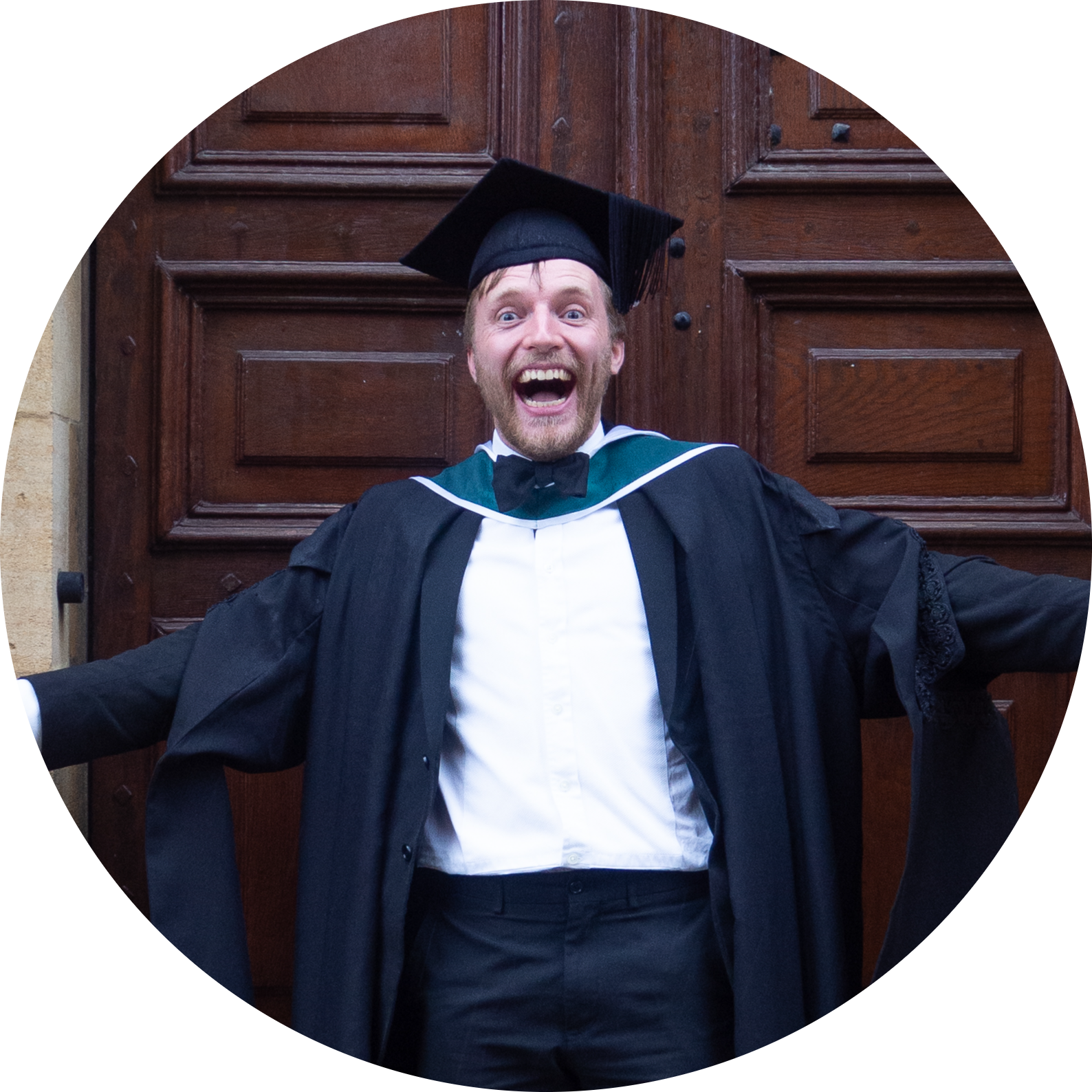
Veteran of Durham's first Laidlaw cohort (2017) and founder-president of Durham University Laidlaw Society, my project looked at the history of gender, medieval science, and the purpose of learning in the 12th century. I now have an administrative job in Durham's History Department, and use my spare time to theorise 'neurodiversity' as a problem in the history of science and social epistemology. BA (Dunelm.) MSt (Oxon.)
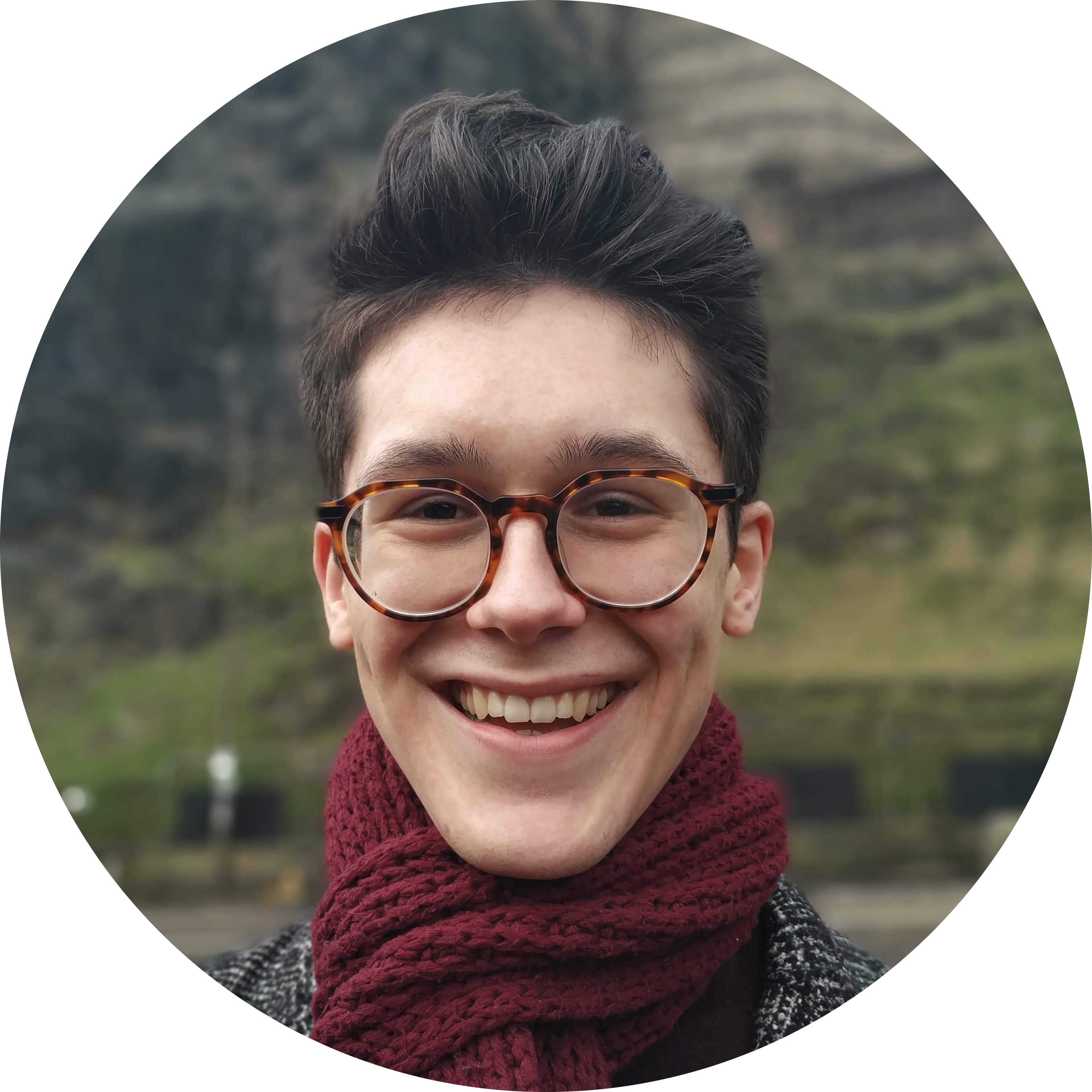
Hello! I'm Reuben, an Art History and Film student researching 'The Sonic Body: Technology, Embodiment, Gender' with the University of St Andrews and Trinity College Dublin. I am also a student filmmaker and illustrator, and host 'The Theory of Everything Podcast' for StAR Radio.
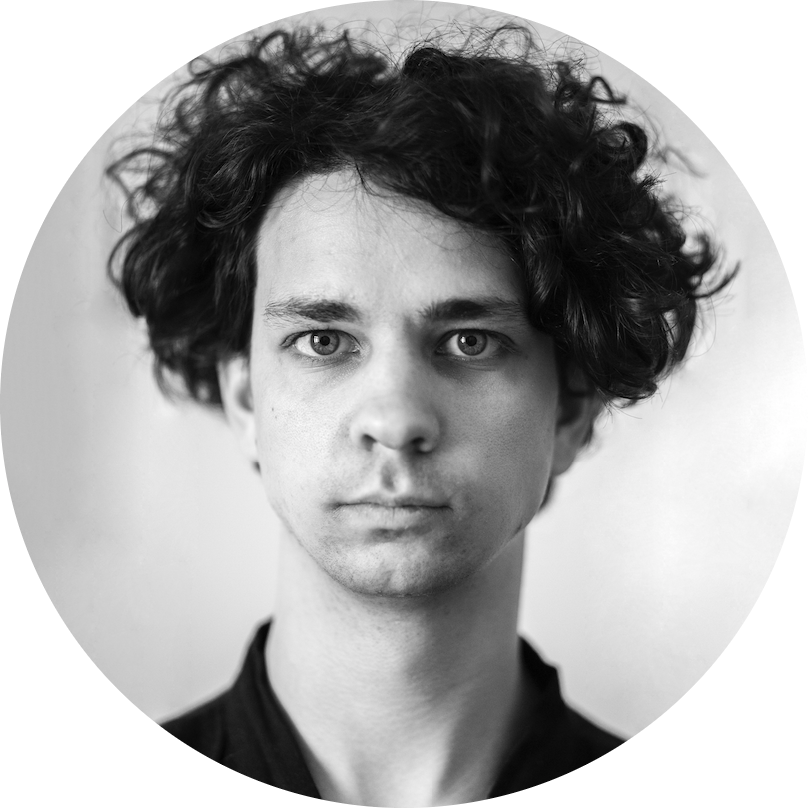
Hullo! I'm postgrad student in St Andrews reading Sustainable Development with a focus on urban planning. My bachelor's degree at Durham centred around Chinese & French language, culture, and literature, which I'm still involved with on the side, along with photography and Continental & Eastern philosophy.

I am a Career Development Fellow in the Psychology Department at Durham University, where I research the psychological processes that enable people to adapt, remain motivated, and flourish in challenging environments.
My research sits at the intersection of resilience science, Self-Determination Theory, and well-being. I am particularly interested in understanding how individual, social, and environmental resources interact to support resilient well-being across diverse contexts. My doctoral research examined these processes among polar expeditioners living and working in isolated, confined, and extreme environments, using mixed methods to explore how basic psychological needs underpin resilient functioning.
I am now extending this work beyond polar environments to investigate resilient well-being in higher education, sport, and other high-challenge settings. My research adopts a socioecological perspective, recognising that resilience emerges through the dynamic interaction between people and their environments rather than residing solely within the individual.
Alongside research, I teach quantitative and qualitative research methods, statistics, and psychology at undergraduate level, supervise student research, and enjoy translating psychological science into practical applications for education, sport, organisations, and communities.
Before entering academia, I spent over two decades working in community development and youth work, founding and leading a social enterprise supporting children, young people, and disadvantaged communities. These experiences continue to shape my research philosophy: I believe the best psychological science should not only advance theory but also improve people's lives.
My work combines rigorous empirical research with a strong commitment to real-world impact, and I am always interested in collaborating with researchers and practitioners working in resilience, motivation, well-being, Self-Determination Theory, higher education, sport psychology, extreme environments, and community-based research.