Scholar Spotlight - Kathleen Francisca Liem
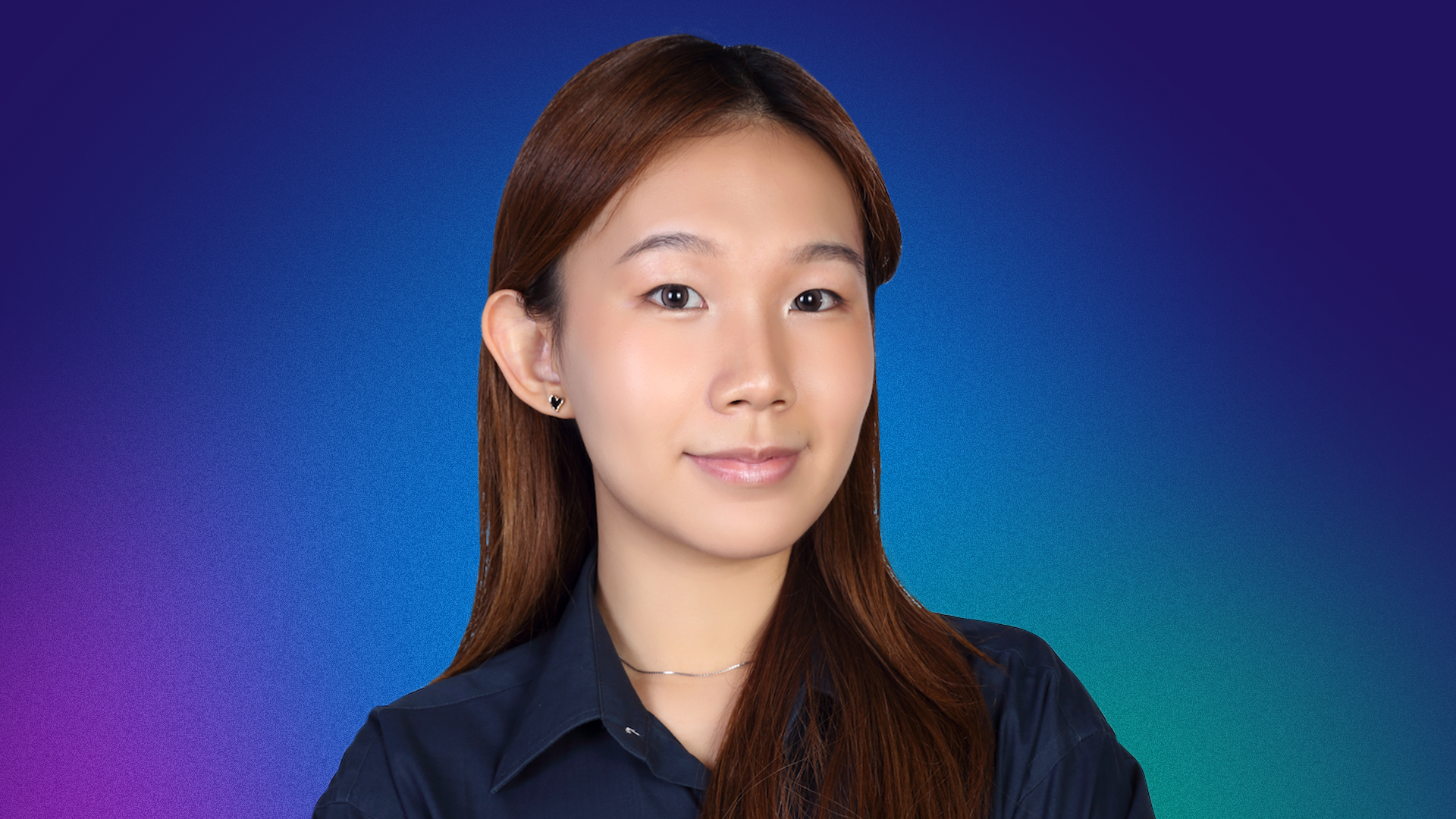
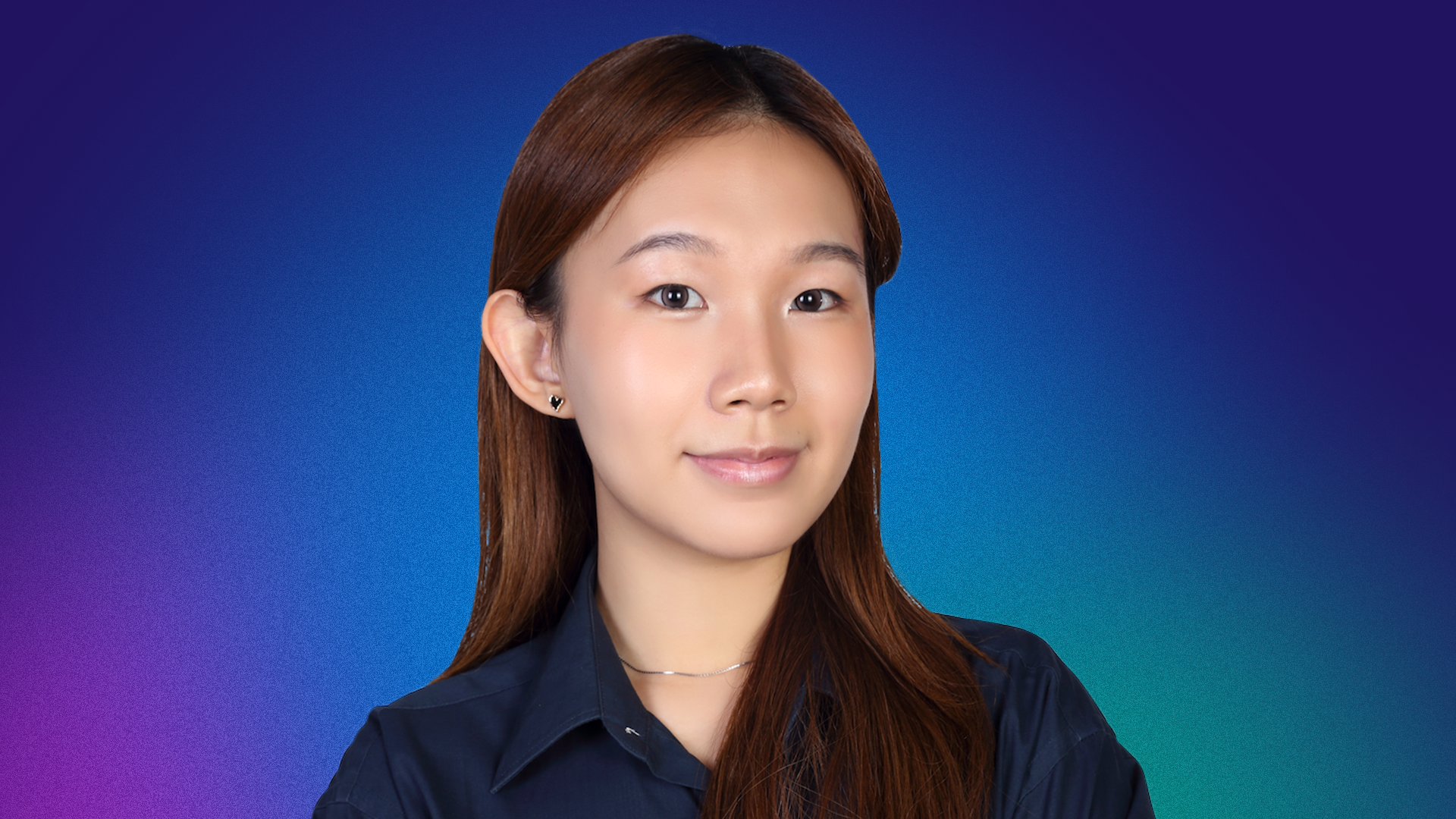
Kathleen Francisca Liem, a Laidlaw Scholar at The University of Hong Kong, on engineering immune cells to tackle some of the toughest challenges in treating solid tumours.
Research title
Future of CancerImmunotherapy: Advancing CARMa with Innovative RNA Vector Multi-Modality
Please briefly outline what your research is about, and its potential real world impact
My research focuses on developing a next-generation cancer immunotherapy called CAR-Ma (Chimeric Antigen Receptor Macrophage), engineered as part of the HKU iGEM 2024 project. Unlike conventional CAR-T therapies, which primarily target blood cancers and often struggle in solid tumours, CAR-Ma harnesses macrophages – immune cells naturally capable of infiltrating solid tumour environments. This approach directly addresses one of the biggest limitations in current cancer treatment: the tumour microenvironment (TME), which suppresses immune activity and limits therapeutic effectiveness.
At the core of this innovation is a novel multi-modal RNA vector, designed to perform three coordinated functions: controlled self-replication, transient gene expression, and regulated release of gene-silencing components. This system allows CAR-Ma to enhance macrophage phagocytosis while temporarily disrupting tumour immune evasion pathways such as CD47/SIRPα and PD-L1. By using RNA rather than DNA-based vectors, the therapy is non-integrative and transient, significantly reducing the risks of permanent genetic alteration and insertional mutagenesis.
The CAR construct incorporates a fifth-generation design powered by a humanized nanobody targeting glypican-3 (GPC3), a marker highly expressed in cancers such as hepatocellular carcinoma. Enhanced co-stimulatory domains and controlled interferon-gamma expression further promote anti-tumour immune activation.
The potential real-world impact of this research lies in creating a safer, more controllable, and cost-effective immunotherapy for solid tumours, which account for over 90% of cancers. Beyond clinical application, this platform technology could accelerate innovation in RNA therapeutics, gene editing, and synthetic biology. Ultimately, CAR-Ma represents a step toward more precise, adaptable, and accessible cancer treatments, with the potential to improve patient outcomes globally while advancing the broader field of biotechnology.
Where did your passion for this research originate? How does your personal story feed into it?
My passion for this research stems from a lifelong curiosity about how things work and how problems can be solved. Since I was young, I have viewed challenges like puzzles – complex systems made up of smaller pieces waiting to be understood and rearranged into solutions. Science, especially biology, felt like the ultimate puzzle: intricate, dynamic, and deeply connected to human life.
This curiosity became deeply personal when I saw the impact of disease within my own family. My grandfather’s battle with Alzheimer’s disease – an illness that currently has no definitive cure – profoundly shaped my perspective. Watching someone I love gradually lose memories and independence made me realize how fragile health can be. It also made me question why, despite modern medicine’s progress, so many diseases remain beyond our control. That question became a driving force. I did not want to passively accept the limits of current treatments; I wanted to contribute to expanding them.
My interest further intensified when I listened to a podcast discussing breakthroughs in synthetic biology and gene engineering. For the first time, I understood that biology is not only something we study – it is something we can design. The idea that RNA, cells, and genetic circuits could be engineered to fight disease felt revolutionary. It showed me that technology and biology together could transform medicine from reactive care to precise, programmable solutions.
CAR-Ma represents the intersection of my curiosity, my personal experiences, and my belief that innovative biotechnology can improve health and quality of life for future generations.
What is the most memorable moment from your Laidlaw scholarship experience so far?
It is difficult to choose a single most memorable moment from my Laidlaw Scholarship experience because it has been filled with so many meaningful memories across two transformative years.
In my first year, some of the most unforgettable moments were the late nights in the lab with my peers. Long after campus had quieted down, we would still be there – running experiments, troubleshooting protocols, and supporting one another through setbacks. In those moments, I truly felt how united research can be. We stressed together, cried over failed results, laughed at small mistakes, and cheered for every breakthrough. Those nights showed me that research is not a solitary pursuit; it is built on shared resilience and collective belief.
In my second year, my most memorable experience was being in Boston with my students as they prepared to take the stage and present their work. Just before their presentations, the room was filled with a mix of excitement and nerves. I remember going from one student to another, offering encouragement and seeing the spark in their eyes. Watching their growth and confidence filled me with immense pride. I grew deeply fond of them, and it amazes me that I am still in touch with many of them today.
What is the biggest challenge you came across in your research and leadership journeys so far, and what did you learn from it?
The biggest challenge in my research journey has been navigating moments of doubt – especially when experiments repeatedly fail despite exhausting, meticulous effort. Research is often repetitive: adjusting a single variable, running the entire protocol again, and waiting for results that may still not work.
There were times when progress felt invisible and discouragement set in. From this, I learned that resilience is not dramatic; it is quiet persistence. I learned to separate my self-worth from experimental outcomes and to see “failed” results as data guiding the next step rather than as personal shortcomings.
In my leadership journey, the greatest challenge has been recognizing that every student learns and connects differently. What motivates one person may overwhelm another. Bringing together individuals with diverse personalities, strengths, and insecurities into a cohesive team required empathy and adaptability. I learned to listen more carefully, to communicate in multiple ways, and to create spaces where different voices feel valued.
Both experiences taught me the same lesson: progress – whether in science or in people – requires patience, flexibility, and trust in the process.
What does it mean for you to be a Laidlaw Scholar?
To me, being a Laidlaw Scholar means discovering myself through experiences that are greater than myself. It is about stepping beyond comfort, beyond familiar environments, and beyond individual ambition to engage with challenges that carry real impact. Through research and leadership, I have come to understand my strengths, limits, values, and resilience – not in isolation, but in the context of serving something larger: scientific progress, my team, and the communities we hope to benefit.
Laidlaw has shown me that growth does not happen inwardly alone; it happens when we contribute outwardly. By confronting uncertainty in the lab and responsibility in leadership, I have learned who I am under pressure, in failure, and in success. Being a Laidlaw Scholar is therefore not just an achievement, but a continual journey of becoming – shaped by purpose, service, and the pursuit of meaningful change.
Which particular leaders inspire you the most and why?
Marie Curie is the leader who inspires me most. What moves me is not only her extraordinary scientific achievements, but the quiet resilience and conviction behind them. At a time when women were excluded from much of academia, she pursued knowledge with unwavering determination, becoming the first woman to win a Nobel Prize – and the only person to win Nobel Prizes in two different scientific fields. Her work on radioactivity fundamentally transformed medicine and physics, yet she remained deeply committed to applying science for humanitarian benefit, developing mobile X-ray units during World War I to treat wounded soldiers.
What I admire most is her perseverance in the face of hardship – financial struggles, institutional barriers, and personal loss – without losing intellectual integrity or humility. She pursued discovery not for recognition, but out of genuine curiosity and a desire to serve humanity.
Marie Curie represents the kind of leadership I aspire to embody: principled, resilient, and purpose-driven. She reminds me that meaningful impact often requires courage to challenge norms and persistence to continue even when the path is uncertain.
Briefly describe a scene from the future you are striving to create.
I imagine a future where I walk into a lab knowing that the work my team and I are doing will genuinely change someone’s life – not in theory, but in reality. A treatment we helped develop becomes the reason a family has more time together. A diagnostic tool we built reaches communities that previously had little access to advanced care.
In that future, the therapies we design are made with accessibility in mind from the start – scalable and adaptable across different healthcare systems. I see myself working not only on the science itself, but also on how it is communicated. Science education becomes part of my responsibility: helping the public understand biotechnology, addressing fears transparently, and making knowledge less intimidating and more inclusive.
I am leading with empathy as much as expertise, building teams where people feel valued and bold enough to try new ideas, because better science comes from broader perspectives.
I also see myself mentoring students who once felt unsure, the way many of us do at the beginning. If I can create spaces where innovation is grounded in compassion and science is guided by integrity, then I will know I helped build a future that is both advanced and deeply human.
Quick-fire Questions
📺 Currently Binging:

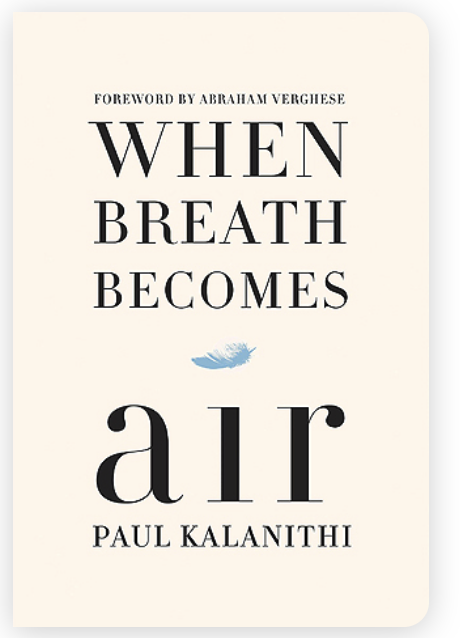
When Breath Becomes Air by Paul Kalanithi
🎙️Podcast obsession:
The Diary of a CEO, No Such Thing As A Fish, Huberman Lab, Radiolab
Vienna by Billy Joel or Youth by Glass Animals
🌈 Something that made me feel joy recently:
Seeing my fluffy, slightly mischievous poodles bolt through the front door after three weeks away, tails wagging with pure, unfiltered excitement.
If you want to learn more about Kathleen Francisca Liem's work, explore her research here and follow her on LinkedIn. Kathleen Francisca Liem is a Laidlaw Undergraduate Leadership and Research Scholar at @The University of Hong Kong . Become a Laidlaw Scholar to conduct a research project of your choice, develop your leadership skills, and join a global community of changemakers from world-leading universities.
Find out more about the Laidlaw Scholars Undergraduate Leadership and Research Programme.
🔦 Discover more Scholar Spotlights:
⚡️ Yuki Agarwala, a Laidlaw Scholar at Imperial College London, looks into developing a microneedle patch to deliver a therapeutic cancer vaccine for human papillomavirus-induced cancers
⚡️ Sebastian Glasper, a Laidlaw Scholar at the University of Leeds, explores social media’s role in mitigating loneliness among older adults.
⚡️ Eliana Amoh, a Laidlaw Scholar at Cornell University, explores the intersection of education, labour, and migration in and out of Ghana.