As my Laidlaw research project enters its final stretch, this week has been less about learning new laboratory techniques and more about stepping back to interpret the work I've carried out over the past five weeks. Generating results is an important milestone, but research only becomes meaningful when those results are analysed, communicated, and placed within the context of wider scientific literature.
One of my biggest priorities this week has been refining my literature review. Revisiting the evidence has helped me connect my own experimental findings to the broader scientific understanding of adipose tissue-endothelial crosstalk and insulin resistance. The review has challenged me to critically evaluate the evidence, identify knowledge gaps, and consider how my own project contributes to answering those questions.
Alongside writing, I've also discovered another side of science communication that I hadn't fully appreciated before starting this project. When people think of scientific communication, the first thing that comes to mind is journal articles and commercial medical writing. In reality, effective communication takes many forms. This week, I've spent time designing figures and diagrams for my literature review, translating complex biological pathways into visual summaries that make the science more accessible. Creating these illustrations has reminded me that a well-designed figure can often communicate an idea more effectively than several paragraphs of text.
Back in the laboratory, I continued carrying out Western blots while beginning the process of compiling and analysing the data collected throughout the project. Seeing all of the results together has been particularly rewarding, as it has allowed me to identify overarching trends in protein expression and understand what those changes might reveal about the molecular mechanisms driving insulin resistance and the early development of Type 2 Diabetes.
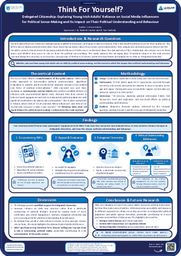
At the same time, preparations are well underway for the Laidlaw Conference! Alongside analysing my data, I've been gearing up to complete my research report and conference poster. It's exciting to see the different components of the project beginning to come together, from laboratory experiments and bioinformatics to scientific writing and visual communication.
With just one week remaining, I'm looking forward to bringing everything together and reflecting on how much I've learned throughout the project. While research often begins with asking questions in the laboratory, I've learned that its true impact depends on our ability to interpret the answers and communicate them to all audiences.