Research Project: From Pitching Ideas To Pursuing My Own

The past two weeks have been filled with a mix of excitement, self-doubt and curiosity as our project has continued to evolve from a collection of ideas into something I am genuinely passionate about. From pitching our concepts and meeting with experts to exploring new technologies and beginning the development of our simulation, it has been incredibly rewarding to see our research start to take shape.
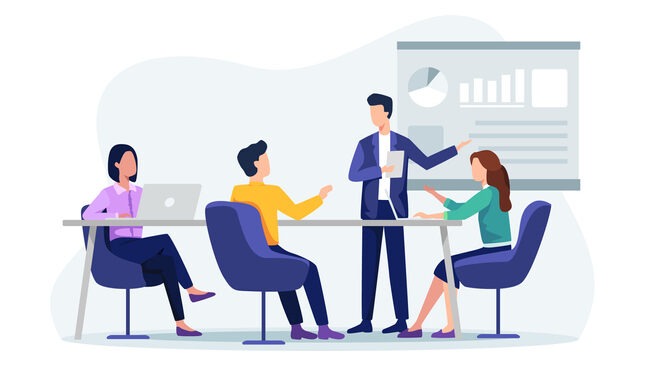
In Week 2, alongside our research we developed a presentation to share with key academics involved in the areas we hope to explore. This gave us the opportunity to explain why we believe our simulation is needed and outline our vision for its development. Preparing for these discussions challenged us to refine our ideas and think more critically about the direction of the project.
Week 3 then brought several valuable meetings that allowed us to present. These conversations helped challenge our assumptions, strengthen our rationale, and gave us greater confidence in the path we are taking. It was encouraging to see our ideas welcomed while also being pushed to view them from different perspectives.
A major highlight of the fortnight was our visit to the Helix facilities. Exploring such an impressive range of technologies, from VR equipment to 3D printers, was both inspiring and exciting. The visit sparked new ideas for potential project outputs and highlighted just how many possibilities exist when technology and education intersect.
We also began exploring the software that will be used to create our simulation. While we are still learning the platform's capabilities and limitations, it has been exciting to take the first steps towards transforming our concepts into something tangible.
Alongside the simulation development, I found myself becoming increasingly interested in the literature surrounding VR and learning. While the simulation remains at the heart of our project, I wanted to explore a slightly different avenue that would allow me to contribute my own ideas while providing a stronger evidence base for our work.
As a result, I proposed developing a scoping review entitled:
"What does the effectiveness of non-immersive VR in STEM experiential learning tell us about the mechanisms of human learning?"
Suggesting a new direction for my role felt quite daunting. Bringing forward an independent idea and asking to pursue it was well outside my comfort zone, particularly as I had limited experience conducting a scoping review.
Looking back, I am incredibly glad I took that step. The review has given me the opportunity to investigate the theories and evidence underpinning VR-based learning while still contributing to the wider aims of the project. So far, I have thoroughly enjoyed the process, and it has already helped me develop valuable skills in evidence synthesis, critical analysis, and academic research.
These past two weeks have reminded me sometimes the ideas that feel the most intimidating to share are the ones worth pursuing the most, and I am excited to see where both the project and my own research journey take me next.
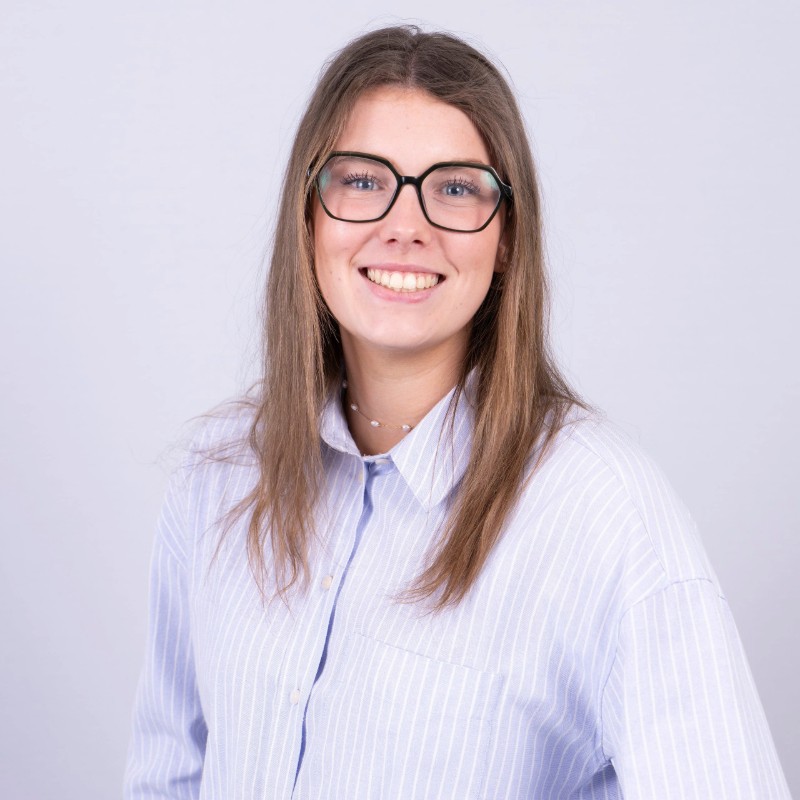
Hello I am Ella!
I am an undergraduate Biomedical Sciences student at the University of Leeds, driven by a curiosity to understand the biological processes that underpin health and disease. I am particularly passionate about exploring how scientific research can be translated into real-world medical advancements.
Alongside my studies, I dedicate time to an array of extracurricular activities that reflect my interests, including performing arts, hiking and acting as an avid member of my university hockey team.
My research project is entitled 'Active Learning Strategies for Biomedical Education: A Design Thinking Approach'. My findings will be used to critically evaluate the active learning strategies currently used in biomedical education.
As part of the Laidlaw network, I am excited to connect with like-minded individuals, broaden my perspective, and contribute positively through shared ideas and collaboration. So please don't hesitate to reach out as I am always happy to connect!