Project Outline: Children’s Rights and the Arms Industry: the Impact of Weapons in Conflict-Affected and High Risk Areas
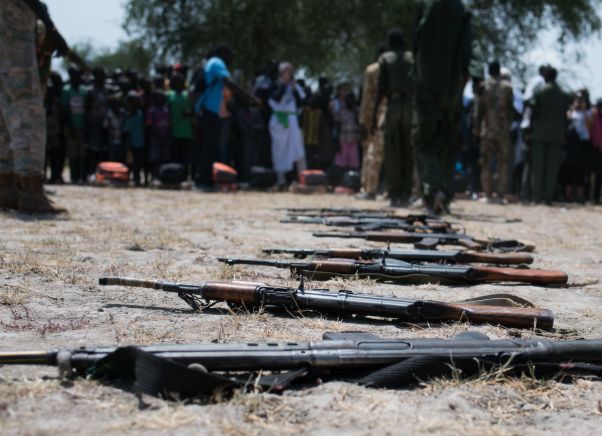
Children’s Rights and the Arms Industry: the Impact of Weapons in Conflict-Affected and High Risk Areas
Supervisor: Professor Tracey Holland, adjunct faculty member with the Institute for the Study of Human Rights at Columbia University
Project Background
The human rights framework places responsibility on sovereign states to respect, protect, and fulfil individuals' rights. As a result, states are typically positioned as the central enforcers, violators, and guarantors of human rights obligations. However, this state-centred approach can leave significant gaps in accountability for non-state actors, particularly major arms companies whose products are used in conflict settings. Focusing on the relationship between the global arms industry, the use of explosive weapons, and the resulting harm to children and civilians, this research project examines how non-state actors contribute to human rights violations while facing far less scrutiny than states themselves. A key challenge lies in tracing responsibility within the arms industry, where limited transparency, complex supply chains, and the difficulty of linking specific manufacturers to harm on the ground often obscure accountability.
Research Objectives
The broader aim of the research is to assess whether major arms companies are fulfilling their Human Rights Due Diligence (HRDD) obligations under frameworks such as the UN Guiding Principles on Business and Human Rights (UNGPs). In doing so, the research seeks to strengthen accountability for non-state actors within the human rights framework, while also providing actionable information for investors by evaluating the human rights risks associated with companies’ products and supply chains.
The research specifically aims to:
- Develop a ranking system assessing major arms companies according to human rights risk and HRDD performance.
- Identify trends in the supply and use of explosive weapons in conflict-affected areas.
- Trace links, where possible, between weapons manufacturers and documented incidents of civilian harm.
- Create visual representations and data analysis of companies’ human rights commitments and risk profiles.
Methodology
During the first summer, I will contribute to both the quantitative and qualitative aspects of the research by analysing arms transfer figures, supply patterns, verified civilian harm, and weapon-use data to identify trends, and then interpreting these findings to assess how, and to what extent, specific companies are linked to arms sales in conflict settings and what this suggests about their human rights due diligence practices.
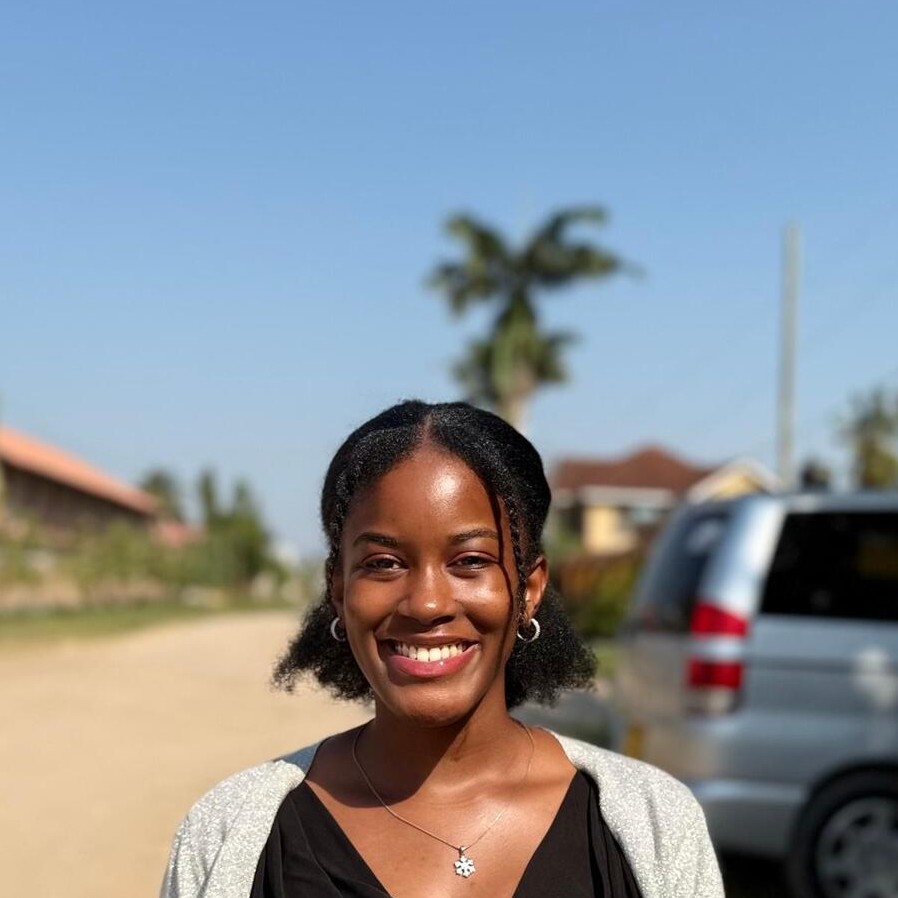
Hi there! My name is Lydia, and I'm an incoming sophomore at Columbia University studying Human Rights and Public Health. I'm originally from Tanzania. In my free time, I like reading, drawing, hanging out with my friends, and exploring new restaurants in New York City!



Please sign in
If you are a registered user on Laidlaw Scholars Network, please sign in