Navigating Uncertainty — LiA Prep

Going into my LiA, I hoped to work with an LGBTQ organization in South Asia. My first summer research focused on holistic healing modalities and alternative approaches to gender transition. My research proposal initially stemmed from my awareness of spiritual gender non-conforming groups in South Asia, notably Hijaras. While my research ended up focusing more on Traditional Chinese Medicine and Western herbalism, I was curious to return to my original interest and learn more about what queer health and healing looks like for groups in India. My fluency in Kannada and the added bonus of spending some time with my grandparents led me to focus on organizations in my parents’ hometown, Bengaluru.
However, confirming my LiA placement was more difficult than I had anticipated. On March 30th, India passed the Transgender Persons (Protection of Rights) Amendment Bill, removing the right to self-identify one’s legal gender and severely restricting access to medical transition. Many of the organizations I had been speaking with were impacted by this. The social and health services they offered to trans community members were threatened and many of their staff members shifted their work towards organizing in against this bill. The first organization I had agreed to work with stopped responding to my emails in April, and the second in late June. Finally, I solidified a volunteer project with a third organization, Sangama. Yet, this organization has also experienced massive changes, with their staff downsizing from 150 members in 9 districts across the state of Karnataka to just 9 staff members across two offices in Bengaluru.
Though this uncertainty was daunting, this process of searching for an organization was eye opening in itself. The queer landscape in Bengaluru is relatively well connected, and many of the supervisors I spoke with at the different organizations had worked with each other in the past and could contextualize their group in comparison to others. I learned about the relationships between the various organizations I was speaking with, the different kinds of leadership structures at each organization, and most importantly, the differing values these organizations have around intersectionality and coalition building — particularly in terms of linguistic access, class, caste, and religion.
I’m looking forward to seeing how these values manifest in the day to day operations of Sangama. Given the added stress for the reduced staff at Sangama, I especially hope that sending my LiA with them will offer some tangible benefits and help ensure that they can continue offering vital services and support to gender and sexual minorities in Bengaluru and across Karnataka.
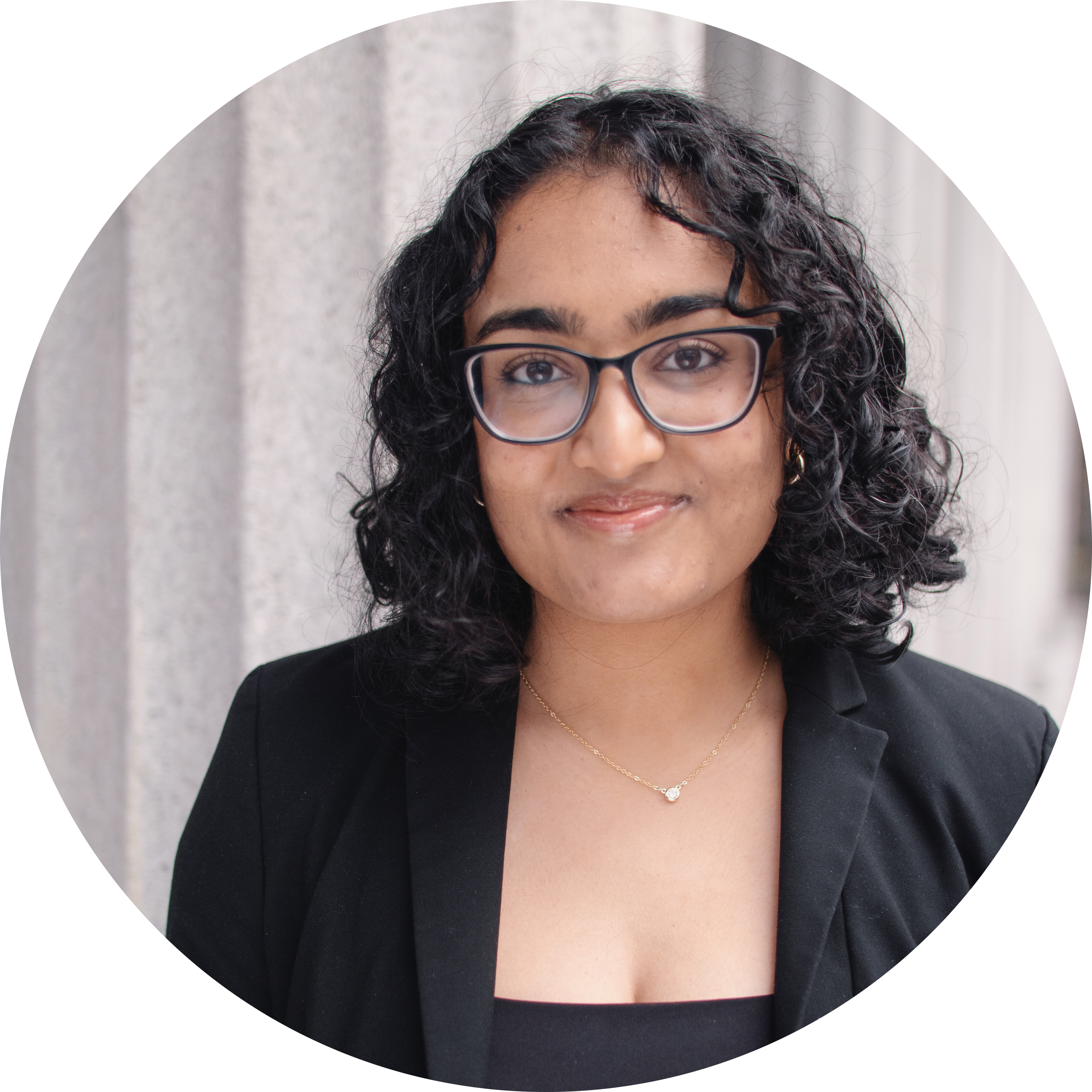
Hi! My name is Anagha (pronounced uh-nuh-guh) and I am an undergraduate at Barnard College in the Class of 2027. I am majoring in Sociology as a pre-medical student; I hope to pursue an MD-PhD in Medical Anthropology.
My research this summer connects my academic interests in medical sociology and queer studies. Through exploring diverse forms of gender affirming care, I hope to understand how medical and spiritual healers help individuals transition.
In my free time, I love junk journaling, singing in Barnard's a capella group, and trying new vegetarian recipes. I'd love to chat about anything from your latest cooking attempts to your favorite (or least favorite) sociological theories - please feel free to reach out and say hi! :)
![A Patient-Led Approach to Disclosure of Alzheimer's Disease and Dementia with Lewy Bodies Co-Pathology [LiA Report]](https://images.zapnito.com/cdn-cgi/image/metadata=copyright,fit=scale-down,format=auto,quality=95,width=256,height=256/https://images.zapnito.com/users/867772/documents/325862/13cc3d2c-1378-468e-901a-36a30a9bf7b4-med.jpg)