My father's story, and other migrants' too.
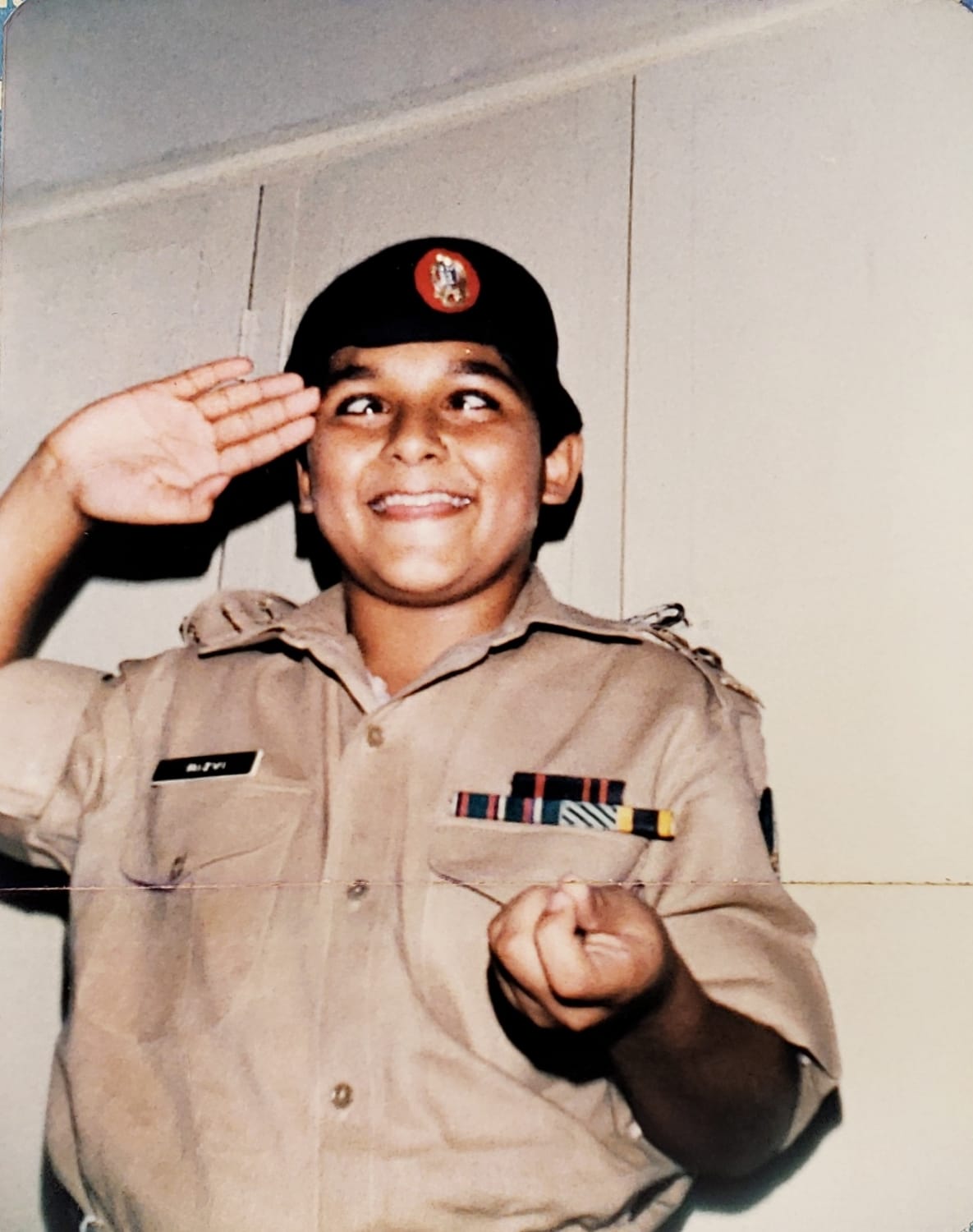
On Father’s Day, my father and I took a trip to our local bookstore, Symposia. I asked him if we could go to the bookstore because I wanted to spend more time with him, but also because I had completely forgotten to buy him a gift. To be fair, he is impossible to buy gifts for – my father does not like being given things. He came to the United States from Pakistan at 17 years old with a handful of dollar bills and the weight of the world on his shoulders. He had 3 years' worth of scholarship and a dream; a dream that he could turn those 3 years into a better life in America. When he left Pakistan, he left his brother and mother still grieving the loss of their father, who had died because they could not afford adequate healthcare. For my father, immigrating to the United States was his opportunity to never feel so helpless again.
With several hiccups along the way, my father is now a U.S. citizen with four American sons of his own. And still today, despite rising right-wing populism and xenophobia in our country, my dad believes in the ideal of America. “They meant to set up a standard maxim for free society which should be familiar to all,” he says to me, quoting Abraham Lincoln, “constantly looked to, constantly labored for, and even, though never perfectly attained, constantly approximated, and thereby constantly spreading and deepening its influence and augmenting the happiness and value of life to all people, of all colors, every where”. When he recites these speeches from great American leaders with such conviction, I get chills. My research requires that I read hundreds of articles every day about immigration to our country. Just yesterday, I read this headline from Infowars: “Muslim Refugees Causing Rape Epidemic in the U.S.” I end most of my days demoralized, still processing the hateful nature of modern media. Moreover, I end my days with less belief in the American Dream that my father so vehemently defends.
I am beginning to see how popular media outlets have stolen agency from migrants. On one end of the spectrum, migrants are villainized and framed as illiberal, immoral outsiders. On the other end, migrants are turned into objects of pity, at the whims of Western governments. In reality, these ‘migrants’ are people. They are artists, engineers, doctors, and individuals with their own thoughts and dreams. Yet, we sensationalize them into headlines or reduce them to labels like migrants or refugees. By all this I mean to say, I am learning how important it is in the media, and life generally, to have empathy. When we treat people with empathy, we preserve our humanity. Likewise, when we forget empathy, we lose our humanity. My father is a migrant, but he is also a human.
At the bookstore, I bought him Embracing the Infidel: Stories of Muslim Migrants on the Journey West by Behzad Yaghmaian. For my father, reading these stories offered him an opportunity to reflect on how far he has come as a Muslim immigrant in the West. For me, reading these stories has served as an invaluable reminder of the people that exist behind the headlines and who the work I am doing intends to serve. Now, when I select articles to analyze for my research, I no longer focus solely on the polarizing and tragic headlines. Instead, just as important, I look for articles on individual migrants. Amidst a flurry of invigorated articles in October of 2025, when President Trump set the lowest refugee cap in U.S. history at 7,500 for FY2026, Nicholas Kristof published an article titled, “One Girl’s Journey After Her Grandmother Said to Kill Her.” The article spotlights Chantale Zuzi, an albino refugee activist from the Democratic Republic of the Congo who started a nonprofit organization to uplift and educate refugee girls.
There is humanity out there, even in the darkest of times; we just need to look a little deeper and listen to each other a little more. It might even exist simply on a trip to the bookstore.
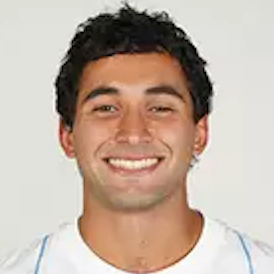
I'm Ryan, a 2026 Laidlaw scholar at Tufts University. I was born in New York City, but my father is from Karachi, Pakistan and my Mum is from Brisbane, Australia. Now my parents' immigrant dreams live on in my 3 brothers and I as we move across the country and pursue our unique interests. I believe it is precisely this complex history of migration in my family that has inspired my passion for migration studies.