LiA Week 3: Las Sabinas
The third week began with a setback. On Sunday night I became very sick, which meant I had to request time off on Monday and Tuesday. During that period, I visited Farmacias de Ahorro in Mexico City (CDMX). What stood out to me was how accessible healthcare can be within the city. I only had to pay 5 Mexican pesos to register, and then a doctor provided a consultation. She asked preliminary questions, took me to a back room, and examined me. The conclusion was that I wasn’t used to the local diet and that some of the heavier condiments in the food likely affected my body. I’m not sure how accurate the diagnosis was, but I was genuinely relieved by how quickly I was evaluated. The waiting time was very short. At the same time, I left with a lingering thought: around the peripheries of the State of Mexico, access to healthcare might not be as straightforward.
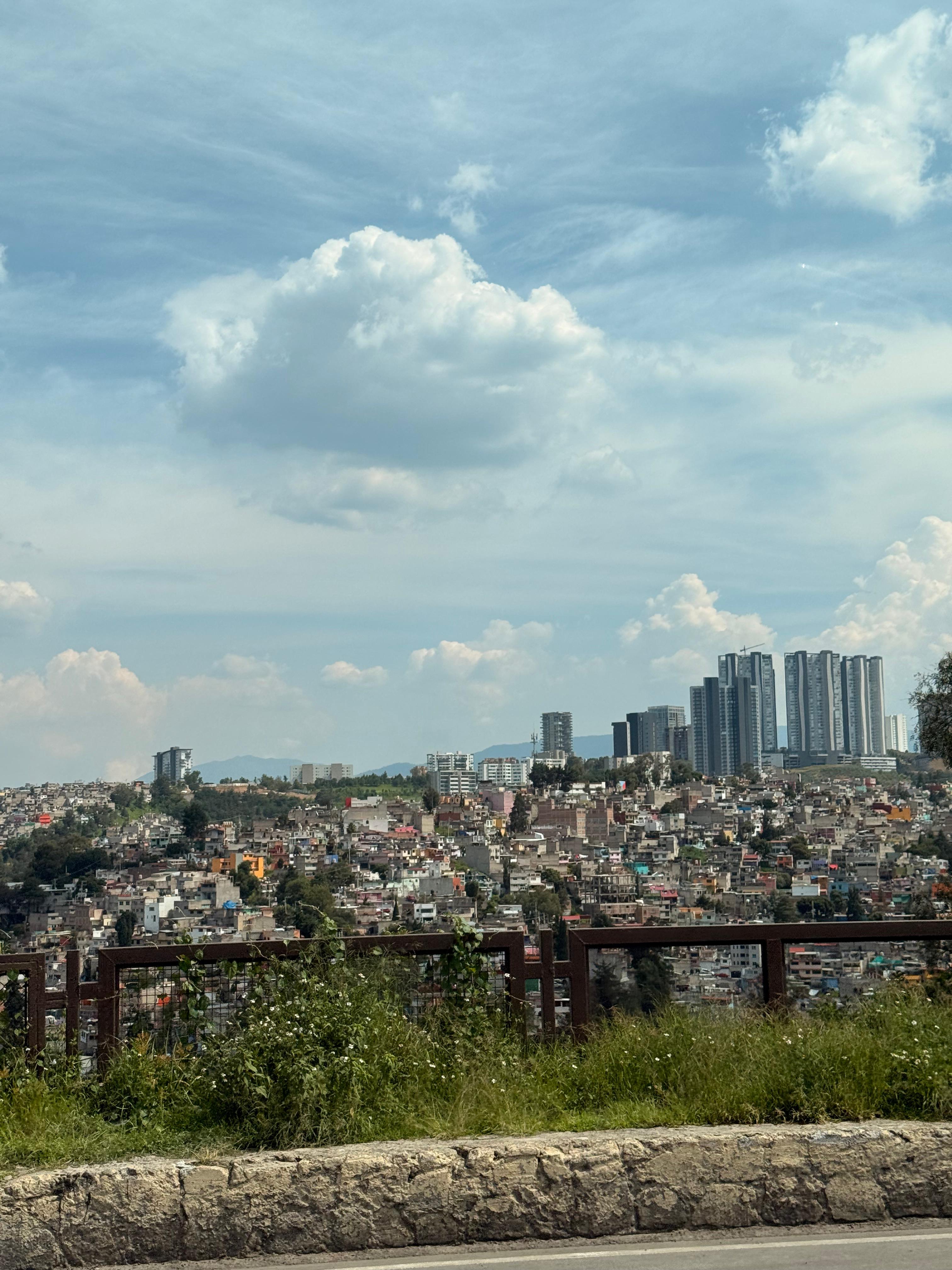
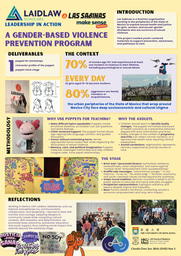
On Thursday, we began building our puppets for our Las Sabinas project. The puppets are meant to support conversations with children about preventing gender-based violence in the communities around the peripheries of the State of Mexico. Pam, our organizer, had already gathered all the materials, so we could double-check everything before starting. Honestly, the crafting process was more stressful than I expected as I’m not naturally skilled at hands-on projects. But watching the pieces come together made it feel meaningful, and I could see how the work we do now will become a tool for communication later. We also held our second meeting with the volunteers, and that made a difference. Their local knowledge helped us refine our plan, and we were able to delegate tasks more effectively after hearing their ideas and advice about our progress.

Hii, I'm Claudia, a student at HKU.