My research in Hong Kong was analysing 2021 life‑expectancy and mortality data across the city’s 18 districts revealed stark, place‑based inequalities. There was a 2.67‑year male LEB gap, a 1.6‑year female gap, and ASMRs that varied dramatically between districts such as Yau Tsim Mong and Sham Shui Po. Working through those patterns taught me to look beyond simple socioeconomic explanations and to pay attention to migration, demographic structure, and environmental exposures like air pollution. I felt the responsibility of translating technical findings into recommendations that could actually help people, and that responsibility shaped how I wrote, presented, and defended the work.
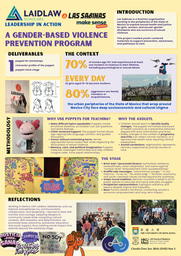
At Las Sabinas I moved from analysis to practice. Building puppets and designing puppet stages for workshops, which made the abstract consequences of inequality feel immediate and human. The LiA demanded different kinds of leadership: practical planning, hands‑on coordination, and the emotional labour of listening to partners and understanding the local context. I remember long days in the workshop, the relief when a puppet finally worked, and the quiet satisfaction of seeing staff plan to use our materials in therapy. That experience grounded my research instincts in community realities and reminded me that evidence must be paired with humility and sustained partnership.
Reflecting through the 3C Framework helped me name what I learned and what I still need to develop. In terms of capacities, I strengthened research and process skills, small‑area analysis, age standardisation, and careful interpretation of rates, while also improving people skills: facilitation, culturally sensitive communication, and project management during the LiA. These capacities let me move between data and practice with more confidence.
The programme also sharpened my change‑maker values. Curiosity drove me to probe unexpected district patterns rather than accept tidy explanations; determination kept me returning to messy datasets and late craft sessions; and a commitment to doing good guided choices about which recommendations to prioritise. Those values kept the work honest and purposeful when shortcuts would have been easier.
On character, I learned that humility and accountability are not optional. Humility meant listening to Las Sabinas staff about what would actually work in their context and revising my assumptions about impact timelines. Accountability meant being explicit about the limits of my Hong Kong analysis, sample size, potential measurement error, and the danger of overclaiming causality, and ensuring that any suggested interventions were proportionate to the evidence. Courage showed up in small ways: presenting uncomfortable findings, admitting uncertainty, and leading a team through a stressful production week without losing sight of wellbeing.
These experiences reshaped my sense of global citizenship. Going forward I want to pair quantitative work with resident voices, mixed‑methods projects that inform district‑level policies while centring those most affected.
Finally, the programme taught me that ethical leadership is ordinary as much as it is dramatic. It is choosing transparency over spin, patience over haste, and partnership over authorship. I will carry those lessons into future research and community work, trying always to align my capacities, values, and character so that my scholarship contributes to fairer, more humane outcomes.
Hii, I'm Claudia, a student at HKU.