The last two years have reshaped me in ways I could not have predicted. I first heard about the Laidlaw Scholarship from my program director because an upperclassmate of mine had taken part of Laidlaw before, and he shared amazing stories about his journey. I feel extremely lucky to be part of this amazing community working to create change.
What began as a curiosity for research turned into a sustained process of learning, failing, listening, and growing. I moved from spreadsheets and mortality tables to puppet workshops and community rooms; from late nights analyzing data to long afternoons sanding foam and sewing felt. Each stage tested my patience, my technical skill and my empathy.
My Hong Kong research taught me the discipline of careful inference. Confronting stark life‑expectancy gaps and uneven mortality rates forced me to slow down and always check assumptions. There were moments of frustration dealing with messy datasets and unexpected patterns, but those moments taught me humility. Translating technical findings into policy‑relevant messages became an ethical act.
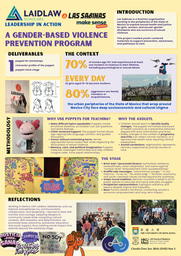
The Leadership in Action placement with Las Sabinas brought those lessons into a different register. Working with local staff and volunteers, building puppets by hand made the consequences of inequality immediate and human. I remember the exhaustion of long production days and the relief when a puppet finally moved the way we intended. I remember the warmth of shared lunches, the nervousness before a first session, and the quiet pride when staff told us they would use our materials in therapy the following week. That hands‑on work taught me practical leadership: how to plan under constraints, how to protect team wellbeing, and how to centre community voices in design decisions. I cried a little saying our goodbyes at the Las Sabinas workplace.
Reflecting through the 3C Framework helped me name the change. My capacities grew in research methods and project management, and also in culturally sensitive communication, and translating evidence for non‑technical audiences. Most importantly, my character was tested and strengthened.
Global citizenship stopped being an abstract ideal and became a daily practice. The Hong Kong study and the Las Sabinas project are different in method but aligned in purpose: both demand that evidence and action be rooted in respect for people’s lived experience. That shift changed how I imagine impact. I have learned to measure impact by whether a community can use what we leave behind.
If I try to sum up what this journey gave me, it is a deeper sense of purpose and a clearer map for how to act on it. I leave the Laidlaw programme more technically capable, more ethically attuned, and more committed to partnership than when I began. I carry with me the memory of data that demanded humility, of puppets that demanded patience, and of people who taught me that leadership is most powerful when it is shared. The transformation was not sudden; it was cumulative, made of small, often uncomfortable steps.
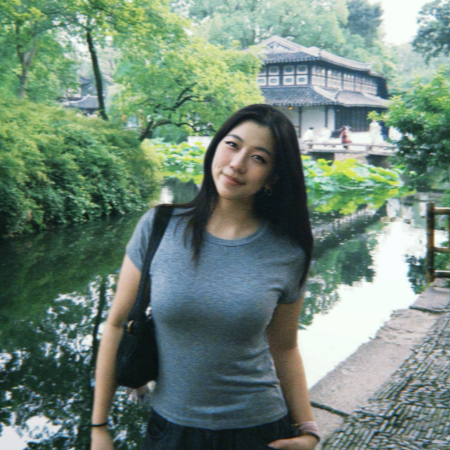
Hii, I'm Claudia, a student at HKU.