During my fourth week, I became increasingly involved in the Free Shop as demand continued to increase. The arrival of several boats meant that the organisation was experiencing particularly high demand, and much of my time was spent helping to ensure that people could access the clothing and other essential items they needed.
My SMART goal for this stage was to contribute effectively to Offene Arme's immediate response to increased demand while developing a better understanding of the different needs of people using the organisation. I aimed to contribute regularly to Free Shop operations, assist with preparing support packs and work collaboratively with the existing team throughout the week.
I also helped prepare and deliver packs to the camp for unaccompanied minors and newborn babies. These experiences made the human consequences of the wider migration situation much more tangible. Rather than thinking about asylum seekers as an abstract group, I was increasingly confronted with the individual circumstances and different needs of the people Offene Arme supported.
This reinforced the importance of compassion and dignity. Providing practical assistance can easily become transactional if the person receiving it is viewed only in terms of their material needs. I became more conscious that the way support is provided matters as much as the support itself. People should be treated with dignity and respect rather than as passive recipients of charity.
I also learnt about the importance of service as a form of leadership. Some of the most valuable contributions I made during the placement involved relatively ordinary tasks: sorting clothing, preparing packs, carrying supplies and helping people find what they needed. These tasks were not necessarily prestigious, but they were essential. This challenged my previous assumptions that leadership had to involve being responsible for a major project or making significant decisions. Sometimes leadership means recognising what needs to be done and being willing to do it.
The experience also developed my resilience. The increased workload and emotionally challenging context could be demanding, but the team continued to work constructively and support one another. I learnt the value of maintaining a positive and reliable approach even when circumstances are unpredictable.
At the same time, I became more aware of the limitations of short-term humanitarian assistance. Clothing and essential supplies can address immediate needs, but they cannot resolve the uncertainty surrounding a person's future. This prompted me to think more deeply about how my project could contribute beyond the immediate circumstances of people living on Chios.
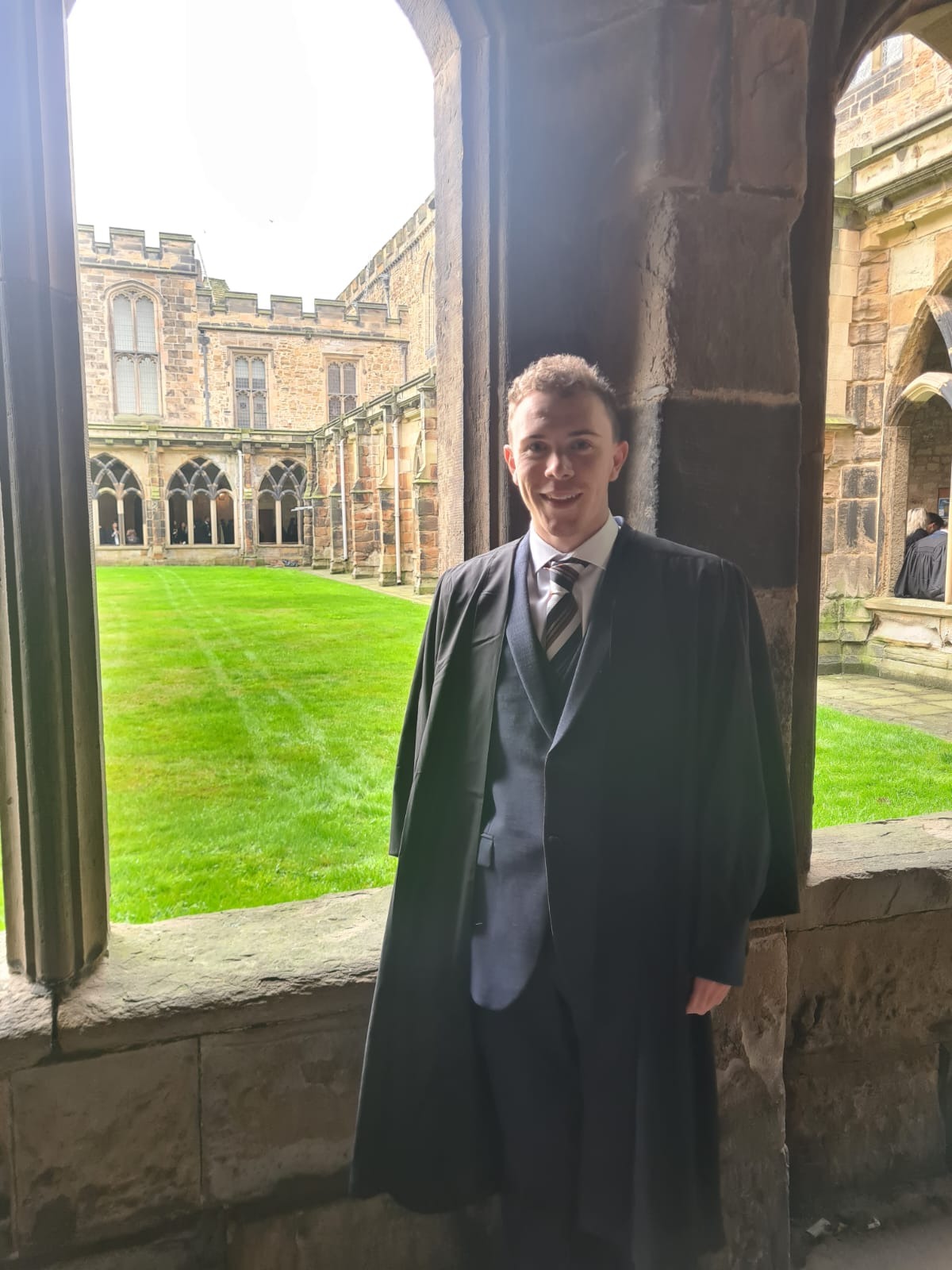
I'm Devon, a first year bioscience undergraduate at Durham University. My main interests are in global health and immunology. When not studying I can be found hiking, climbing, white water kayaking, and mountain biking.