During the third week, I continued reorganising the warehouse and developing the stock list, while increasingly becoming involved in the Free Shop. The distinction between the two activities highlighted an important aspect of working within a humanitarian organisation: long-term organisational improvements must coexist with immediate responses to changing needs.
My SMART goal for this week was to make the warehouse and stock system sufficiently functional to support Offene Arme during periods of increased demand, while remaining flexible enough to respond to immediate needs. I aimed to ensure that key categories of clothing and supplies could be located efficiently and that the organisation had a clearer understanding of its available resources by the end of the week.
However, several boats arrived during this period and demand for the Free Shop increased considerably. This meant that much of my time was increasingly directed towards responding to immediate needs. I helped organise and distribute clothing and other supplies while continuing to contribute to the work of improving the warehouse.
This experience challenged my initial understanding of what it meant to have a successful project. I had initially thought about my LiA project primarily in terms of completing a defined set of objectives. However, working with Offene Arme demonstrated that flexibility was essential. The circumstances facing the organisation could change significantly from one week to the next, and it would have been inappropriate to continue rigidly with my original plans if doing so meant neglecting more urgent needs.
This developed my capacity for adaptability, teamwork and judgement. I had to balance the longer-term work I had planned with the immediate requirements of the organisation. The Oxford Character Project's emphasis on practical wisdom was particularly relevant here. There was not always a single obvious answer about what I should prioritise. I needed to consider the needs of the organisation, the people it supported, the time available and the potential longer-term value of my work.
The experience also taught me something important about SMART goals. I had initially understood them primarily as a way of ensuring that objectives were specific and measurable. I increasingly realised that effective goals also need to be interpreted within their context. The purpose of my goal was to improve Offene Arme's capacity, not to complete a stock list at the expense of responding to people who needed support immediately.
The increased demand also strengthened my understanding of compassion as an active virtue. Compassion was not simply about feeling sympathy for people arriving on the island. It involved responding to their circumstances in a practical way, whether that meant helping someone find appropriate clothing or ensuring that supplies were available when they were needed.
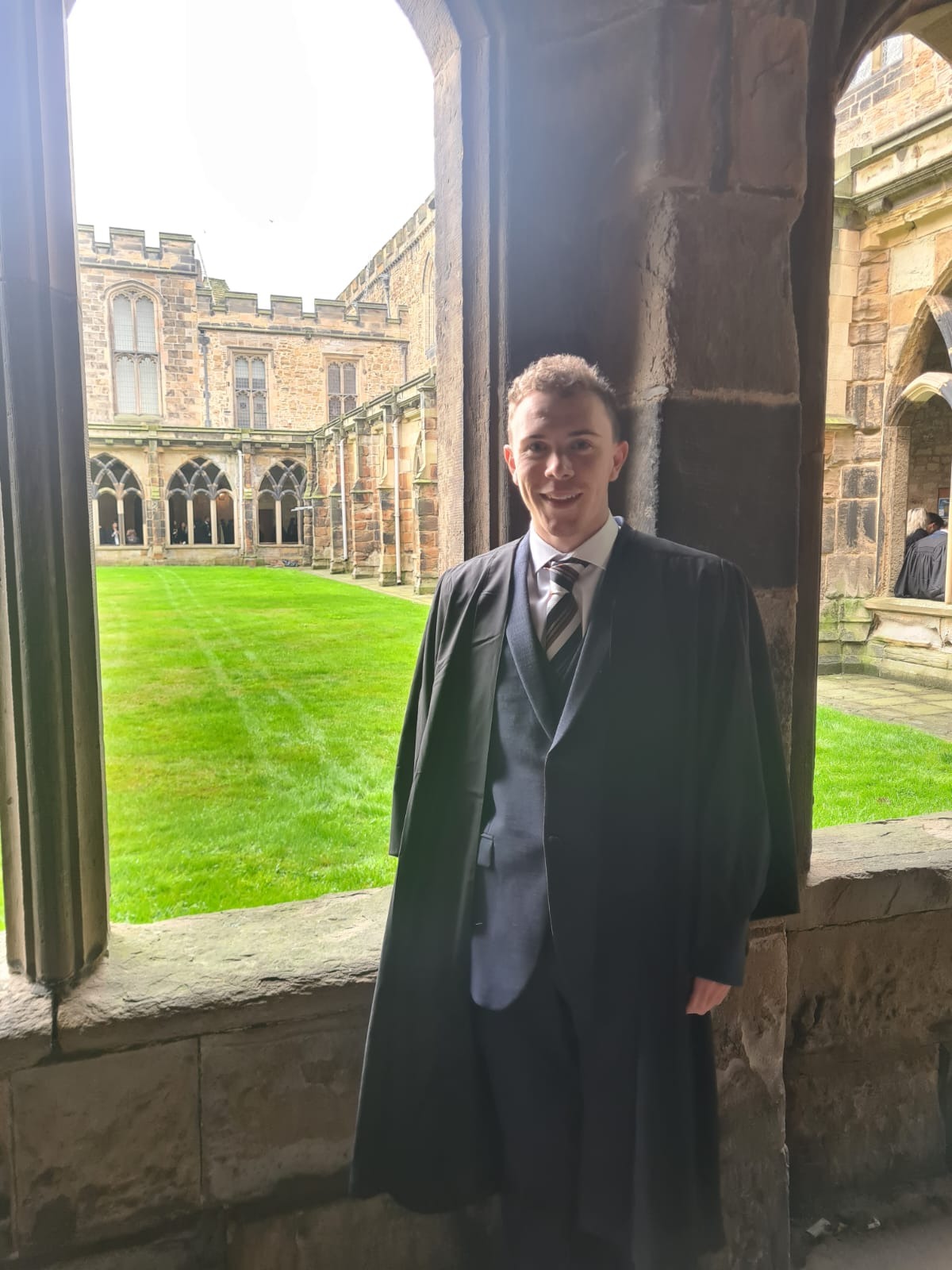
I'm Devon, a first year bioscience undergraduate at Durham University. My main interests are in global health and immunology. When not studying I can be found hiking, climbing, white water kayaking, and mountain biking.