During my second week, I began working more directly on improving the organisation of the Offene Arme warehouse. I spent considerable time sorting and reorganising the warehouse and began developing a stock list. This was an area where I felt I could make a practical contribution because the organisation did not previously have a comprehensive system for recording what supplies were available.
My SMART goal was to improve the accessibility and organisation of the warehouse by creating clearly identifiable categories and developing a simple stock-inventory system that could be maintained by future volunteers. I wanted to make the system sufficiently detailed to be useful but sufficiently straightforward that it would remain practical within a volunteer-led organisation. I aimed to make substantial progress on this during Weeks 2 and 3.
At first, the task appeared relatively simple. However, as I worked through the warehouse, I realised how important effective organisation is for an organisation responding to unpredictable demand. Supplies need to be found quickly, shortages need to be identified, and the organisation needs to know what it can provide when demand suddenly increases. A more systematic stock system could therefore help Offene Arme prepare for particularly busy periods and reduce the amount of time volunteers spend searching for items.
This experience developed my capacity for initiative and problem-solving. Rather than simply completing tasks that were given to me, I was able to identify a practical organisational weakness and work towards addressing it. At the same time, I learnt that leadership does not necessarily involve large or highly visible changes. Small improvements to systems can have significant effects when they make an organisation more efficient.
The work also connected strongly with the Oxford Character Project's emphasis on practical wisdom. I had to consider what kind of system would actually be useful to Offene Arme rather than designing something unnecessarily complicated. A theoretically sophisticated inventory system would have been of little value if it was difficult for volunteers to maintain. The best solution therefore needed to be simple, accessible and appropriate to the organisation's circumstances.
I also developed a greater appreciation for stewardship. The items in the warehouse had been donated to support people in need, and organising them effectively was therefore a way of respecting both the resources themselves and the generosity of those who had provided them.
By the end of the week, I had begun to understand that my contribution did not have to be dramatic to be meaningful. Creating a system that could continue to be used after my departure potentially offered a more sustainable contribution than simply completing individual tasks during my placement.
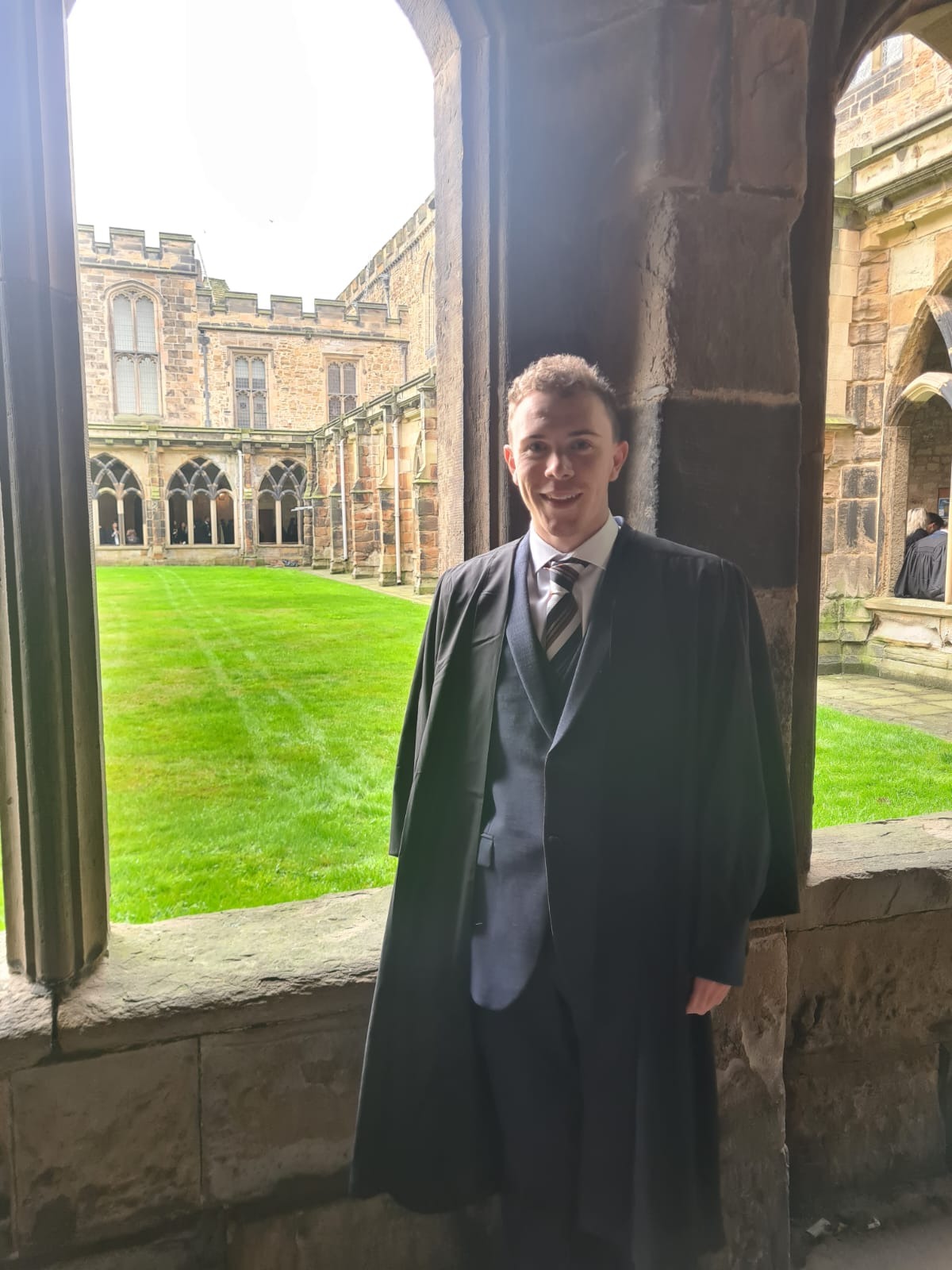
I'm Devon, a first year bioscience undergraduate at Durham University. My main interests are in global health and immunology. When not studying I can be found hiking, climbing, white water kayaking, and mountain biking.